




Online Chess Classes for Homeschoolers
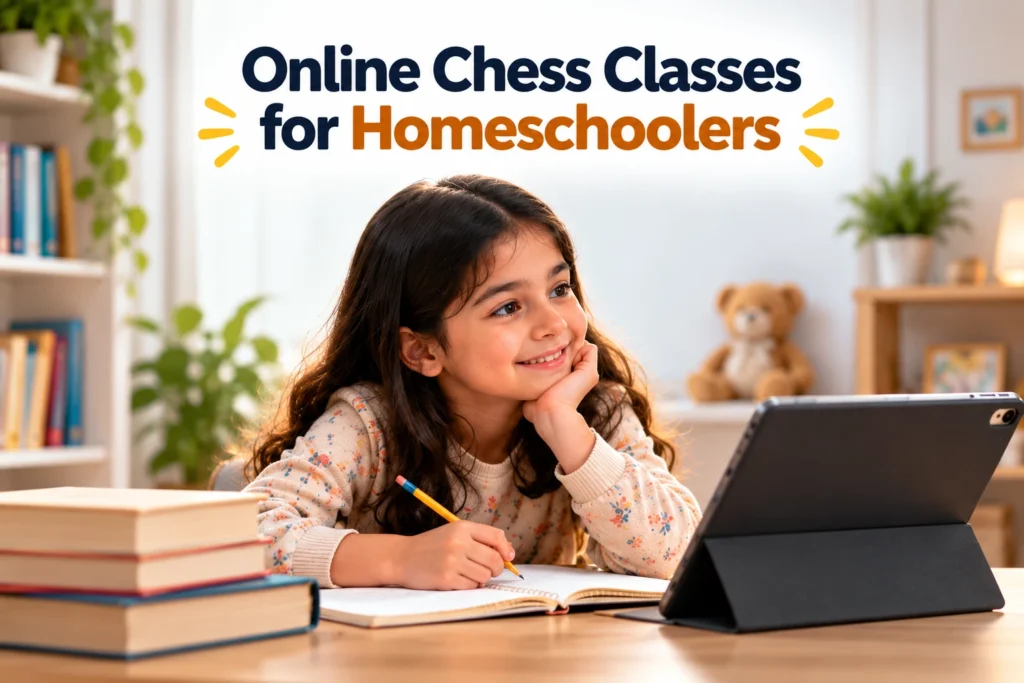
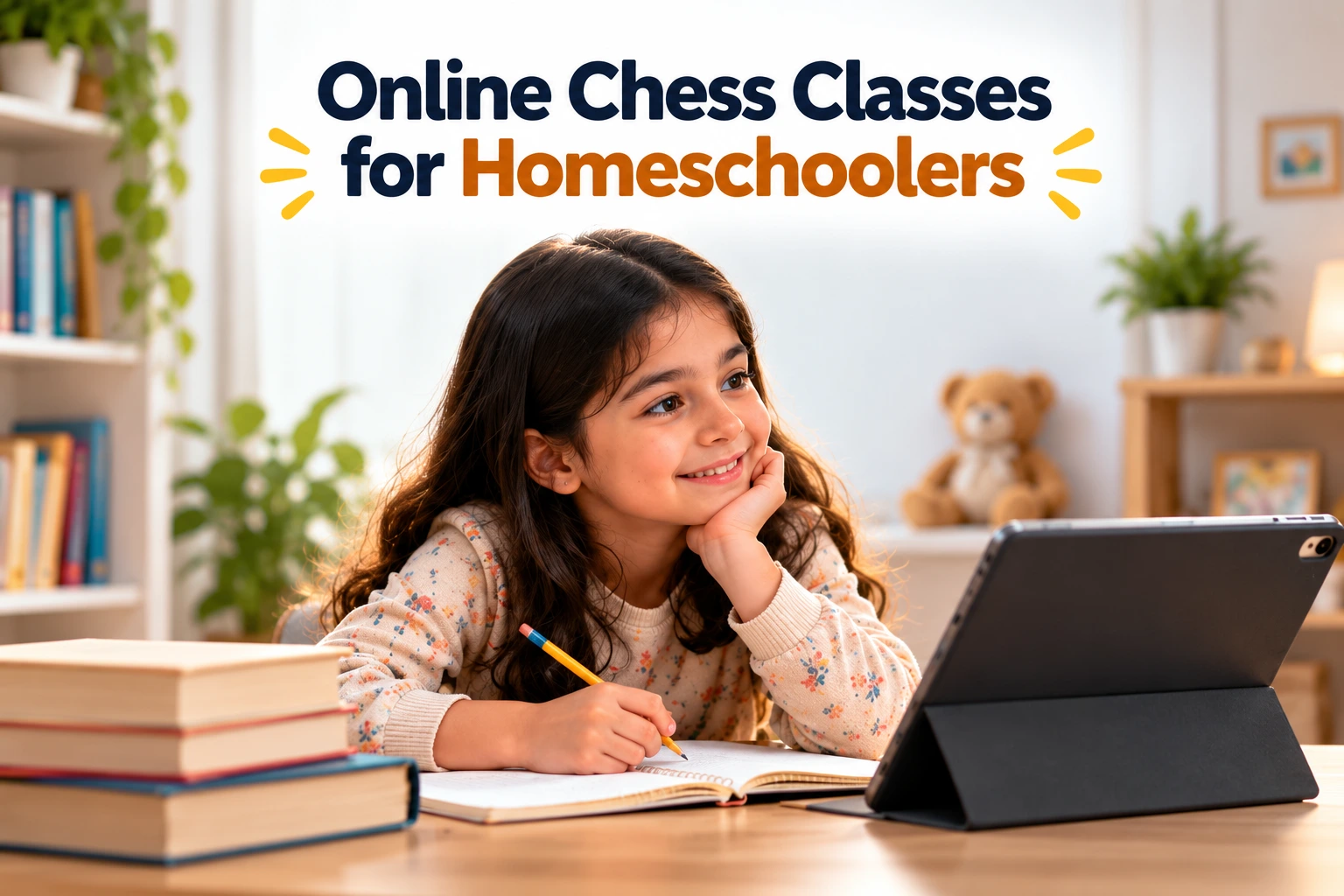
Homeschooling gives families the flexibility to create a learning routine that reflects their child's interests, pace and educational goals. Alongside core subjects, parents can introduce activities that encourage children to think independently, solve problems and explore new skills. Online Chess Classes for Homeschoolers can be a practical way to add structured chess learning to a homeschool routine without making every activity depend on a physical classroom.
Whether your child is learning the rules for the first time or already enjoys playing chess, online coaching can provide guided instruction and opportunities to practise. With a suitable schedule, chess can become an enjoyable enrichment activity that complements your existing homeschool plan.
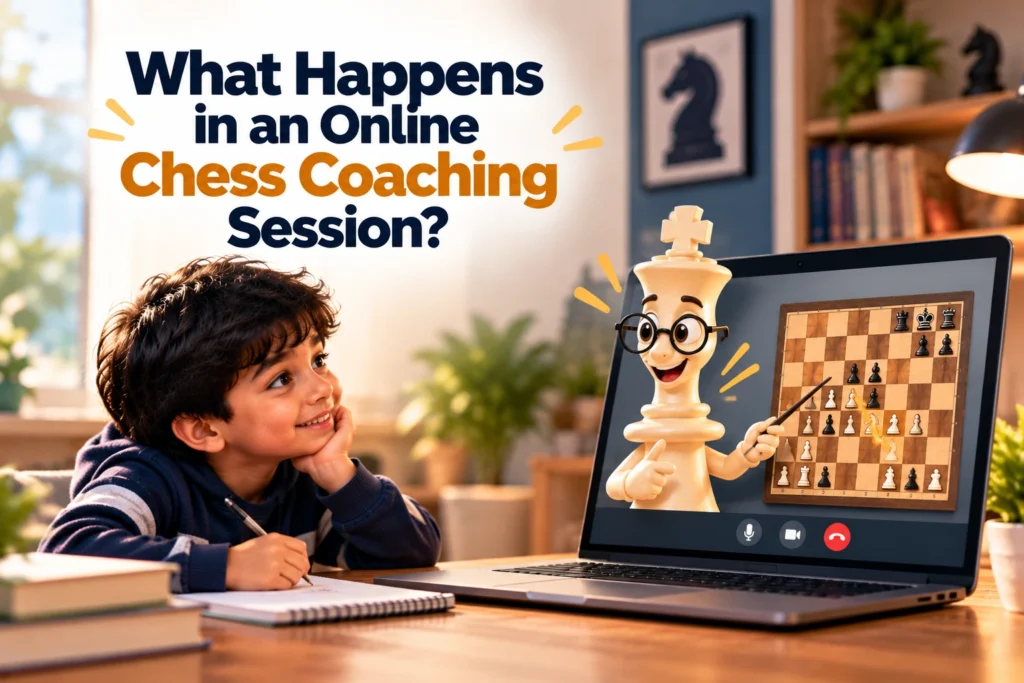
Online Chess Classes for Homeschoolers combine remote chess instruction with the flexibility many homeschooling families need. Parents can arrange lessons around core subjects, independent study and family activities. A structured programme may include chess fundamentals, tactical puzzles, guided games and feedback, depending on the academy's curriculum. Short practice sessions between lessons can help children revisit what they have learned.
What this guide covers
- Why chess can be a useful homeschool enrichment activity
- How online coaching can fit into a flexible learning routine
- What children can learn through structured chess lessons
- An example weekly homeschool chess schedule
- How to choose an appropriate online chess programme
- Ways to track progress without creating unnecessary pressure
Why Add Chess to Your Homeschool Curriculum?
Homeschooling allows parents to make thoughtful choices about how their children spend their learning time. Chess can be one of those choices: a game that combines rules, patterns, planning and decision-making in a hands-on activity.
Every chess position presents a question. What is happening on the board? Which moves are possible? What might happen next? Children gradually learn to consider options before choosing a move, then review the result. These habits are valuable parts of learning the game itself.
Chess does not need to replace mathematics, reading or other core subjects. Instead, it can serve as a separate enrichment activity that adds variety to a child's week.
Logical Thinking
Children practise identifying possible moves, comparing options and considering consequences before acting.
Focused Practice
Chess puzzles and games give learners a specific problem to work through, helping them practise attention during the activity.
Independent Decisions
Players must choose their own moves. Reviewing those choices can help children understand their reasoning and identify alternatives.
Learning Through Mistakes
A lost piece or missed opportunity can become a useful lesson when children examine what happened and try a different approach.
These are opportunities to practise useful thinking habits, not guarantees of higher grades or improved performance in every academic subject. The strongest reason to include chess is that your child finds it engaging and benefits from learning the game.
For more ideas, explore our guide to the benefits of chess for kids.
How Online Chess Classes Fit into Homeschooling
A homeschool schedule may include lessons at home, independent projects, reading, outdoor activities and family commitments. Online chess coaching gives families another learning option without adding travel to a physical academy.
The key is to make chess a manageable part of the routine rather than an extra obligation that competes with every other activity.
1. Schedule Lessons Around Core Subjects
Parents can discuss suitable class timings with an academy and choose a slot that works with their homeschool timetable. Some families may prefer chess after core subjects; others may find a different time more practical.
Do not assume that every academy offers every time slot. Confirm available schedules, class duration and time-zone arrangements before enrolling.
2. Combine Guided Lessons with Independent Practice
A coach can introduce a concept and help the child understand it. Short practice sessions on other days provide opportunities to revisit the idea independently.
For example, after learning how a knight moves, a child could solve a few knight-movement puzzles or set up positions on a physical chessboard. The practice should match the child's age, experience and attention span.
3. Make Use of Learning at Home
Children can use a physical chessboard, a notebook or a suitable digital chessboard to explore positions outside class. Parents do not need to be chess experts to encourage this practice. Asking a child to demonstrate a new rule can be a simple way to revisit the lesson.
4. Keep the Routine Flexible
One benefit of homeschooling is the ability to adjust a routine when necessary. If a child has a demanding academic week, a shorter practice session may be more realistic than a long game. During a lighter week, there may be more room for puzzles or reviewing a completed game.
Planning tip: Start with a realistic amount of chess time and review how it fits into your family's week. A consistent, enjoyable routine is usually more sustainable than a demanding schedule that leaves your child tired.
What Do Children Learn in Online Chess Education?
Quality online chess education for children should provide a clear path from basic rules to more advanced ideas as the student develops. The exact curriculum varies between academies, so ask how lessons are organised and how the coach decides when a child is ready for the next topic.
Chess Fundamentals
Beginners learn the names of the pieces, how they move, how to set up the board and the basic rules of the game.
Board Awareness
Children practise recognising attacked pieces, protecting valuable pieces and understanding threats to their king.
Tactical Patterns
As their skills develop, students can learn ideas such as forks, pins, discovered attacks and basic checkmate patterns.
Game Review
Reviewing selected positions helps students identify mistakes, recognise good decisions and consider alternative moves.
A beginner does not need to master every topic at once. The coach should explain concepts at an appropriate level and provide practice that helps the student apply each idea.
A Sample Weekly Homeschool Chess Schedule
The example below shows how a family might distribute chess activities across a homeschool week. It is a suggested template, not a prescribed timetable or a claim about Brainiac Chess Academy's lesson schedule. Adjust the duration to your child's age, interests and other commitments.
| Day | Chess Activity | Suggested Time | Learning Focus |
|---|---|---|---|
| Monday | Review a chess concept | 10–15 minutes | Recall rules and familiar positions |
| Tuesday | Solve beginner puzzles | 10–15 minutes | Recognise patterns and threats |
| Wednesday | Online coaching, if scheduled | According to the class | Learn and practise a new concept |
| Thursday | Play a practice game | 15–20 minutes | Apply ideas in a real position |
| Friday | Review one interesting position | 10 minutes | Reflect on decisions and mistakes |
These short sessions can be moved around your family's schedule. If your child is new to chess, even fewer activities may be enough to begin. If your child is enthusiastic and experienced, you can discuss a more detailed study plan with their coach.
Chess Enrichment Activities You Can Try at Home
Chess enrichment activities help children revisit what they learn without making every practice session feel like formal schoolwork. Many activities require only a chessboard, a few pieces or a simple digital board.
Find the Attacked Piece
Set up a simple position and ask your child which pieces are under attack. Encourage them to explain or demonstrate their answer.
Solve One Chess Puzzle
Choose a puzzle suited to your child's current level. Ask them to consider the position before moving a piece.
Keep a Chess Journal
Invite your child to draw a favourite position, write down a new rule or record one thing they learned that week.
Teach a Family Member
Let your child demonstrate how a piece moves or explain a familiar rule. Teaching a concept can be a useful way to review it.
You can alternate these activities to keep practice varied. Let your child help choose which puzzle or game to explore, and remember that the purpose is learning and enjoyment—not completing a fixed number of tasks.
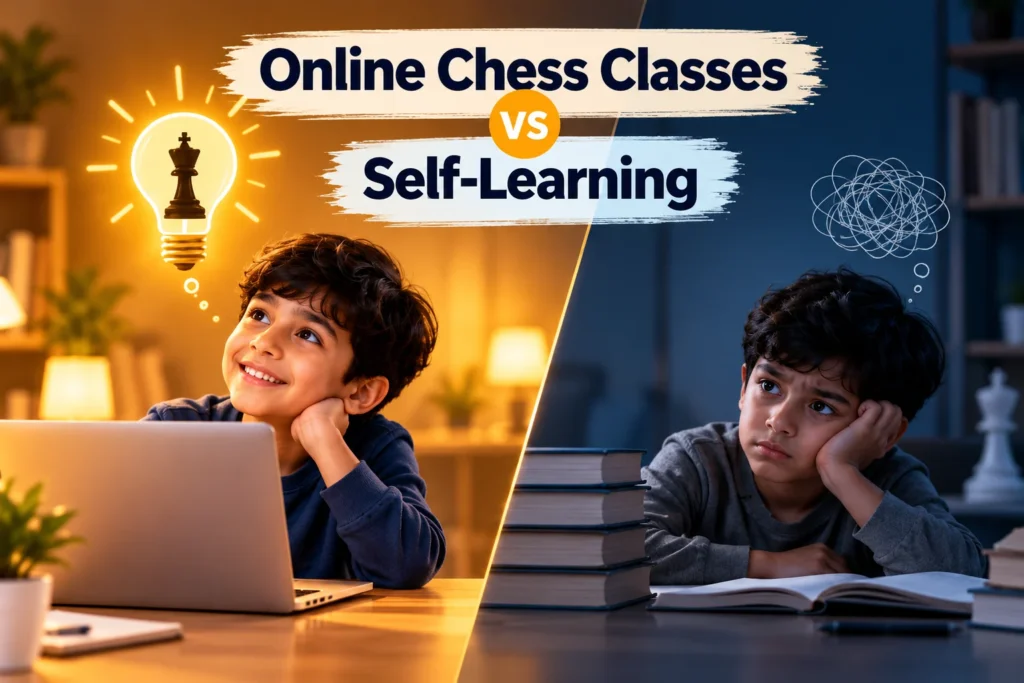
Online Chess Classes vs Self-Learning at Home
Homeschool families can use books, videos, chess websites and live coaching in different combinations. The right approach depends on the child's goals, the parent's available time and how much guidance the learner needs.
| Learning Method | Potential Advantage | Possible Limitation |
|---|---|---|
| Self-learning with books or videos | Allows children to revisit material at their own pace. | Children may need help understanding mistakes or choosing the next topic. |
| Independent chess practice | Provides opportunities to apply familiar ideas. | Practice alone may not explain why a move was inaccurate. |
| Live online chess coaching | Can provide instruction, interaction and feedback from a coach. | Requires a suitable schedule, internet access and an appropriate teaching match. |
| A blended approach | Combines guided lessons with independent revision. | Needs a manageable routine to avoid overloading the child's schedule. |
These methods do not have to compete. A child can learn through live coaching and then practise independently between sessions. For parents comparing different class formats, read our guide to online versus offline chess classes.
How to Choose an Online Chess Programme for Your Homeschooler
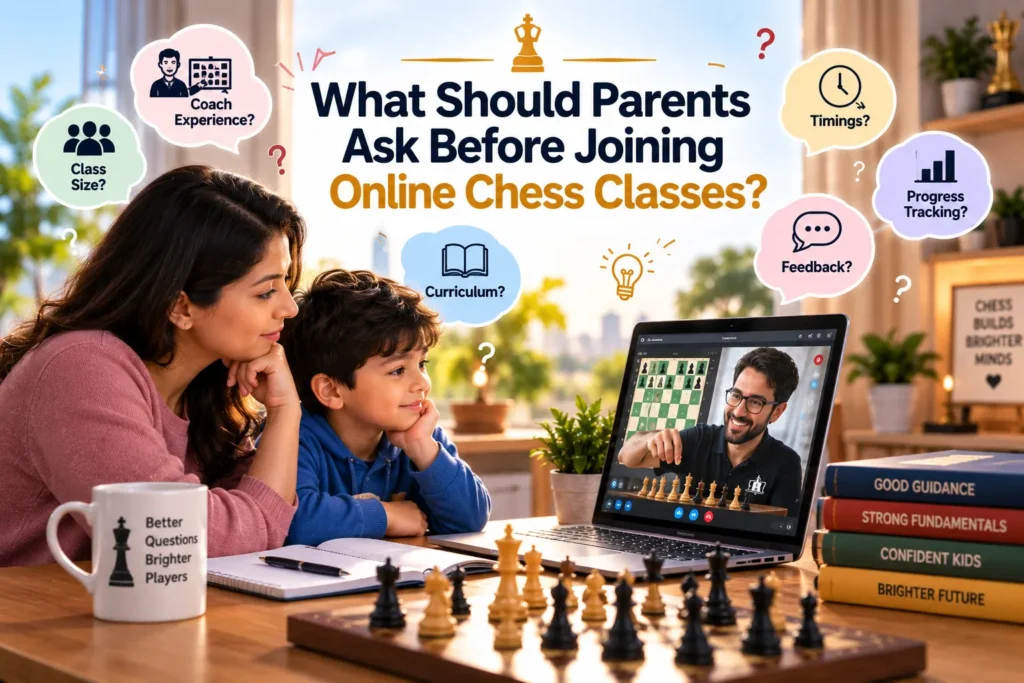
The best programme is one that matches your child's current skill level, learning preferences and family routine. Before enrolling, look beyond broad promises and ask practical questions about what students actually do during lessons.
-
Check the Starting Level
Ask whether the programme welcomes complete beginners and how the coach determines the appropriate starting point for a child who already knows the rules.
-
Understand the Lesson Structure
Find out how the coach introduces concepts, gives students opportunities to practise and reviews their understanding. Ask whether children receive practice activities between lessons.
-
Discuss Your Homeschool Schedule
Share your preferred days, time zone and other commitments. Confirm the actual available lesson times, duration and attendance arrangements with the academy.
-
Ask How Progress Is Reviewed
Progress may be discussed through the concepts learned, puzzle-solving, game reviews or the student's ability to apply ideas. Ask how the academy communicates learning progress to parents.
-
Check the Technology Requirements
Confirm which device, online platform, camera or microphone is needed. A laptop or tablet with a stable internet connection is often a practical starting point, but requirements vary by class.
-
Choose a Sustainable Practice Plan
Consider how much time your child can realistically spend on chess without affecting sleep, physical activity, core studies or other interests.
For a more detailed checklist, read our guide on how to choose the best chess academy for kids.
How Parents Can Track Chess Progress Without Pressure
It can be tempting to measure progress only through wins, ratings or how quickly a child learns new tactics. These measures may be useful in some contexts, but they do not tell the whole story—especially for a beginner.
Instead, use simple observations to understand what your child is learning. You can keep a short weekly note or ask the coach for feedback about specific learning goals.
A simple homeschool chess progress checklist
- Can your child explain a rule or concept learned recently?
- Are they recognising familiar tactical patterns?
- Can they identify a mistake when reviewing a position with help?
- Are they becoming more comfortable thinking before making a move?
- Can they describe one thing they would try differently in a game?
- Does the current practice routine still feel manageable and enjoyable?
You do not need to track every item every week. Pick one or two areas that match your child's current level and revisit them over time. If your child becomes frustrated, reduce the pressure and discuss suitable adjustments with the coach.
Common Homeschool Chess Planning Mistakes to Avoid
Overloading the Timetable
Adding too many chess activities can make a fun enrichment subject feel like another demanding assignment. Start small and adjust gradually.
Expecting Fast Results
Chess takes time to learn. Children develop different skills at different rates, so focus on understanding and practice rather than instant performance.
Skipping Game Review
Playing is valuable, but reviewing one important position can help children understand why a move worked or did not work.
Comparing Children
Siblings and peers may have different interests and learning speeds. Use personal progress and enjoyment as more useful guides than comparison.
Frequently Asked Questions
1. Are online chess classes suitable for homeschoolers?
Yes. Online chess classes can fit into a homeschool routine because lessons take place remotely. Families should check the available timings, teaching format, curriculum and technology requirements before choosing a programme.
2. Can a complete beginner join online chess classes?
Many programmes offer beginner instruction that starts with the chessboard, piece movements and basic rules. Confirm with the academy that its course is suitable for a child with no previous chess experience.
3. How can I include chess in our homeschool timetable?
Choose a manageable slot around your core subjects and family commitments. You might schedule a coached lesson on one day and use short practice sessions on other days. Adjust the plan to your child's age and attention span.
4. How much time should homeschoolers spend practising chess?
There is no single schedule that suits every child. Beginners may start with brief practice sessions, while experienced learners may prefer longer games and review. Ask the coach for a practice plan that fits your child's level and weekly routine.
5. Do parents need to know how to play chess?
Not necessarily. Parents can help organise the learning routine, encourage practice and ask their child to demonstrate new concepts. A coach can provide the chess instruction, while parents support consistency and enjoyment.
6. What equipment is needed for online chess classes?
Requirements depend on the academy. A computer or tablet, stable internet connection and a suitable place to learn are common starting points. Ask whether the class requires a camera, microphone, physical board or particular software.
7. Can chess count as a homeschool enrichment activity?
Chess can be included as an enrichment activity within a family's educational plan. Parents can record topics learned, puzzles completed or games reviewed if that fits their approach to documenting learning. Formal credit or curriculum requirements depend on the relevant educational system.
8. Should I choose live coaching or self-paced chess lessons?
Live coaching offers opportunities to ask questions and receive feedback, while self-paced resources allow children to revisit material independently. A blended approach may work well for some families. Choose based on your child's needs, available time and budget.
Make Chess a Meaningful Part of Your Homeschool Journey
Homeschooling gives families the opportunity to build an education around both essential subjects and a child's individual interests. Chess can add a structured, interactive activity in which children practise evaluating choices, exploring patterns and learning from mistakes.
With Online Chess Classes for Homeschoolers, families can explore guided instruction without travelling to a physical academy. Pairing lessons with manageable independent practice can help children revisit concepts and gradually develop their chess skills.
The most useful plan is not necessarily the busiest one. Choose a suitable learning level, establish a realistic routine and let your child develop their interest at a comfortable pace.
Explore Online Chess Learning for Your Child
Looking for online chess coaching that can fit into your homeschool routine? Contact Brainiac Chess Academy to discuss your child's current chess level and ask about available learning options.
Ask About Online Chess Classes →