


Online Chess Classes for Shy Kids: A Parent's Guide
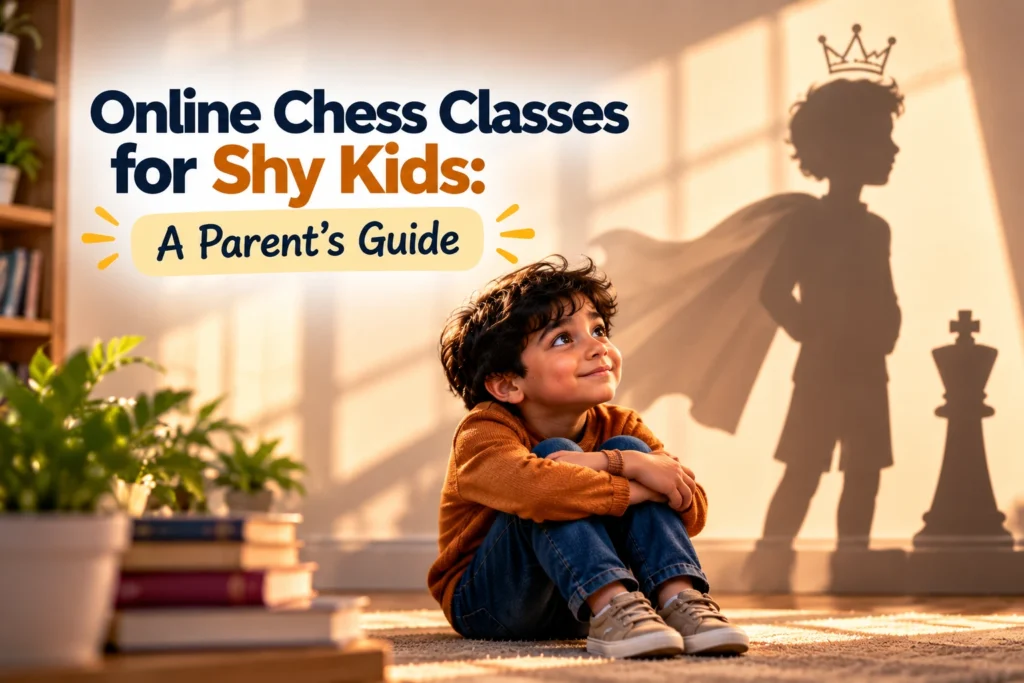
Finding the right activity for a shy child can be challenging. You may want your child to learn something new, make decisions independently and feel more comfortable sharing ideas, but you may also worry about placing them in an environment that feels overwhelming. Online Chess Classes for Shy Kids can offer a structured way to explore a new skill, practise thinking independently and participate at a pace that feels manageable.
Chess does not require children to be the loudest person in the room. It gives them a board, a position to examine and a decision to make. With patient instruction and encouragement, a quiet child can begin participating without feeling that they must change their personality to fit in.
Online Chess Classes for Shy Kids may suit children who prefer a quieter learning environment and need time to feel comfortable participating. A supportive coach can introduce chess concepts step by step, invite answers without pressure and help children learn from mistakes. Every child is different, so confidence develops at an individual pace rather than following a guaranteed timeline.
What parents will learn in this guide
- Why chess can appeal to children who prefer quiet activities
- How online lessons may make participation feel more manageable
- What to look for in confidence-building chess classes
- How parents can support learning without creating pressure
- Questions to ask before choosing an online chess coach
Why Chess Can Be a Good Activity for Shy Children
Shyness is not a weakness. Some children need more time to observe a new situation before joining in. Others feel comfortable expressing themselves through activities but hesitate when asked to speak in a group. These differences are normal, and children do not all learn or communicate in the same way.
Chess can be appealing because it provides a clear activity to focus on. Instead of needing to think of something to say in a social situation, a child can concentrate on the position, identify possible moves and gradually explain their reasoning when they feel ready.
A Clear Starting Point
The board and pieces give children something specific to explore. Beginners can start with the rules and simple moves before progressing to more challenging positions.
Time to Think
Chess encourages players to consider their options before moving. This can give thoughtful children a meaningful way to participate without rushing to answer.
Small, Achievable Goals
Learning how a piece moves, spotting a threat or solving a simple puzzle creates clear learning milestones that children can work towards.
Room to Grow at Their Pace
Children can build chess knowledge gradually. They do not need to master every concept immediately or compare their progress with another student.
Chess is not a treatment for shyness, and learning the game will not automatically make every child more outgoing. Its value lies in providing an enjoyable activity where children can practise thinking, making choices and learning through experience.
How Online Chess Classes for Shy Kids Can Help
For some children, starting an activity from home feels easier than entering an unfamiliar classroom. They can use a familiar device, sit in a comfortable space and concentrate on the lesson without having to adjust to a new physical setting.
Well-organised online chess coaching for children can make the learning process more predictable. Parents should still check how a coach communicates with students, how questions are encouraged and whether the class format suits their child's needs.
1. A Familiar Learning Environment
A child may feel more relaxed when learning from a familiar room. Having a parent nearby at the beginning can also help some children settle in. As the child becomes comfortable, parents can gradually give them more independence if they are ready.
2. Participation Through Moves and Puzzles
Children can demonstrate understanding by choosing a move, arranging pieces or solving a puzzle. Verbal explanations are useful, but they do not have to be the only way a beginner participates.
For example, a coach might ask, “Which piece could protect your king?” The child can first point to a piece or try a move, then explain the choice when comfortable.
3. Predictable Lessons and Clear Expectations
Knowing what comes next can help children feel prepared. A lesson might begin with a short review, introduce one concept, include guided practice and finish by revisiting what the child has learned.
This is an example of a possible lesson structure, not a fixed schedule followed by every academy. Ask the coach how their actual sessions are organised before enrolling.
4. Encouragement Without Unnecessary Pressure
A supportive coach recognises effort as well as correct answers. Instead of criticising a mistake, they can help the child examine the position and find another possibility.
This approach gives children opportunities to practise problem-solving without treating every incorrect move as a failure. It also helps parents understand that mistakes are a normal part of learning chess.
Can Chess Help Children Build Confidence?
Chess can create opportunities to practise confidence-related skills, particularly when children receive patient guidance and encouragement. However, confidence is personal and develops differently from child to child. Progress may appear in small moments rather than a sudden change in behaviour.
Making Independent Decisions
Choosing a move encourages children to evaluate options and take responsibility for a decision. Over time, they can become more comfortable explaining why they selected a particular move.
Learning to Handle Mistakes
A missed tactic or lost game can become an opportunity to review what happened. Children can learn that one mistake does not define their ability.
Expressing Ideas Gradually
Talking through a chess position can provide a specific topic for discussion. A child may find it easier to explain a move when the question is clear and familiar.
Recognising Personal Progress
Remembering a new rule, solving a puzzle or noticing an opponent's threat can help a child recognise what they are learning, regardless of their current playing strength.
Parent tip: Look for small signs of engagement, such as your child wanting to solve another puzzle, asking a question or explaining a move at home. Avoid measuring confidence only by how often your child speaks in front of others.
What Makes Confidence-Building Chess Classes Different?
Not every online class will suit every child. When looking for confidence-building chess classes, pay attention to the teaching environment, not just the chess curriculum.
| What to Look For | Why It May Help | What to Ask |
|---|---|---|
| Patient explanations | Gives children time to understand new ideas. | How do you support a child who needs more time? |
| Beginner-friendly lessons | Helps children start without needing prior chess knowledge. | Can complete beginners join? |
| Constructive feedback | Turns incorrect moves into learning opportunities. | How do you review mistakes with students? |
| Opportunities to participate | Allows children to try moves, solve puzzles and ask questions. | How do you encourage quieter students to take part? |
| A suitable class format | Matches the child's comfort level and learning needs. | Would an individual lesson or group class be a better starting point? |
A good match is more important than choosing the most competitive class. Some children enjoy the energy of a small group once they settle in. Others may initially prefer more individual attention. Discuss your child's needs with the academy instead of assuming one format will suit everyone.
Individual Chess Lessons or Group Classes: Which Is Better for a Shy Child?
Both formats can work well, depending on the child. Consider how your child responds to new people, whether they like observing others and how much individual support they need.
Individual Online Lessons
One-to-one lessons can offer more opportunities for personalised explanations and a pace tailored to the learner. They may suit children who feel overwhelmed in groups or need extra time to become comfortable with a coach.
Ask about: lesson pacing, interaction style and how the coach helps a quiet beginner settle in.
Small Group Chess Classes
A suitable group can give children opportunities to observe other learners, share ideas and play with peers. The experience depends on group size, teaching style and how participation is managed.
Ask about: group size, opportunities to answer and how the coach supports students who need more time.
If you are comparing formats, read our guide to online chess classes versus offline chess classes. It can help you consider the learning environment, convenience and format that may suit your family.
Are Beginner Chess Lessons for Kids Suitable If They Are Very Quiet?
Yes. A child does not need to be highly talkative or already know chess to begin learning. The important thing is to find a suitable starting level and a coach who can communicate in a patient, age-appropriate way.
In beginner chess lessons for kids, learning can start with the names of the pieces, how each piece moves, how to recognise check and how to protect the king. Once these basics become familiar, the child can practise simple tactics and play short games.
If your child is completely new to chess, you may also find our guide on the best age to start learning chess helpful when thinking about readiness and age-appropriate learning.
Remember: Being quiet does not automatically mean a child lacks confidence or social skills. The goal is not to make your child more outgoing; it is to give them a positive opportunity to learn a skill in a way that respects their personality.
How Parents Can Prepare a Shy Child for Their First Online Chess Lesson
The first session may feel unfamiliar, even if your child is interested in chess. A little preparation can make the experience easier without turning it into another task they must perform perfectly.
-
Explain What Will Happen
Tell your child that they will meet a chess coach, learn or practise a few moves and have opportunities to try things out. Let them know it is fine not to know every answer.
-
Set Up a Comfortable Learning Space
Choose a reasonably quiet place with a laptop or tablet, a stable internet connection and a comfortable seat. Check the audio and video beforehand if the lesson uses them.
-
Let Your Child Know That Mistakes Are Normal
Explain that chess players learn by trying moves, reviewing positions and discovering better options. The first lesson is a chance to learn, not a test that your child must pass.
-
Tell the Coach About Your Child's Preferences
Before the session, mention if your child needs extra time to answer, prefers demonstrations before questions or feels nervous when speaking in a group. This gives the coach useful context.
-
Allow Your Child to Settle In
Some children begin talking straight away; others observe before participating. Give your child time and avoid repeatedly asking whether they are enjoying the lesson while it is happening.
-
Discuss the Experience Afterwards
Ask an open question such as, “What was one interesting move you saw today?” If your child does not want to talk immediately, give them space and revisit the topic later.
How to Encourage Your Child Without Putting Them Under Pressure
Parents play an important role in making extracurricular learning feel safe and enjoyable. Encouragement works best when it recognises effort and curiosity rather than demanding visible results.
Try This
“I liked how you took your time to think about that move.”
“Would you like to show me how this piece moves?”
“It's okay to get it wrong. What could we try next?”
Avoid This
“Why didn't you answer the coach?”
“You should know this by now.”
“Look how confidently the other children speak.”
Comparisons can make a child feel that participation is a performance rather than part of learning. Instead, recognise small steps and let your child build familiarity over time.
You can also practise together at home. Play a short game, solve a simple puzzle or ask your child to teach you one rule they remember. Keep these moments relaxed, and stop if the activity becomes frustrating.
How Can You Tell If an Online Chess Class Is the Right Fit?
Your child may need more than one session to feel comfortable with a new coach or routine. Rather than expecting an immediate transformation, observe whether the learning environment appears supportive and whether your child is gradually engaging with the activity.
- Your child feels comfortable attempting a move, even when unsure.
- The coach gives clear explanations without shaming mistakes.
- Your child has a chance to think before being expected to answer.
- The lesson level is appropriate for the child's current chess knowledge.
- Your child can tell you something they learned, even if they speak very little during class.
- The class format feels manageable rather than persistently overwhelming.
These are useful observations, not a checklist every child must satisfy. If your child remains distressed or consistently dreads lessons, discuss the concern with the coach and consider adjusting the format or taking a break.
Questions to Ask Before Enrolling Your Child
Before choosing an academy, ask practical questions that help you understand the teaching approach and whether it will suit your child.
- Can children join if they have never played chess before?
- How do coaches help a child who is hesitant to speak?
- Can a child answer by choosing a move or solving a puzzle before explaining it verbally?
- Are individual and group lesson options available?
- How does the coach respond when a student makes repeated mistakes?
- How will parents receive information about what their child is learning?
- What equipment and software are needed to attend classes?
- Can we discuss the child's needs before deciding on a suitable class?
A thoughtful conversation before enrolment can help set realistic expectations and make it easier to choose a learning environment that fits your family.
Frequently Asked Questions
1. Are online chess classes good for shy kids?
They can be a good option for some shy children because lessons take place in a familiar environment and focus on a clear activity. The best experience depends on the child's preferences, the coach's approach and whether the class format feels comfortable.
2. Can chess help a shy child become more confident?
Chess provides opportunities to practise decision-making, explain ideas and learn from mistakes. These experiences may support confidence for some children, but chess does not guarantee changes in personality or social behaviour.
3. Should I choose private or group chess lessons for a quiet child?
Private lessons may suit a child who prefers individual attention, while a supportive small group may suit a child who enjoys observing and learning alongside peers. Ask the academy about both formats and consider your child's comfort level.
4. Does my child need to know chess before joining?
Not necessarily. Many beginner programmes start with the chessboard, piece movements and basic rules. Tell the coach what your child already knows so the starting level can be discussed.
5. What if my child does not speak much during the online lesson?
A quiet first session does not automatically mean the class is unsuitable. Some children need time to observe and become familiar with the coach. Ask how the coach encourages participation and whether your child can initially respond through moves or puzzles.
6. How can parents support chess learning at home?
Keep practice short and enjoyable, celebrate effort, play simple games together and ask your child to show you something they learned. Avoid comparing their progress with other children or turning every game into a test.
7. Are online chess lessons suitable for children who get nervous around new people?
They may be worth exploring if the child feels comfortable using a computer or tablet. Explain the session in advance, share the child's preferences with the coach and ask whether a gradual introduction is possible.
8. How do I know whether my child is making progress?
Look for growing familiarity with chess rules, better understanding of positions, willingness to attempt puzzles and enjoyment of practice. Progress can be uneven, so discuss specific learning goals with the coach instead of focusing only on wins or ratings.
Give Your Child Space to Learn, Think and Grow
Every child has a different way of approaching new experiences. Some are eager to answer questions, while others prefer to listen, observe and think before joining in. Neither approach determines how much a child can learn.
Online Chess Classes for Shy Kids can offer a structured opportunity to discover chess, practise independent decisions and gradually become comfortable with a learning routine. With patient instruction and encouragement at home, the focus can remain on enjoying the game and developing skills at an individual pace.
If you are exploring chess lessons for your child, Brainiac Chess Academy can be a starting point for discussing your child's current level and learning needs. Ask about the available class formats and how lessons are conducted before deciding what is suitable.
Ready to Explore Chess Learning for Your Child?
Tell Brainiac Chess Academy about your child's age, chess experience and preferred learning style. Start a conversation to understand the available online coaching options.
Ask About Online Chess Classes →Every child responds differently to learning environments. Chess classes are educational activities, not a substitute for professional support if a child experiences persistent anxiety or distress.