Online Chess Classes in Kolkata | Learn from Experts

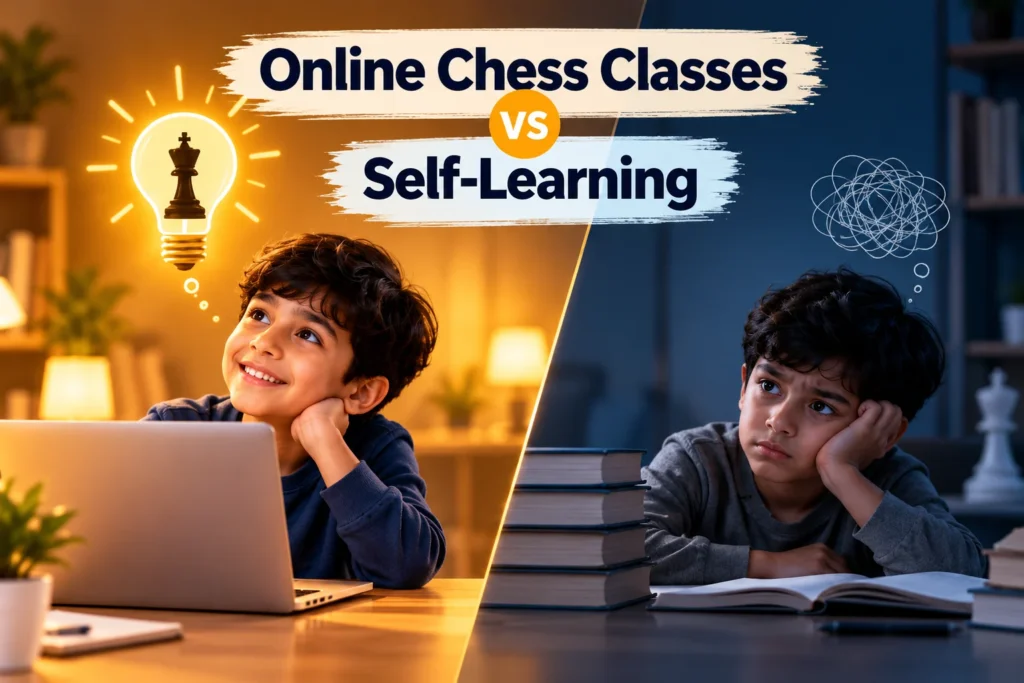
Parenting a school-going child in Kolkata involves navigating a daily balance between academic excellence and meaningful enrichment. Between rigorous school hours, academic subject tuitions, music or art practice, and daily homework assignments, finding time for structured mental development can feel overwhelming. Many parents want their children to build strong focus, strategic thinking, and patience through a timeless sport like chess. However, the thought of spending an extra hour stuck in evening traffic across Salt Lake, Park Street, or EM Bypass just to reach a local coaching center often forces families to compromise. Enrolling your child in online chess classes in Kolkata has emerged as a practical, highly effective alternative that fits smoothly into busy family schedules while preserving energy for learning.
Chess is far more than a recreational board game; it is a mental discipline that trains the brain to calculate outcomes, manage time, and maintain emotional control under pressure. Yet, learning chess effectively requires guided mentorship rather than unguided online play against algorithms. A well-structured virtual program connects students with experienced coaches using live interactive boards, structured exercise modules, and individual game reviews. This guide offers a practical, transparent look at how modern virtual coaching operates, what parents should evaluate before enrolling, and how home-based training fosters steady intellectual growth without adding stress to your family's routine.
Quick Answer
Yes, enrolling in online chess classes in Kolkata is a fantastic option for school children and beginners. It eliminates tiring evening commutes, provides flexible batch timings around academic tuitions, and connects students with certified coaches using live digital boards, step-by-step tactical assignments, personalized game reviews, and continuous progress updates.
What Are Online Chess Classes in Kolkata?
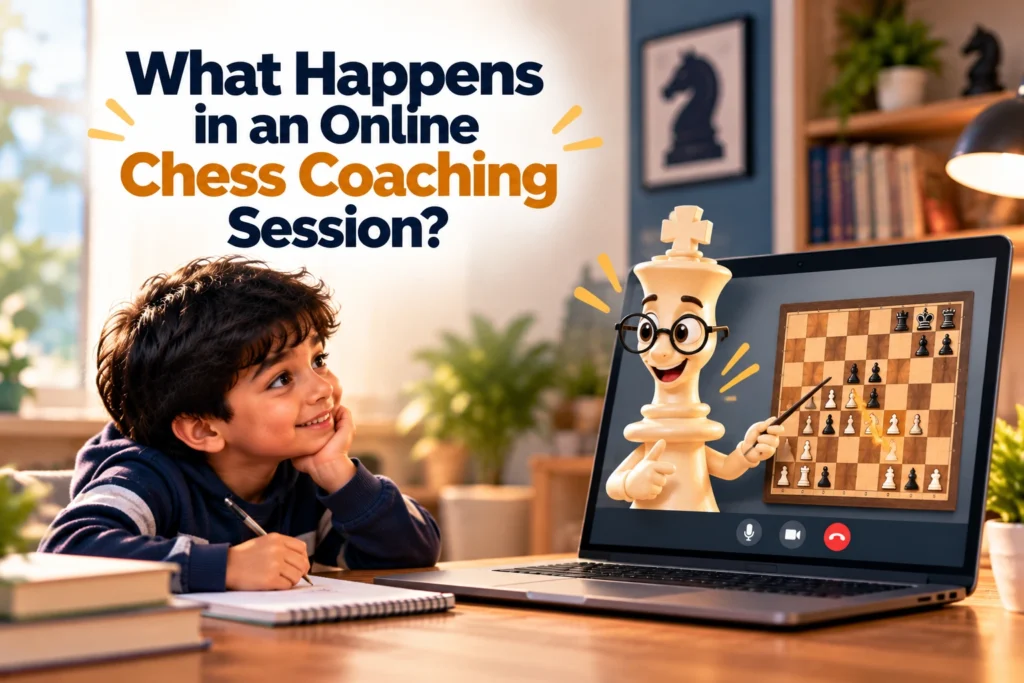
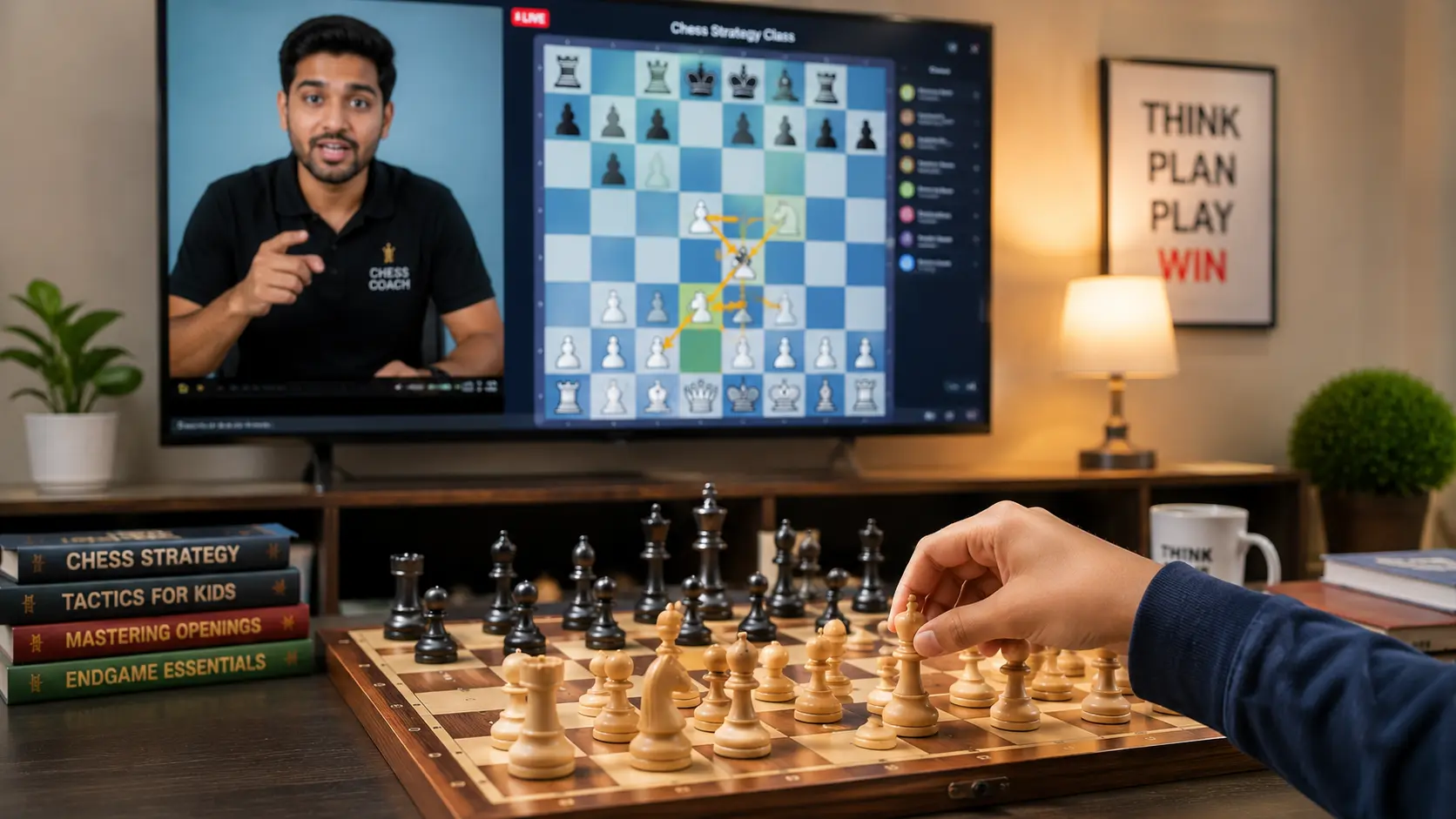
Modern digital chess education is completely different from watching passive video lectures or playing casual matches against computer bots. A live online chess class operates as a dynamic, two-way digital classroom where students interact directly with expert coaches in real time. Instructors utilize high-definition interactive chessboards to demonstrate tactical motifs, opening principles, and endgame patterns. Coaches can highlight critical squares, draw visual calculation lines, and present positional challenges that require active student participation.
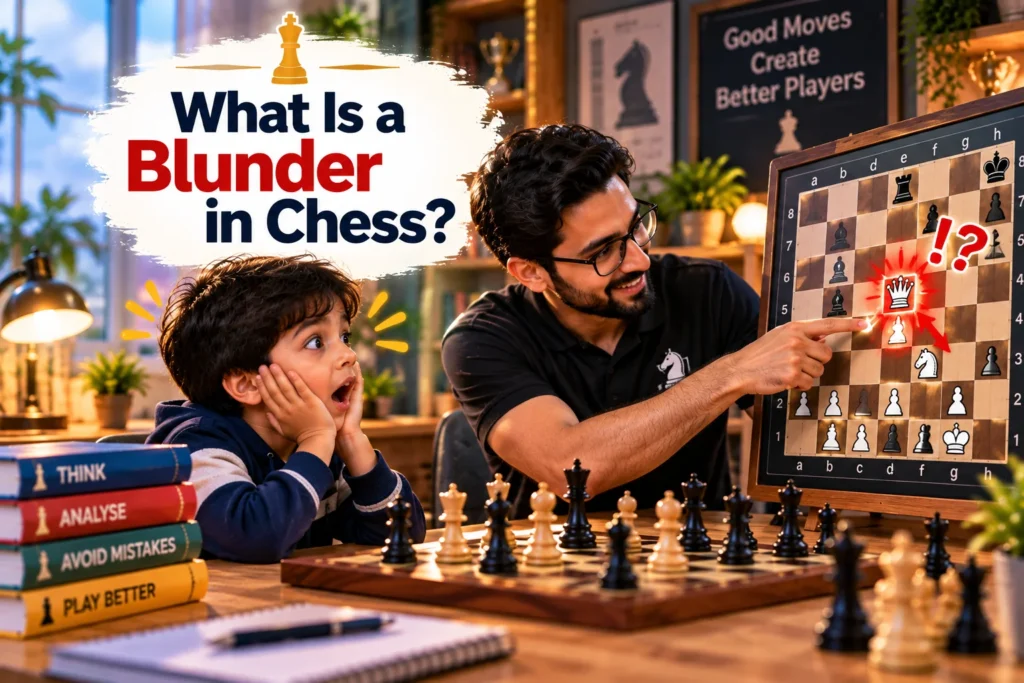
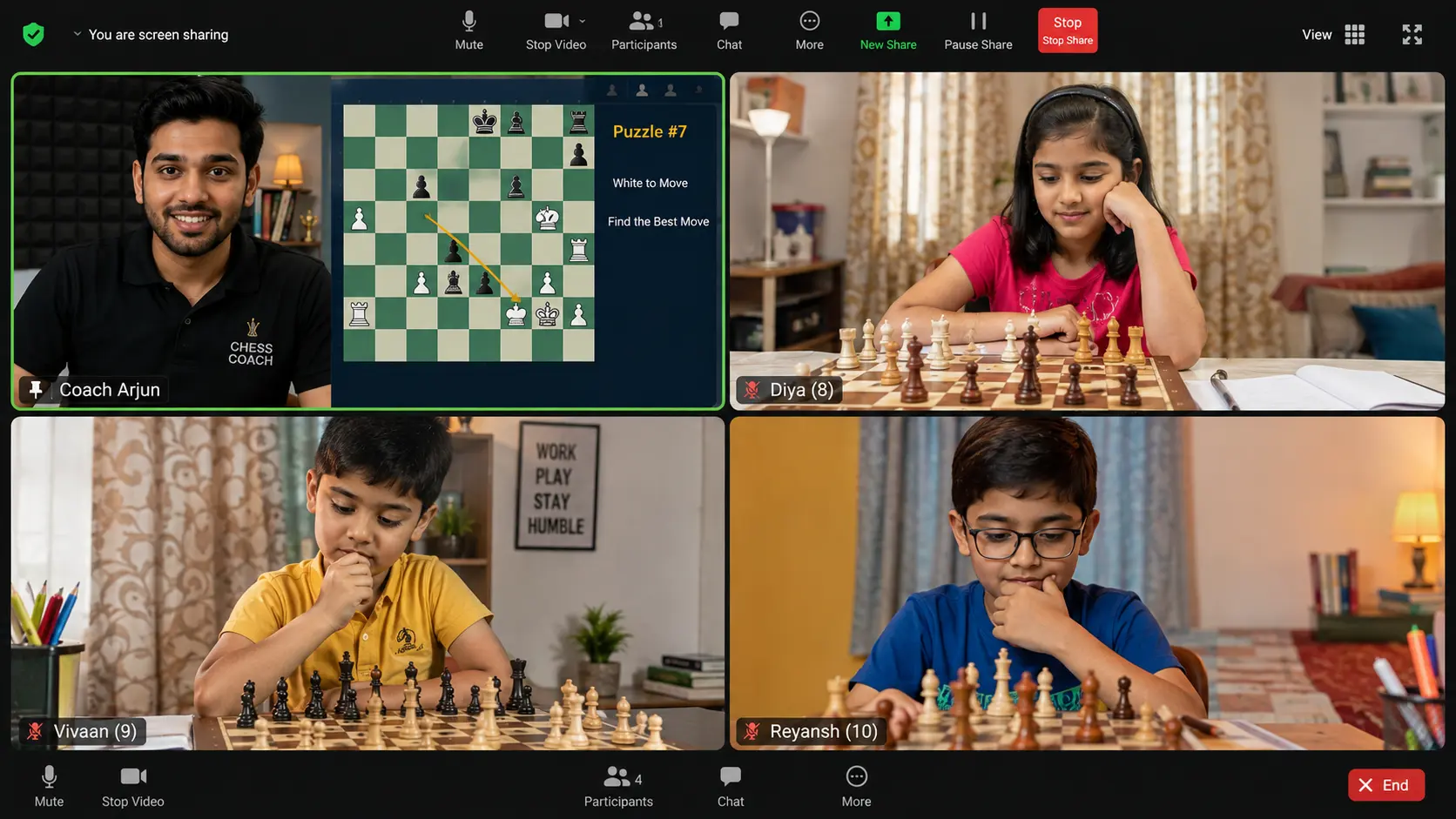
During a typical live coaching session, students do not simply listen—they solve puzzles on screen, explain their strategic reasoning verbally, and play supervised practice games against batch mates. Coaches observe these practice games live, pausing play when necessary to point out positional blunders, tactical opportunities, or calculation oversights. Outside of live class hours, students receive structured puzzle homework, digital game analysis sheets, and periodic progress assessments. This structured digital workflow ensures that students absorb concepts deeply and apply them systematically during actual play.
Why Are Online Chess Classes Useful for Families in Kolkata?
For families across Kolkata—from North Kolkata’s traditional neighborhoods to the growing residential complexes of Rajarhat, New Town, and Garia—managing a child's weekly schedule is a delicate balancing act. After spending six to seven hours at school and attending core subject tuitions, young minds experience genuine cognitive fatigue. Transporting a tired child through heavy evening traffic to a physical coaching academy often turns what should be an enjoyable activity into an exhausting chore.
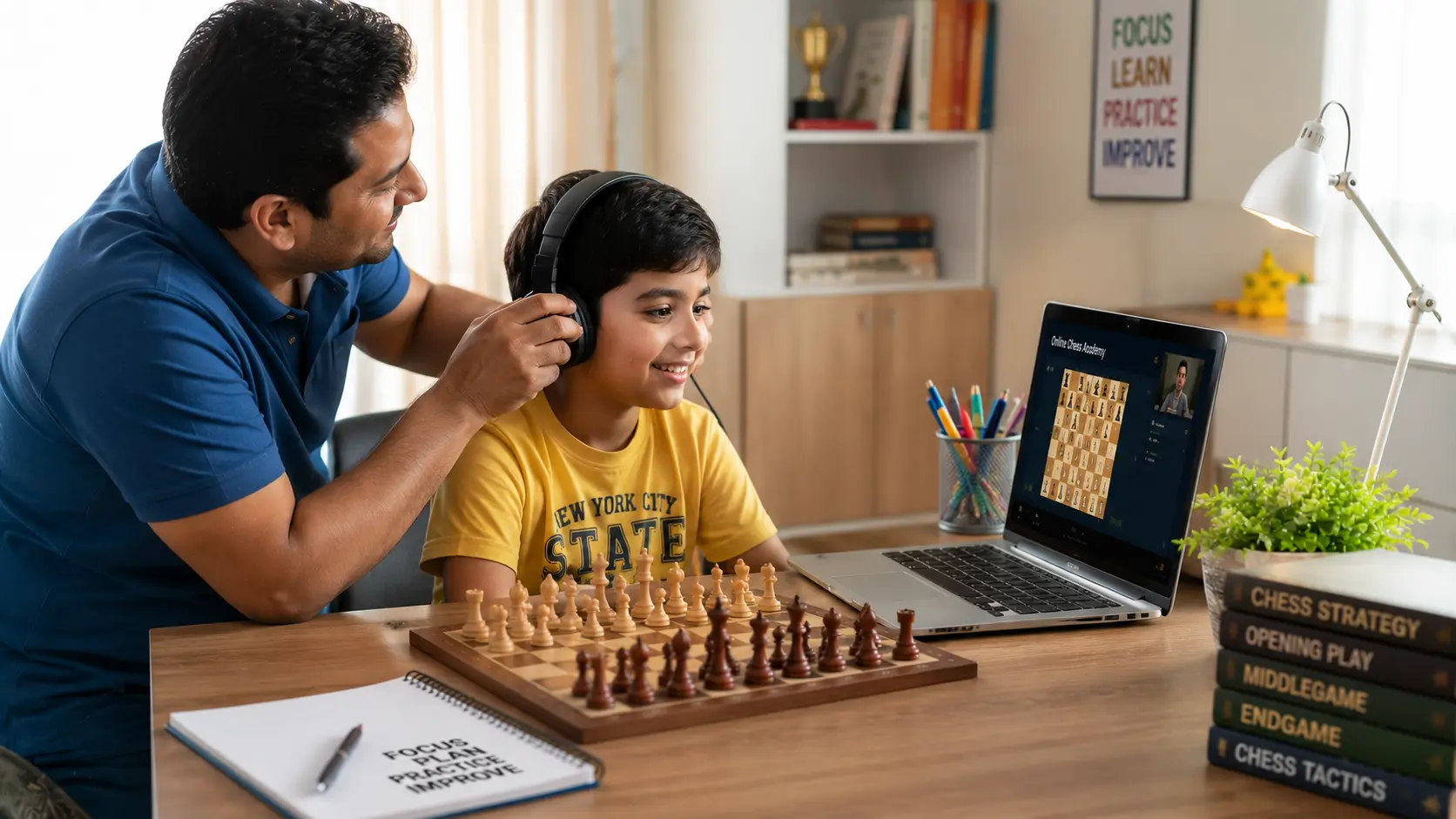
Virtual learning eliminates commute-related fatigue entirely. Your child can step straight from their homework desk into a structured chess class, learning in a quiet, comfortable home setting. Furthermore, flexible batch options on weekday evenings or weekend mornings allow parents to select timings that do not conflict with school examinations or family commitments. Learning from home also gives parents full transparency; you can quietly observe how your child responds to guidance, how long they maintain focus, and how they handle winning or losing games.
Who Can Join Online Chess Coaching in Kolkata?
Virtual chess instruction is highly adaptable, catering to students across varying age groups, skill levels, and competitive ambitions. Whether a child is seeing a chess board for the first time or an experienced player is aiming for a tournament rating, structured online mentoring adapts to individual learning speeds.
Chess Coaching for Beginners in Kolkata
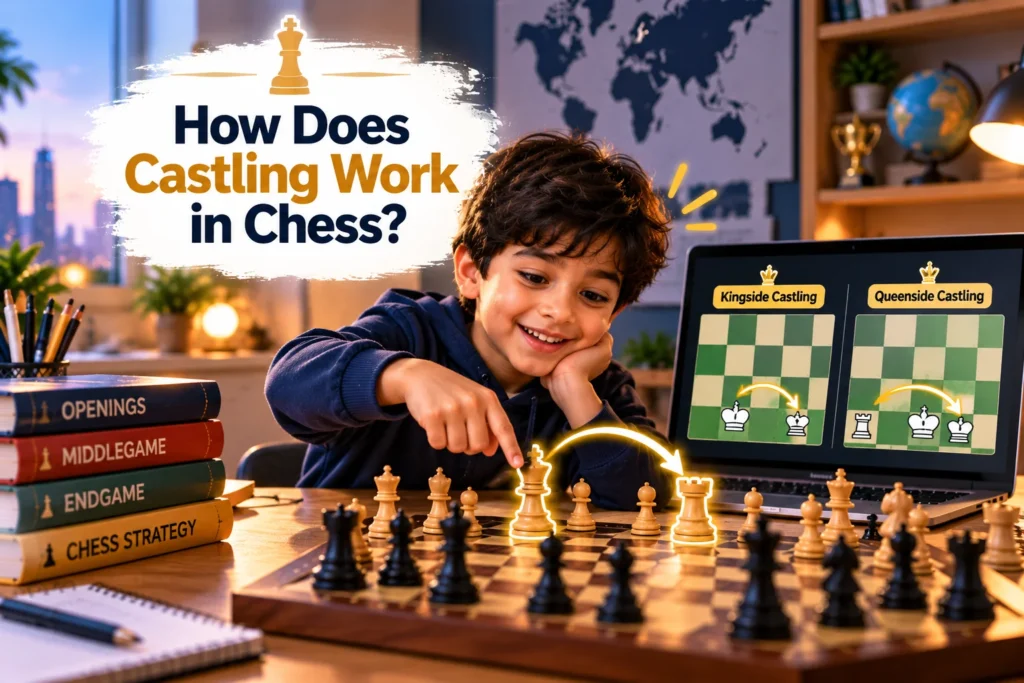
Complete beginners benefit immensely from guided instruction right from step one. Learning basic rules without structured guidance often leads to bad habits, such as moving pieces impulsively or ignoring central board control. Professional coaches guide beginners through piece movements, board notation, special rules like castling and en passant, and fundamental checkmating patterns. Early training emphasizes visual awareness and board safety, ensuring beginners build a solid foundation before tackling complex multi-move calculations.
Chess Classes for Kids in Kolkata
School-age children thrive when abstract concepts are broken down into clear, engaging challenges. Chess provides an ideal framework for developing patience, attention to detail, and logical foresight. When children learn to think through consequences before touching a piece on screen, they naturally transfer those analytical habits to school subjects like mathematics, science, and reading comprehension.
Intermediate Players
Once a student understands basic tactics, progress can plateau without structured positional understanding. Intermediate players often struggle with middle-game planning, pawn structure evaluation, or defensive techniques under time pressure. Live online training helps intermediate learners master tactical motifs like pins, forks, and skewers, while introducing positional concepts such as open files, weak squares, and king safety. Regular coach reviews help students identify recurring tactical blunders and refine their decision-making process.
Tournament-Focused Players
Students preparing for district, state, or rated tournaments need systematic, high-level preparation. Competitive chess requires deep opening repertoire design, endgame technique mastery, computer engine analysis, and tournament psychology. Online training connects aspiring competitors with specialized coaches and digital databases, giving them the tools needed to analyze opponent styles and prepare thoroughly for competitive events.
Adults Learning Chess
Chess is not limited to young students; many adults in Kolkata pick up the game to sharpen their cognitive agility, improve strategic thinking, or pursue an engaging intellectual hobby. Flexible online batch schedules allow working professionals to learn at their own pace without the pressure of a traditional classroom setting.
What Should Parents Look for in Online Chess Training in Kolkata?
Selecting the right coaching program requires looking beyond flashy claims and evaluating the core teaching methodology. To ensure your child receives structured, growth-focused training, consider this practical evaluation checklist:
- Qualified and Patient Mentors: Strong playing ability does not automatically make someone a great teacher. Look for coaches who communicate clearly, show genuine patience with children, and explain complex positional ideas in simple terms.
- Structured Level-Based Syllabus: Avoid informal play clubs that lack a formal teaching pathway. A dependable academy uses a step-by-step curriculum that moves logically from basic mechanics to advanced strategic planning.
- Small Group Batches: Large online classes reduce individual student engagement. Ensure batch sizes remain small (ideally 4 to 8 students) so the mentor can interact with every child, ask direct questions, and assess individual understanding.
- Supervised Practice and Reviews: Learning concepts without practical application leads to fast forgetting. Quality programs include dedicated practice games where coaches monitor play and provide post-game feedback.
- Character and Resilience Building: A balanced chess program teaches children how to win with grace and handle losses constructively. Learning to view mistakes as valuable feedback builds emotional strength that serves children well far beyond the chessboard.
Online Chess Classes vs Offline Chess Classes
To help you decide which learning format best suits your family's routine, here is a balanced comparison between traditional physical centers and modern virtual coaching:
| Comparison Factor | Online Chess Classes | Offline Chess Classes |
|---|---|---|
| Travel & Convenience | Zero travel required. Students learn comfortably from home. | Requires commuting through city traffic to a physical center. |
| Scheduling Flexibility | High flexibility with multiple weekday and weekend batch options. | Fixed center hours with limited makeup options for missed classes. |
| Coach Accessibility | Access specialized mentors regardless of geographic distance. | Limited strictly to coaches available within local commuting range. |
| Learning Tools | Interactive digital boards, instant engine analysis, digital puzzle sets. | Physical chess sets, demonstration boards, printed worksheets. |
| Game Analysis | Automated game recording allows move-by-move computer review. | Requires manual scorebook recording and memory-based reviews. |
| Social Interaction | Live voice/video interaction and supervised online peer matches. | In-person physical presence and face-to-face board play. |
| Parental Visibility | Parents can easily observe class quality and student participation. | Parents usually wait outside the classroom during training hours. |
Neither format is universally superior; the ideal choice depends on your child's personality, learning style, and your family's weekly schedule. For more insights on evaluating these two formats, read our detailed guide on Online Chess Classes vs Offline Chess Classes.
Pros and Cons of Online Chess Classes
A transparent evaluation requires considering both the clear advantages and realistic limitations of virtual chess education.
Pros
- Significant Time Savings: Eliminates commuting time, preserving energy for schoolwork and rest.
- Access to Expert Coaching: Connects students with experienced coaches regardless of location.
- Digital Game Archiving: Games played online are automatically saved for coach analysis and error identification.
- Flexible Learning Environment: Children study in a comfortable, familiar home environment.
- Consistent Schedule: Classes continue smoothly even during bad weather, travel, or school exam periods.
Cons
- Device and Internet Dependency: Requires a reliable computer/tablet and a stable internet connection.
- Screen Time Considerations: Adds structured screen time that parents need to manage alongside recreational device use.
- Support for Very Young Children: Children aged 4 to 5 may require initial parental help with device navigation.
- Lack of Physical Board Presence: Does not replicate the physical feel of touching wooden pieces across a table.
Do not select a chess academy based solely on the lowest fee structure or the maximum number of hours offered. A focused 45-minute interactive lesson with an attentive coach who identifies your child's specific calculation flaws is infinitely more valuable than hours of unsupervised online play. True coaching quality centers on building disciplined thinking habits that last a lifetime.
How Can Chess Help Children Stay Focused While Learning?
In an era dominated by short-form digital media and constant notifications, cultivating sustained attention span is one of the greatest challenges facing young students. Chess acts as a natural workout for the brain. Every move requires a child to pause, evaluate multiple options, calculate candidate moves, and anticipate their opponent's response. Impulsive decisions on the board lead to immediate tactical consequences, teaching children the direct value of thinking before acting.
Regular chess practice trains young minds to sustain concentration over extended periods. As children learn to visualize potential moves ahead, their working memory and cognitive focus improve significantly. To discover more about how strategic board play enhances cognitive discipline, explore our detailed resource on how chess improves concentration.
What Is a Good Age to Start Chess Classes?
Parents frequently ask about the ideal age to introduce children to structured chess training. While there is no single rule for every child, most chess educators agree that ages 5 to 7 represent an excellent entry window. At this stage, young children possess the cognitive capability to understand basic spatial rules, piece movements, and simple tactical goals while remaining highly receptive to structured learning habits.
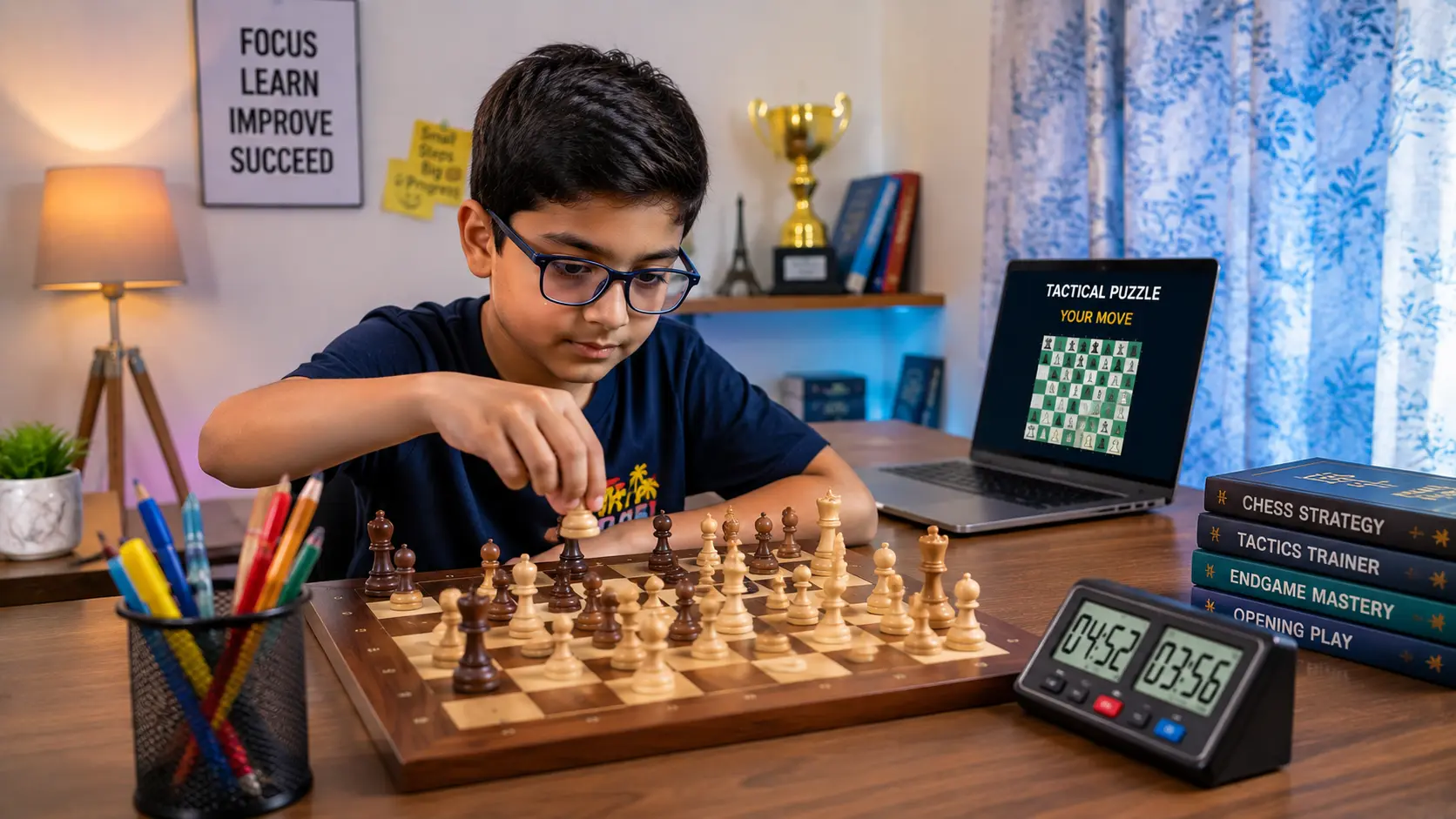
However, readiness depends more on curiosity, willingness to follow basic instructions, and interest than on age alone. Older children, teenagers, and even adults can pick up chess successfully and make rapid progress with dedicated practice. If you are wondering whether your child is ready to begin, read our complete guide on the best age to start learning chess.
What Are the Benefits of Chess for Kids?
The mental benefits of chess extend far beyond winning games or achieving a competitive chess rating. Regular chess training fosters critical life skills that benefit children in their personal and academic growth:
- Enhanced Problem-Solving Skills: Children learn to analyze complex situations, break them down into smaller positional elements, and formulate step-by-step solutions.
- Strategic Planning and Foresight: Chess teaches young players to plan multiple moves ahead and consider long-term consequences rather than seeking instant gratification.
- Emotional Resilience and Sportsmanship: Handling losses constructively teaches children that failure is simply data for improvement—a crucial mindset for overcoming academic and personal setbacks.
- Improved Spatial Reasoning: Visualizing piece trajectories across the board strengthens spatial awareness and geometric visualization.
- Confidence and Independence: On the chessboard, every decision belongs entirely to the player. Making independent choices and seeing them succeed builds authentic self-confidence.
To learn more about how board strategy supports cognitive development in young learners, read our overview on the benefits of chess for kids.
How Can Children Improve Through Online Chess Training?
Enrolling in a high-quality coaching program provides the blueprint, but real progress relies on consistent practice habits outside of class hours. Here is a practical framework to help your child maximize their improvement:
- Establish a Consistent Practice Routine: Short, daily practice sessions (20 to 30 minutes) are far more effective than marathon study sessions once a week. Consistency builds lasting neural pathways.
- Solve Tactical Puzzles Regularly: Puzzles sharpen visual pattern recognition, helping students spot tactical opportunities like pins, forks, and checkmate patterns quickly during actual games.
- Review Every Played Game: Never finish a game without reviewing key mistakes. Analyzing lost games alongside a coach or computer engine reveals calculation blind spots and prevents repeating blunders.
- Create a Dedicated Study Environment: Set up a quiet, well-lit desk free from television noises or mobile phone notifications during class time and practice sessions.
- Focus on the Process, Not Just Outcomes: Encourage your child to take pride in thoughtful calculation and patience rather than focusing solely on whether they won or lost a practice match.
How Much Chess Practice Does a Child Need?
The recommended practice volume depends on your child's age, skill level, and personal goals. Here is a general guideline for home study:
- Beginners (Ages 5–8): 15 to 30 minutes daily. Focus on basic piece movement drills, simple checkmating puzzles, and fun practice games against peers.
- Intermediate Learners: 30 to 45 minutes daily. Focus on tactical puzzle sets, reviewing class notes, analyzing played games, and playing timed matches.
- Tournament-Focused Competitors: 45 to 60+ minutes daily. Focus on deep opening analysis, endgame calculation, computer engine verification, and competitive tournament play.
Remember that quality of attention matters significantly more than total hours spent. Fifteen minutes of focused, distraction-free tactical calculation yields far better results than an hour of mindless, rapid blitz play.
How to Choose the Right Online Chess Academy in Kolkata
Choosing the right educational partner ensures your child stays motivated, engaged, and challenged over the long term. Use this questionnaire when evaluating online chess academies:
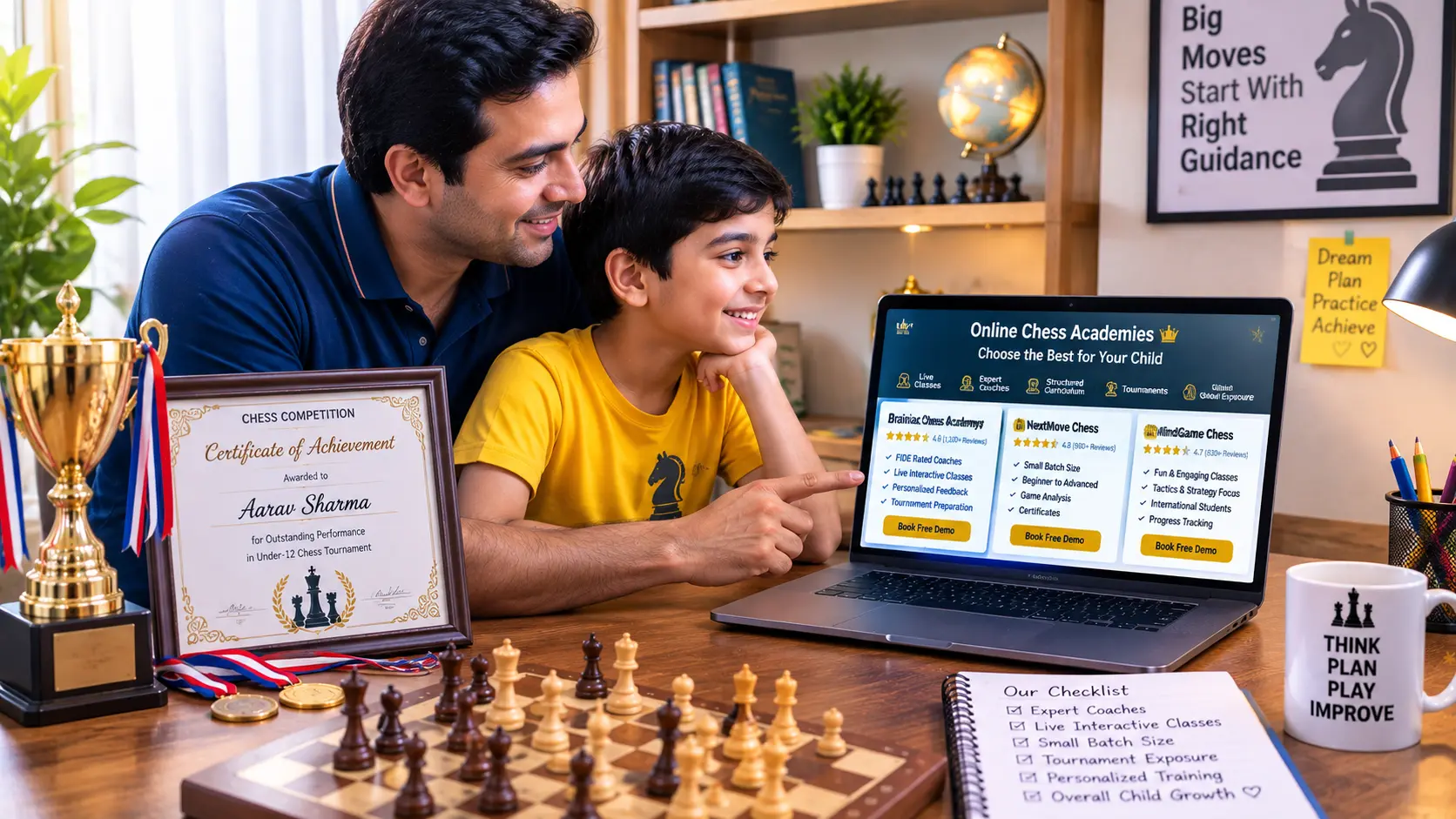
- Who teaches the live classes? Are the mentors experienced, certified, and accustomed to teaching young children?
- Is the curriculum structured across clear skill levels? Does the academy offer distinct learning tracks for beginners, intermediate, and advanced students?
- How many students are in each batch? Are group sizes kept small enough to guarantee personal attention for every student?
- Does the academy provide individual game reviews? Are student games reviewed systematically to identify and fix recurring tactical errors?
- Are practice games included in the program? Does the academy host structured practice sessions where students apply new concepts safely?
- How is student progress monitored and communicated? Do parents receive regular updates regarding their child's strengths, weaknesses, and growth milestones?
- Is a trial or demo class available? Can your child participate in an introductory session to experience the teaching style firsthand before committing?
Why Choose Brainiac Chess Academy for Online Chess Coaching?
If you are looking for structured, expert-led chess coaching for your child, Brainiac Chess Academy offers a proven learning environment focused on long-term skill development. The academy provides comprehensive online training programs designed to guide students systematically from basic rules to advanced tactical and positional mastery.
It is important for parents to know that Brainiac Chess Academy is physically located in Sector 7, Janata Market, Vashi, Navi Mumbai, Maharashtra. While the physical headquarters operates in Navi Mumbai, the academy runs a fully equipped, professional online coaching platform. This enables students living in Kolkata and other cities across India to access top-tier chess instruction comfortably from home.
Brainiac Chess Academy distinguishes itself through small batch sizes, personalized mentor guidance, structured curriculum modules, and regular performance evaluations. Mentors focus not only on opening variations and tactical tricks, but also on building strategic confidence, logical discipline, and emotional resilience in young learners. Whether your child is taking their first steps on the board or preparing for competitive tournaments, Brainiac Chess Academy provides the guidance and structure needed to excel.
Frequently Asked Questions About Online Chess Classes in Kolkata
1. Are online chess classes good for children in Kolkata?
Yes, online chess classes are very effective for children. They offer direct access to experienced mentors without requiring travel through busy city traffic. Interactive digital boards, real-time coach feedback, and structured practice make virtual learning highly engaging and convenient for students.
2. What age can a child start online chess classes?
Most children can begin learning chess around 5 to 6 years of age. At this stage, young minds absorb piece rules and basic spatial concepts quickly. Visual digital tools and interactive boards help keep lessons fun and accessible for young beginners.
3. How do online chess classes work?
Classes take place live via video conferencing with an interactive digital board. Instructors demonstrate tactical concepts, guide calculation drills, and supervise practice games played between classmates, offering real-time feedback throughout the session.
4. Are online chess classes suitable for beginners?
Yes, online classes are excellent for beginners. Visual demonstrations on digital boards make piece movements, spatial rules, and checkmating concepts clear and easy to grasp step-by-step.
5. How often should children practice chess?
Consistency is key to steady progress. Short daily practice sessions of 15 to 30 minutes—focused on solving tactical puzzles or playing practice games—are much more effective than long, infrequent study sessions once a week.
6. Can online chess coaching help with tournament preparation?
Yes. Specialized online coaching includes opening preparation, middle-game planning, endgame calculation, and digital game analysis, helping students prepare effectively for local, state, and rated tournaments.
7. What should parents look for in an online chess academy?
Look for qualified instructors, small batch sizes, a structured curriculum, regular performance tracking, and open parent communication. A reliable academy emphasizes long-term cognitive growth rather than quick promises.
8. Can students from Kolkata join Brainiac Chess Academy online?
Yes. While Brainiac Chess Academy is physically located in Vashi, Navi Mumbai, its online chess coaching programs are open to students living in Kolkata and across India.
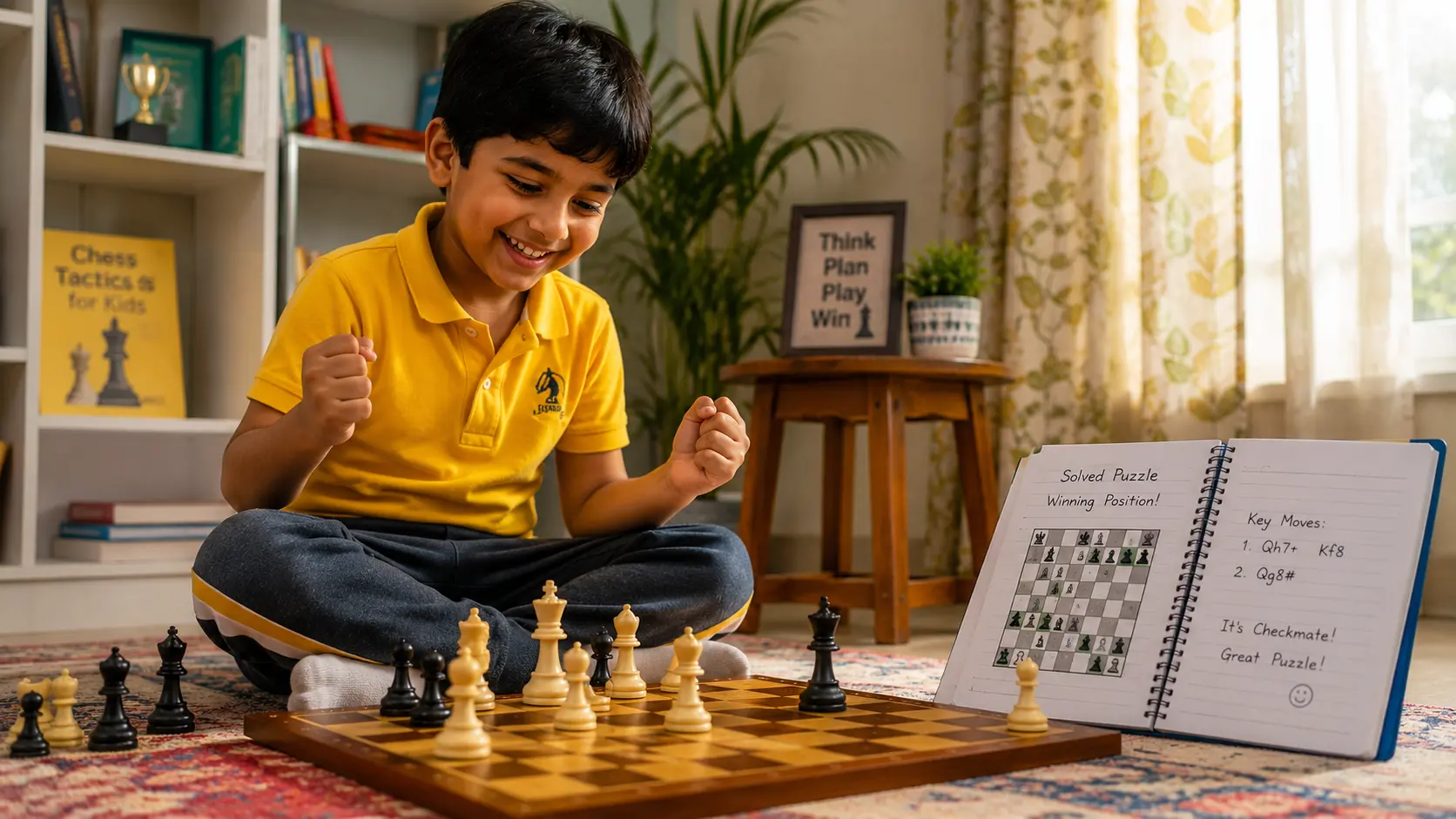
Book Your Free Demo Class
Looking for structured, expert-led chess coaching for your child? Brainiac Chess Academy offers live online chess classes designed to help students build confidence, focus, and strategic thinking right from home.
Physical Academy Location:
Sector 7, Janata Market, Vashi, Navi Mumbai, Maharashtra, India
Phone / WhatsApp: +91 93248 29329
Book Your Free Demo Right NowConclusion
Helping your child build concentration, logical foresight, and decision-making skills does not mean adding stressful commutes to your family's weekly schedule. Enrolling in online chess classes in Kolkata provides young learners with a structured, engaging platform to learn strategic board play under expert guidance right from home. Through live interactive coaching, small batch attention, and regular practice routines, students build mental discipline that supports both their academic growth and personal development. If you want to introduce your child to structured chess learning, book a free demo session with Brainiac Chess Academy today to begin your journey.