What Is the Best Age to Start Learning Chess?
As a parent, you want to give your child every possible advantage in life. You watch them play, learn, and grow, and naturally, you wonder how to best channel their boundless energy and curiosity. In a world increasingly dominated by passive screen time, chess stands out as a powerful tool for intellectual development. But this brings up a very common question: what is the best age to start learning chess?
If you introduce the game too early, will they feel overwhelmed? If you wait too long, will they miss a critical developmental window? These are valid concerns shared by thousands of parents we speak with every year.
In this comprehensive guide, we will explore the ideal timeline for introducing your child to the chessboard. Drawing from years of experience coaching young minds, child psychology insights, and real-world examples, we will help you identify the signs that your child is ready. Whether you are looking into Online Chess Classes or local offline coaching, this article will show you exactly when and how to begin their chess journey.
Why Parents Ask About the Best Age to Start Lea Chess
Before we pinpoint the perfect age, it helps to understand why this question is so prevalent. Parenting today involves balancing early education with preserving the joy of childhood. When considering kids chess training, parents usually face a few primary concerns:
- Screen Time Replacement: Parents are actively seeking productive, brain-stimulating alternatives to video games and tablets.
- Learning Abilities: There is a fear that the complex rules of chess might frustrate a young child whose abstract reasoning is still developing.
- Confidence Building: Parents want to ensure the game builds confidence rather than tearing it down through premature competitive pressure.
- The "Early Bird" Advantage: Many believe that, much like learning a new language or a musical instrument, learning chess early provides a lifelong academic edge.
What Is the Best Age to Start Learning Chess?
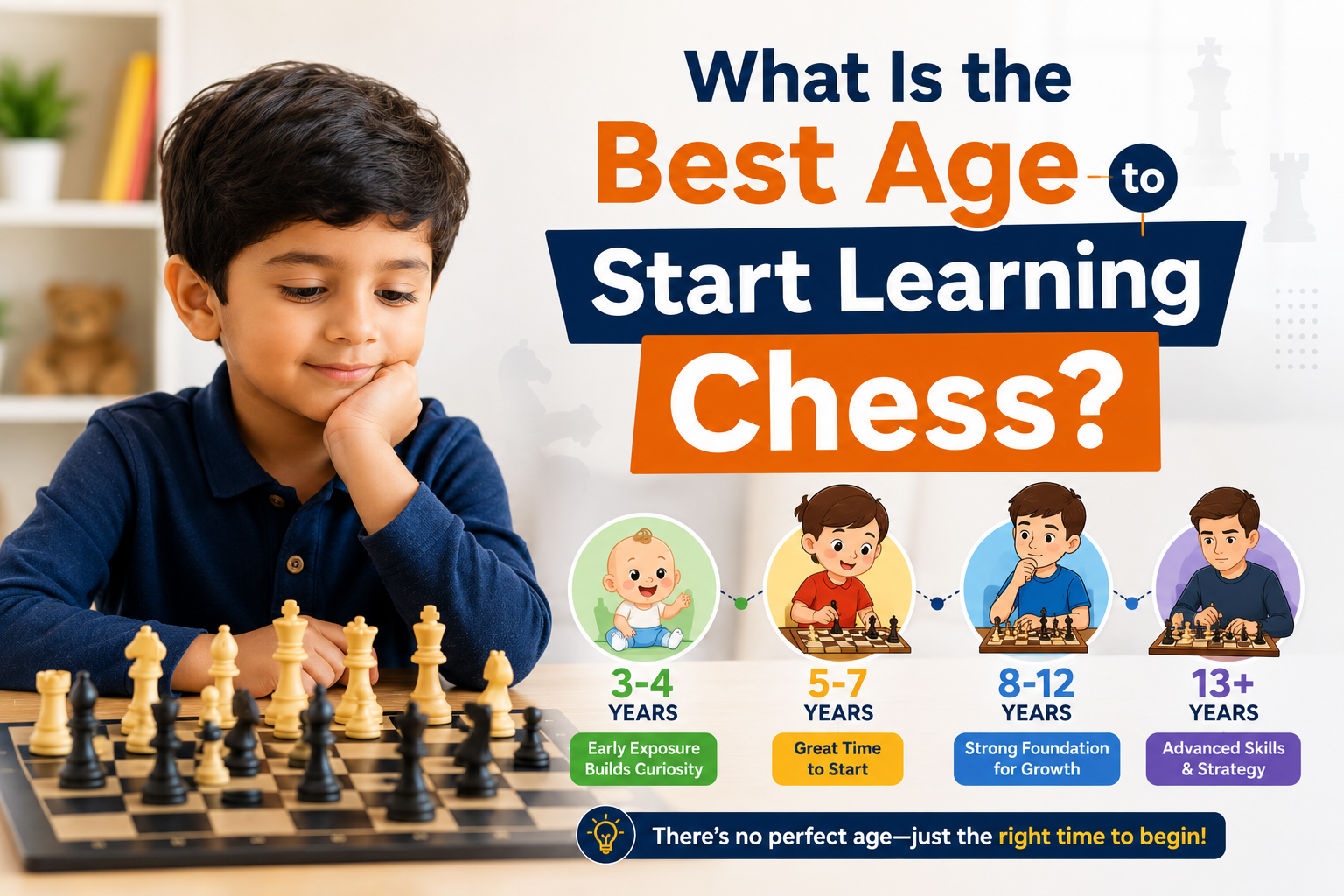
So, what is the magical number? While every child develops at their own unique pace, the general consensus among Grandmasters and child development experts is that the best age to start learning chess is between 6 and 8 years old. However, this does not mean younger or older children shouldn't play! Let’s break down the learning stages by age group.
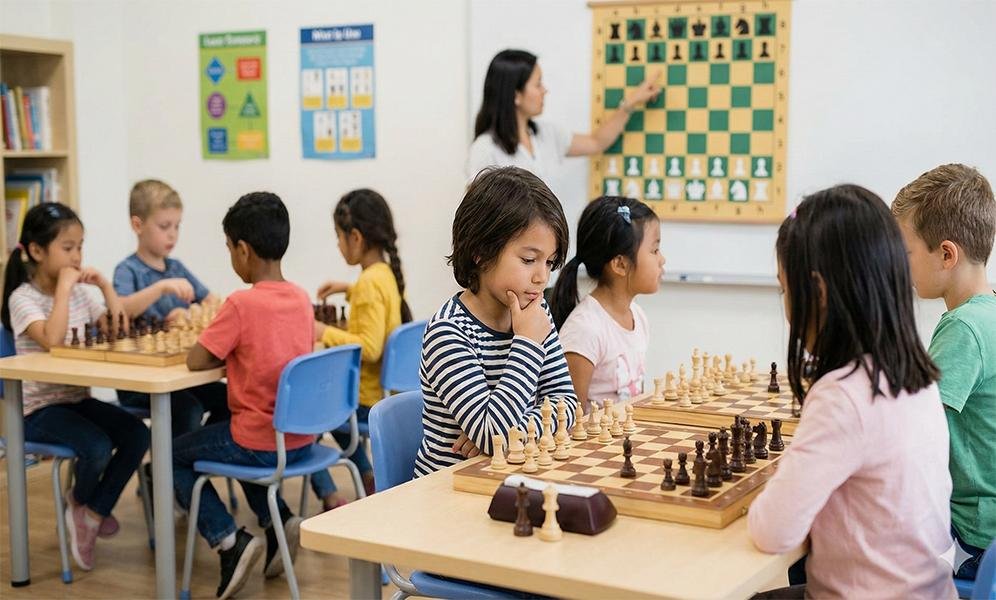
Ages 4–5: The Playful Introduction
Can a 4-year-old learn chess? Yes, but the approach must be highly tailored. At this age, the focus should not be on deep strategy or checkmating the opponent. Instead, kids should learn chess early through storytelling. They can learn piece names, how they move (e.g., "The knight jumps like a horsey"), and the concept of taking turns. It’s about building familiarity and fine motor skills on the board.
Ages 6–8: The Golden Window
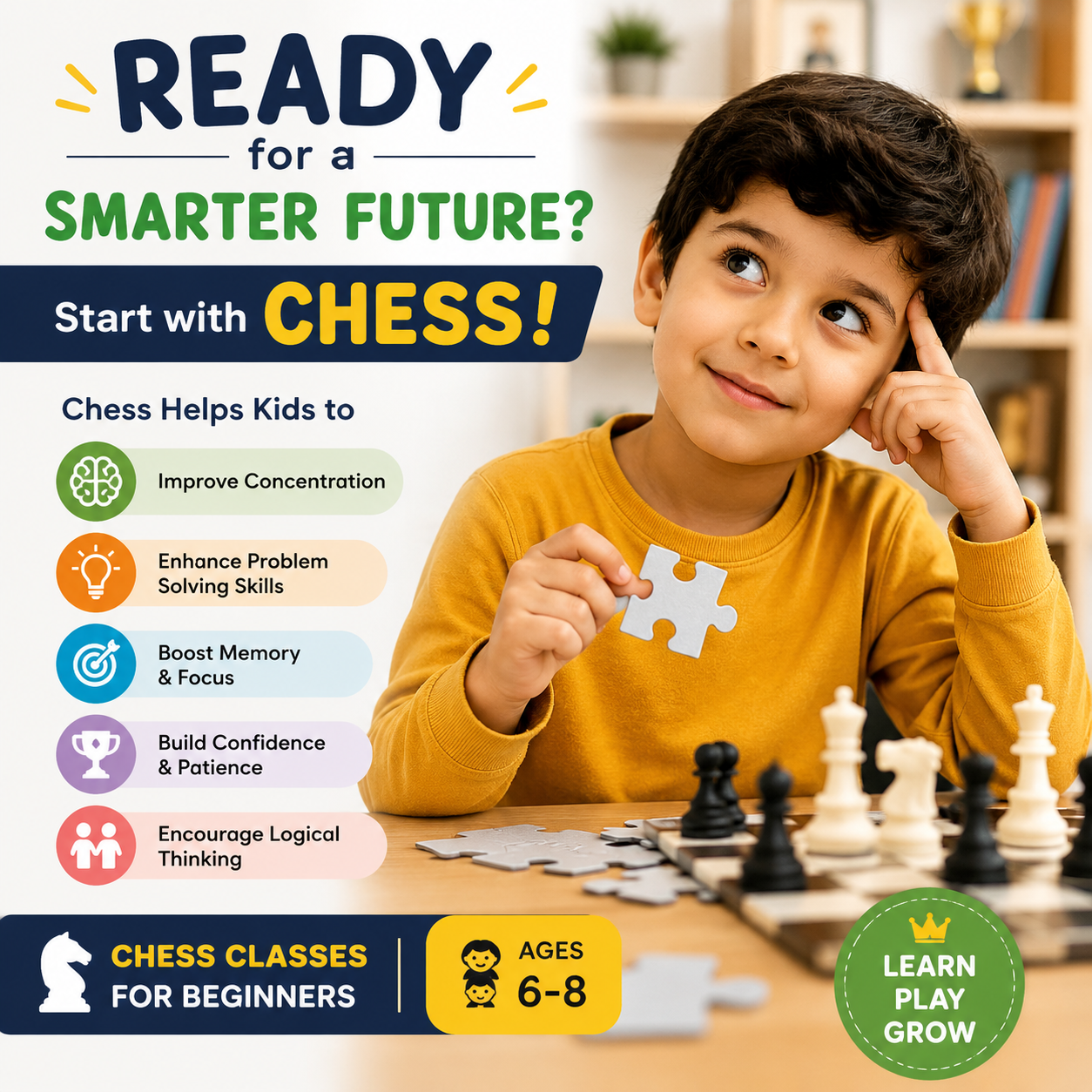
This is widely considered the absolute best age to start learning chess. Children in this age bracket are entering formal schooling. Their attention spans are lengthening, and they are beginning to understand abstract concepts, cause and effect, and logical sequences. They are incredibly receptive to structured chess classes for beginners and can quickly absorb tactical ideas like forks and pins.
Ages 9–12: The Strategic Thinkers
If your child is in this age group, it is certainly not too late. In fact, pre-teens possess advanced critical thinking and spatial awareness compared to younger kids. They can handle longer games, complex opening theories, and deeper calculations. Students starting at this age often progress rapidly because their brains are highly primed for strategic problem-solving.
Teenagers and Adults: It's Never Too Late
While we often focus on kids chess training, the neuroplasticity of the brain allows teenagers and adults to learn chess effectively, too. Starting later simply means leveraging mature analytical skills to grasp the game's complexities. There is truly no "too late" when it comes to chess.
Benefits of Learning Chess Early
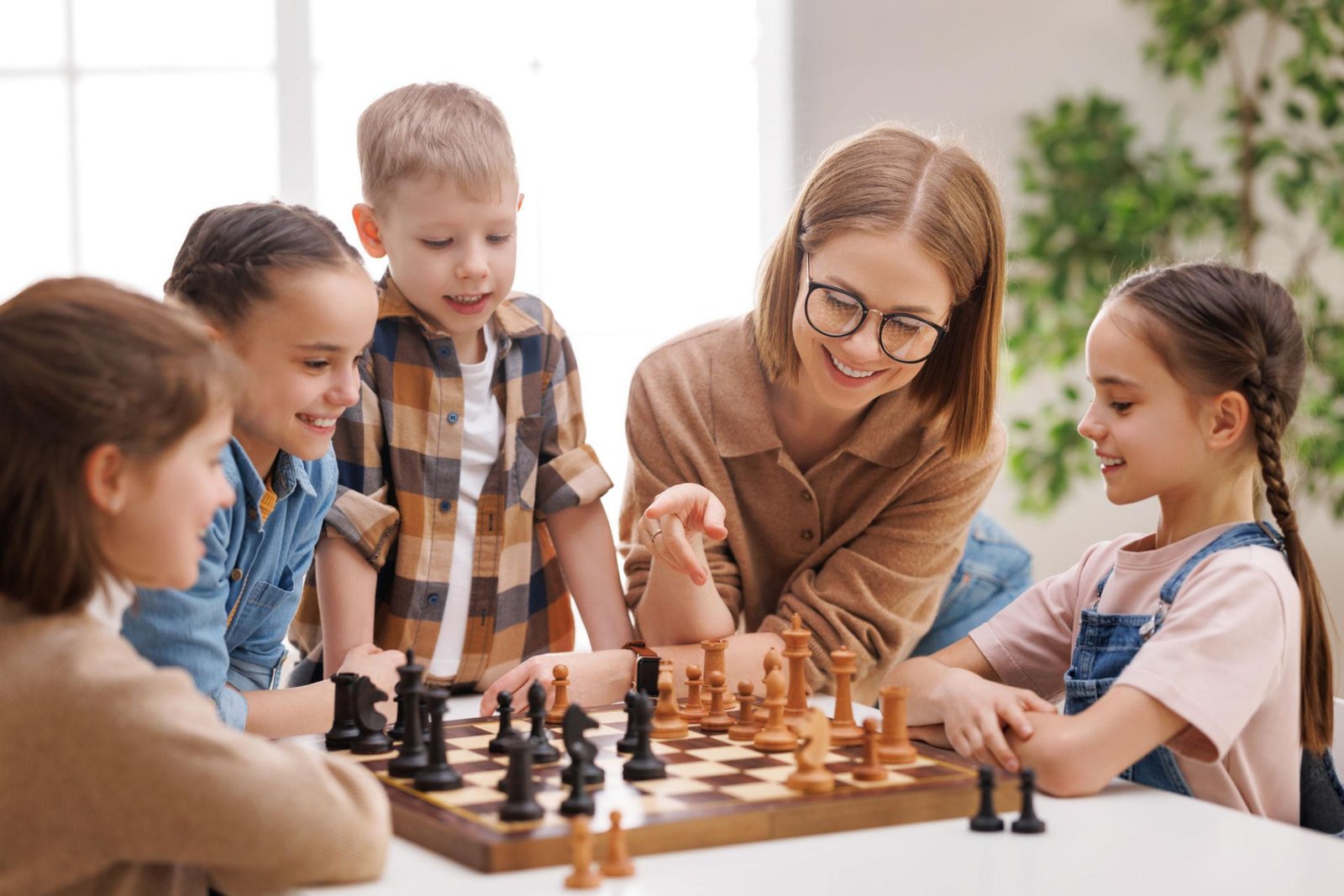
When you learn chess early, the brain undergoes a remarkable workout. Here is how engaging with the 64 squares positively impacts child development, which we have covered extensively in our guide on the Benefits of Chess for Kids.
Improves Concentration
Chess demands focus. A single lapse in concentration can cost a player the game. Regular play naturally extends a child’s ability to sit still and concentrate on a single task, a skill that translates directly to the classroom.
Develops Critical Thinking
Chess is a game of "if-then" logic. "If I move here, what will my opponent do?" This constant evaluation of possibilities trains the brain to think critically and anticipate future outcomes.
Strengthens Memory
Players must memorize rules, opening setups, and patterns from past games. This heavy reliance on visual and working memory strengthens the brain's overall capacity to retain information.
Builds Patience
In a world of instant gratification, chess forces children to slow down. They must patiently wait for their turn, thoughtfully build their position, and wait for the right moment to strike.
Improves Decision Making
Every move in chess is a decision made under pressure. Children learn to weigh their options, commit to a choice, and take responsibility for the consequences of that choice on the board.
Boosts Academic Skills
Numerous studies link regular chess playing to higher scores in mathematics and reading comprehension, largely due to the overlapping skills of pattern recognition, spatial reasoning, and logic.
Signs Your Child Is Ready for Chess
Age is just a number. Readiness is about behavior. Look for these signs before enrolling them in chess classes for beginners:
- Natural Curiosity: They ask questions about the board or want to touch the pieces when they see others playing.
- Attention Span: They can comfortably sit and engage with an activity (like reading or drawing) for 20 to 30 minutes.
- Love for Puzzles: They enjoy jigsaw puzzles, mazes, or Lego building, indicating good spatial awareness.
- Interest in Strategy: They enjoy playing strategic board games like Checkers, Connect 4, or Uno.
- Ability to Follow Instructions: They can understand and execute multi-step directions.
How Parents Can Help Children Learn Chess
Your involvement is crucial, especially in the beginning stages. Here is practical advice for parents:
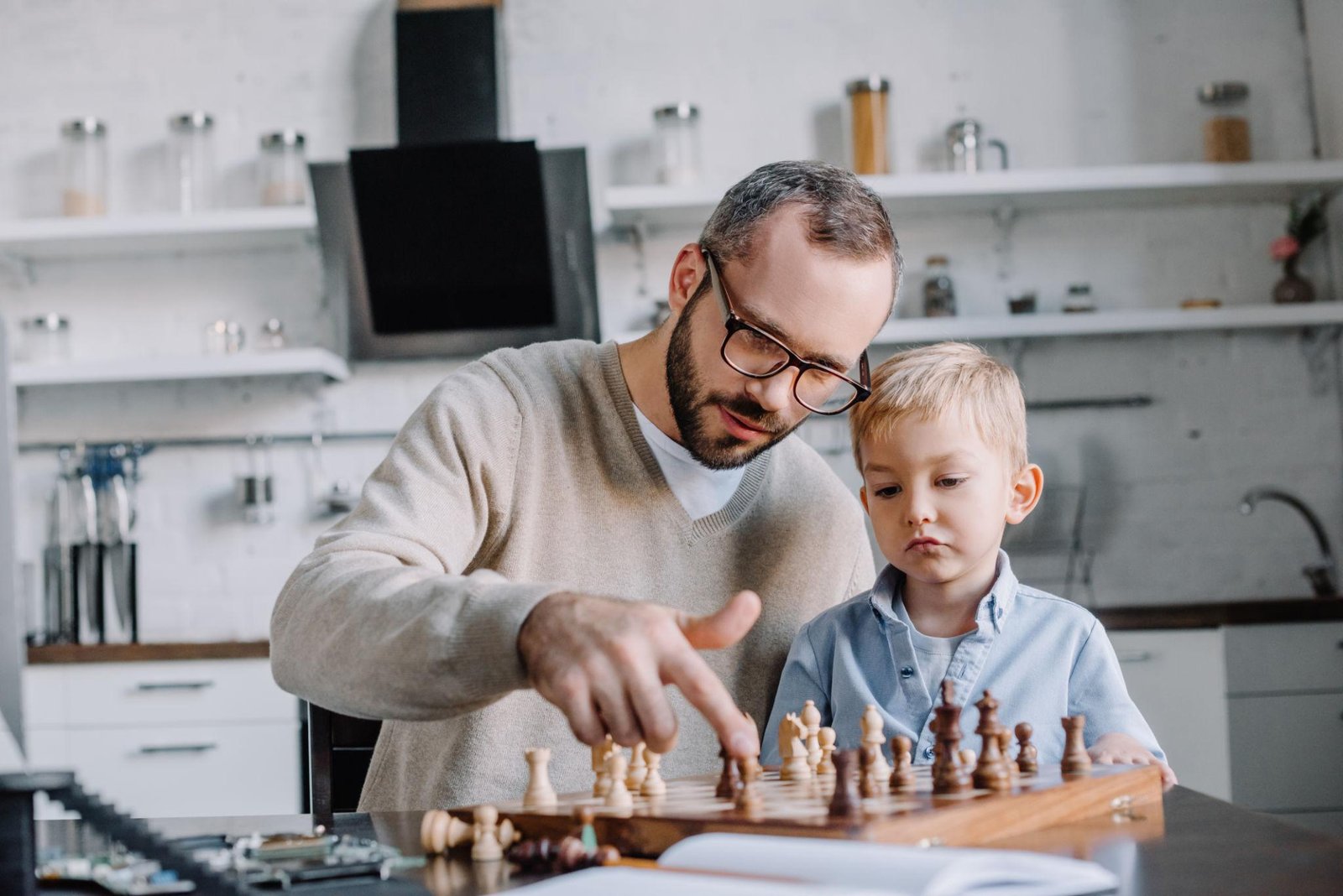
- Keep It Fun: Do not turn the game into a chore. Use mini-games, like playing with only pawns, to teach the basics without overwhelming them.
- Praise the Process, Not the Win: Celebrate a clever idea or a moment of deep focus, regardless of whether they win or lose the game.
- Play Together: Spend 15 minutes playing a casual game. Your shared enthusiasm will fuel their interest.
- Don't Let Them Win Every Time: While you shouldn't crush a beginner, occasionally letting them face defeat teaches emotional resilience and the reality of the game.
Common Mistakes Parents Make
Even with the best intentions, parents can sometimes hinder their child's progress. Avoid these common pitfalls:
- Starting Too Late Because of Myths: Believing chess is "only for geniuses" delays the incredible cognitive benefits the game offers.
- Forcing the Issue: If a child is genuinely disinterested or fatigued, forcing them to play will only create resentment towards the game.
- Focusing Only on Winning: Creating high-pressure environments at a young age leads to burnout. Chess should be a journey of learning.
- Inconsistent Practice: Playing once a month won't yield results. Consistency is key to building neural pathways.
- Choosing the Wrong Coach: Putting a young child with a highly rigid, unengaging coach can kill their passion. This is why specialized kids chess training is essential.
Why Professional Chess Coaching Makes a Difference
While teaching the basics at home is a fantastic start, professional chess coaching elevates a child's understanding from merely moving pieces to true strategic mastery. Organizations like the World Chess Federation (FIDE) recognize the importance of structured learning.
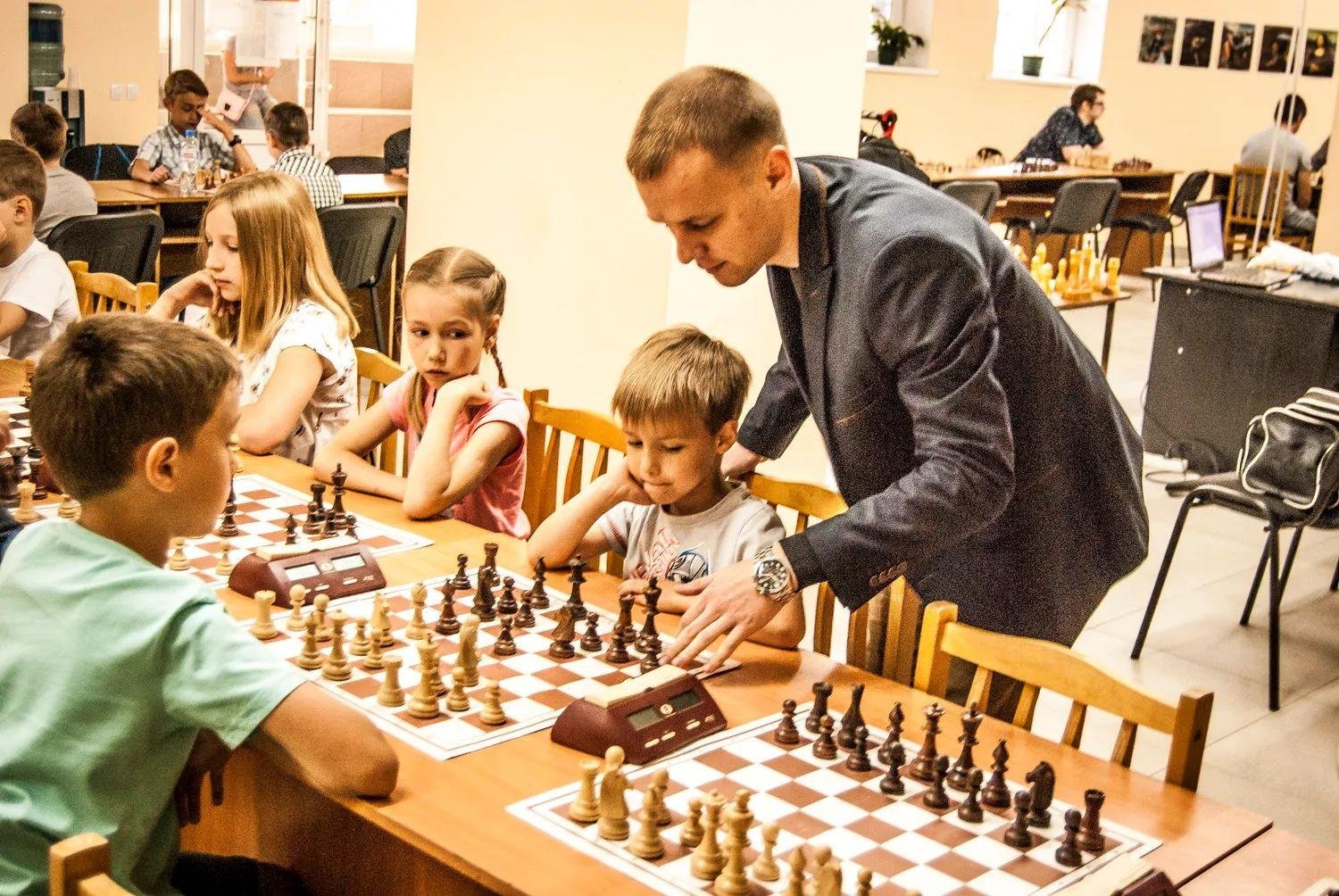
Professional coaching offers a structured curriculum that gradually introduces complex tactics at the right pace. Certified coaches know how to identify a child's weaknesses and provide personalized feedback. Furthermore, as students improve, coaches provide vital tournament preparation, teaching time management and psychological resilience, which is essential as we explore in our article on Why Chess Tournaments Online Are the New Era of Competition.
Why Choose Brainiac Chess Academy?
If you are located in Maharashtra or looking for top-tier remote learning, finding the right academy is your next step. To learn more about our philosophy, you can visit the About Us page. We are proud to be a trusted name for parents seeking holistic development through chess.
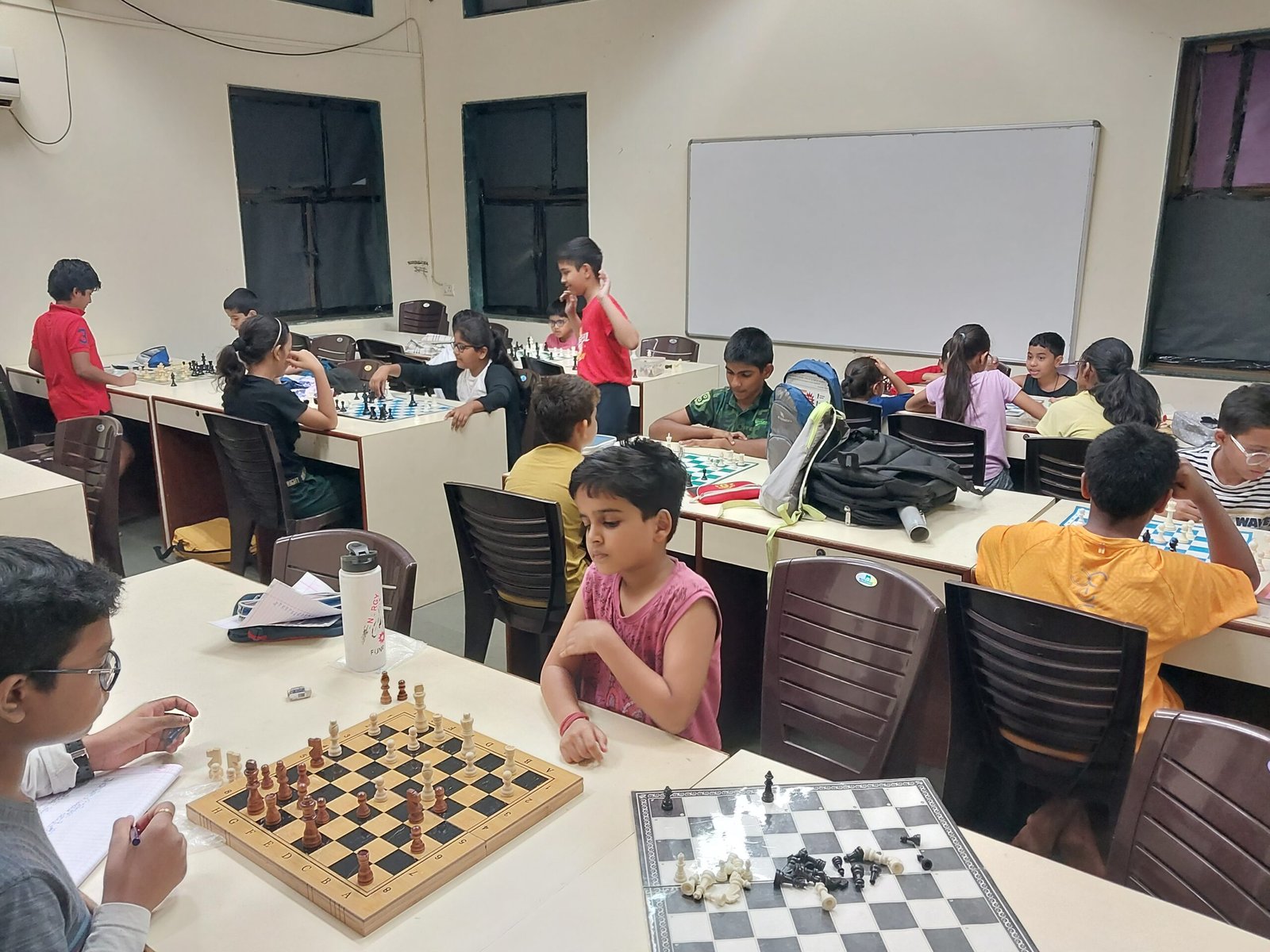
At Brainiac Chess Academy, we offer:
- Experienced Coaches: Our trainers specialize in kids chess training, knowing exactly how to keep young minds engaged.
- Small Batch Sizes: We ensure that every student receives the personalized attention they need to thrive.
- Flexible Formats: We offer engaging Chess Courses, comprehensive online chess classes, and hands-on offline chess coaching.
- Tournament Preparation: For students ready to compete, we provide the rigorous training required to succeed locally and nationally.
Book Your Free Demo Class
Looking for the right place to begin your child's chess journey? You don't have to navigate it alone.
Brainiac Chess Academy offers structured Kids Chess Training through both online and offline classes with experienced coaches. We are proud to be Brainiac Chess Academy: The Ultimate Destination for Online Chess Learning as well as a premier local hub.
📍 Location: Sector 7, Janata Market, Vashi, Navi Mumbai, Maharashtra
📞 Call or WhatsApp: +91 9324829329
👉 Book Your Free Demo Right NowFrequently Asked Questions
What is the best age to start Learning chess?
Can a 4-year-old learn chess?
Is 6 too late to learn chess?
Does chess improve IQ?
How many classes per week are recommended?
Should beginners learn online or offline?
How long does it take to learn chess?
Are chess tournaments important?
Conclusion
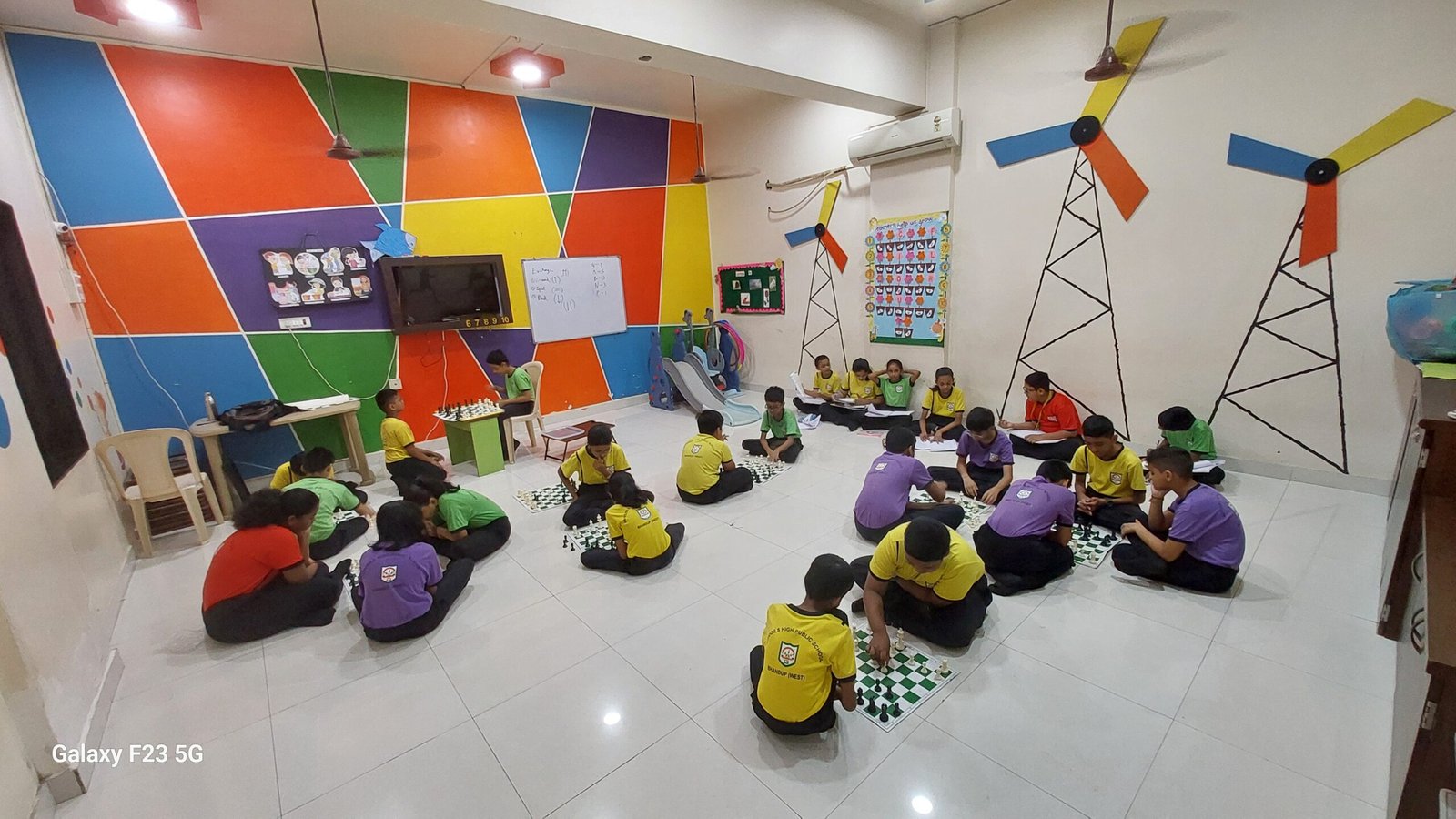
Determining the best age to start learning chess ultimately depends on your child’s individual readiness, curiosity, and attention span. While the golden window sits between ages 6 and 8, the truth is that the cognitive, emotional, and academic benefits of the game can be unlocked at almost any age. Whether they are 5 years old and playing with pawns or 12 years old and calculating complex mating nets, the skills they develop on the chessboard will serve them throughout their lives.
The most important step is simply taking the first one. Don't wait for the "perfect" moment. Introduce them to the game, keep it fun, and let their natural intellect take the lead. Start your child's journey today by joining the family at Brainiac Chess Academy.