Mistakes Parents Make When Teaching Chess at Home
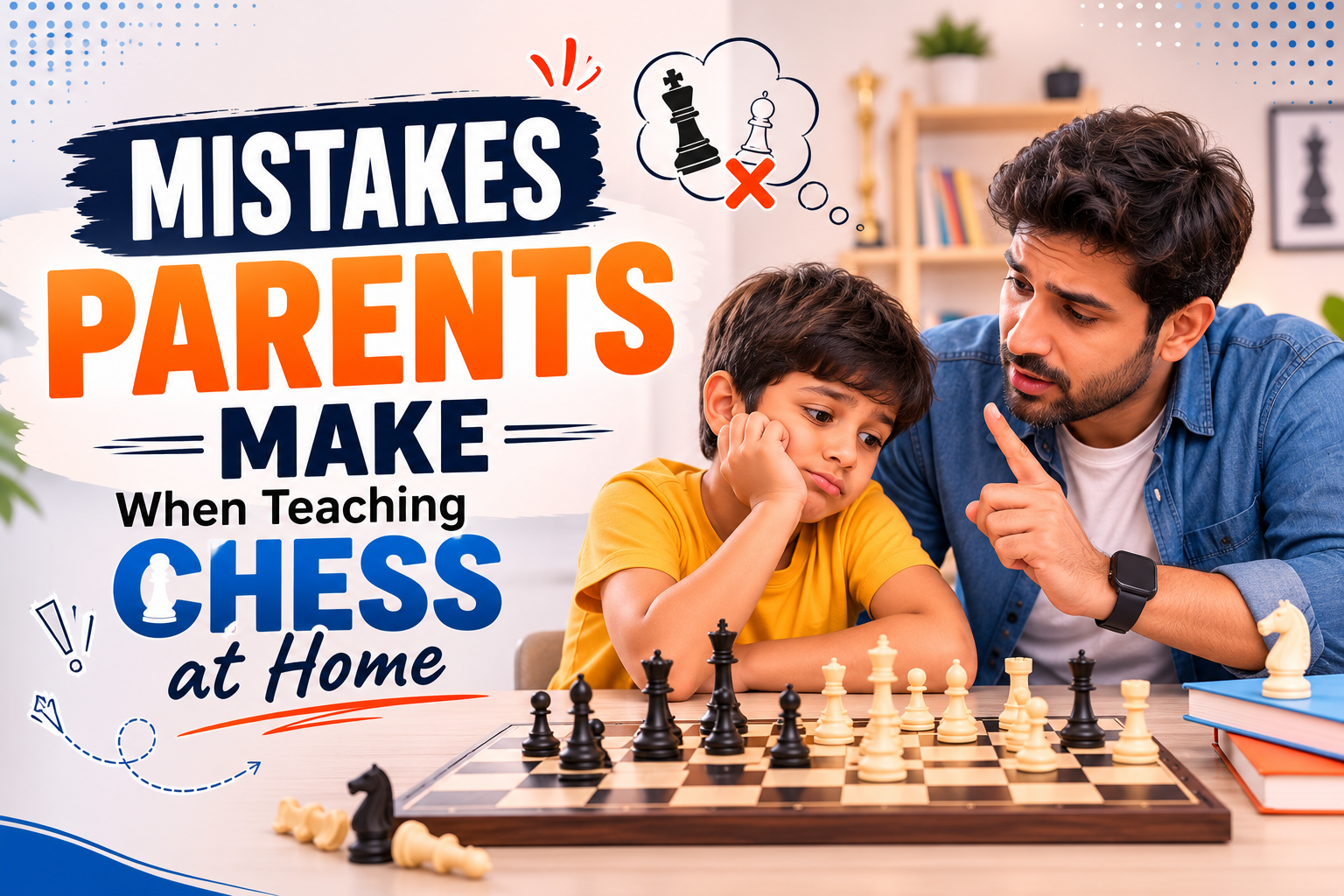
I recently spoke to a well-meaning father who was incredibly frustrated. He had bought a beautiful wooden chessboard, sat his seven-year-old daughter down, and spent two hours explaining the intricate movements of the knight, the concept of castling, and the value of controlling the center. To his surprise, his daughter ended up in tears, declaring she hated the game. This scenario is incredibly common when parents begin Teaching Chess at Home.
As a FIDE-rated chess coach and educator, I completely understand the excitement parents feel. You want your child to develop sharp logical skills, improve their concentration, and reap the incredible Benefits of Chess for Kids. However, enthusiasm alone is not enough. Children require a specific, empathetic approach to learning.
When Teaching Chess at Home, many parents accidentally turn a fun, engaging game into a high-pressure academic chore. In this comprehensive guide, we will explore the most common pitfalls parents encounter. More importantly, you will learn practical, stress-free solutions to ensure that your child falls in love with the game.
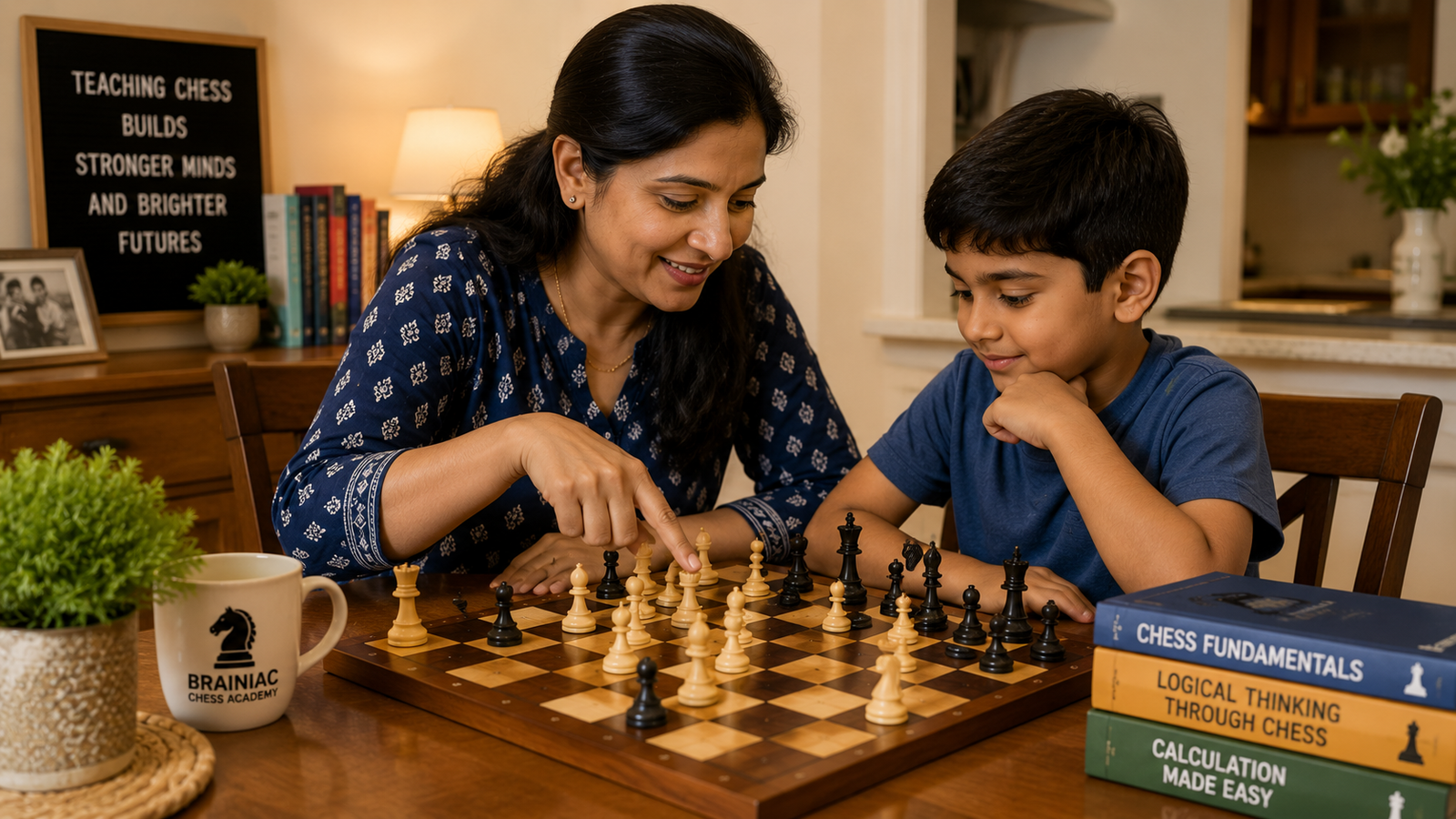
Why Teaching Chess at Home Can Be Challenging
Before we dive into the mistakes, it is important to give yourself some grace. Teaching Chess at Home is genuinely challenging. As parents, we often forget what it feels like to learn something entirely new and complex from scratch.
First, there is the issue of different learning speeds. A child’s brain does not process spatial geometry (like a knight’s L-shape) as quickly as an adult’s brain. Second, parent expectations often misalign with a child’s developmental stage. You might expect them to foresee a trap three moves ahead, while they are still just trying to remember how the bishop moves.
Finally, there is the challenge of balancing fun and discipline. Without formal coaching experience, it is very easy to blur the lines between being a supportive parent and becoming an overly strict instructor. Finding that sweet spot is the key to successful Kids Chess Practice.
10 Common Mistakes Parents Make While Teaching Chess at Home
Through years of working with families, I have identified a recurring pattern of missteps. Here are the top ten mistakes parents make during Teaching Chess at Home, and how you can easily fix them.
1. Teaching Too Much Too Quickly
Why parents make it: We want to get to the "real game" as fast as possible. We explain all the pieces, special rules like en passant, and checkmate in a single sitting.
How it affects children: Cognitive overload. The child becomes overwhelmed, forgets the rules, and feels inadequate.
Practical example: A child tries to move a pawn backward because they cannot remember the 15 different rules you just explained.
How to fix it: Introduce one piece per day. Play mini-games using only pawns, then add rooks the next day.
Coach's Tip
When Teaching Chess at Home, remember the golden rule of coaching: "Less is more." Master the pawn before you ever touch the queen.
2. Expecting Immediate Results
Why parents make it: If a child understands math quickly, parents assume they will instantly grasp chess strategy.
How it affects children: It creates performance anxiety. The child feels they are disappointing you if they lose their queen.
Practical example: Sighing or showing visible frustration when your child falls for a simple scholar's mate.
How to fix it: Treat chess as a long-term mental marathon, not a sprint. Celebrate small victories, like remembering to protect a piece, rather than just celebrating checkmates.
3. Correcting Every Single Move
Why parents make it: Parents want to prevent their children from making mistakes and losing pieces.
How it affects children: It destroys their independence. If you tell them what to do every turn, they stop thinking for themselves and just wait for your instruction.
Practical example: Saying, "No, don't move that, move your knight instead," before they even take their hand off the piece.
How to fix it: Let them make the mistake! A lost queen is a fantastic teacher. Discuss the mistake *after* the game, not during.
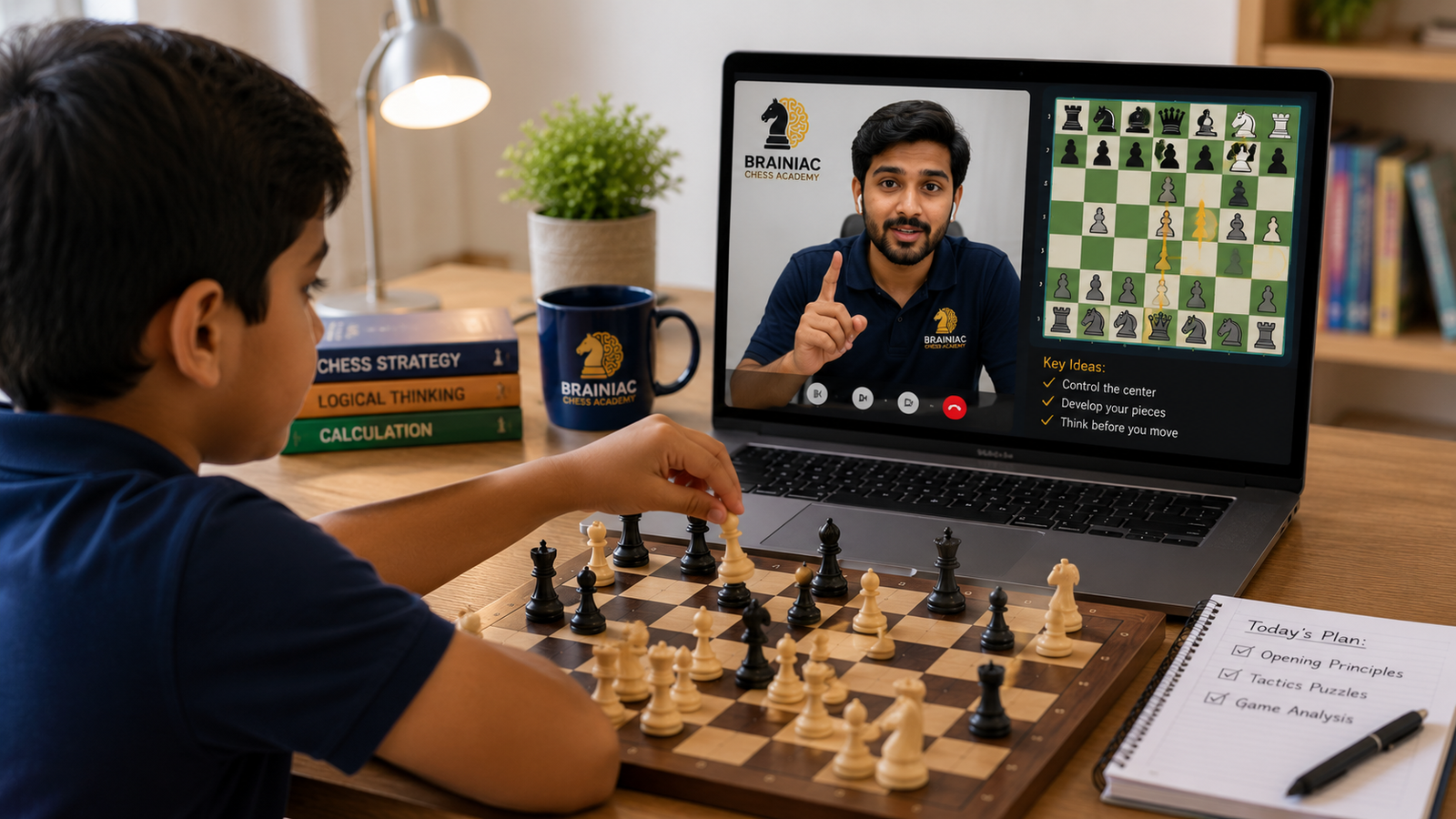
4. Ignoring Fun and Enjoyment
Why parents make it: Treating chess strictly as an IQ-building tool rather than a game.
How it affects children: The child begins to view chess as homework, leading to resistance and resentment.
Practical example: Forcing a child to sit through a boring 45-minute lecture on opening theory.
How to fix it: Make Kids Chess Practice playful. Give the pieces funny voices, create imaginative stories about the king defending his castle, and keep laughter at the table.
5. Playing Only to Win
Why parents make it: Some parents believe that constantly crushing their child will "toughen them up."
How it affects children: Losing 20 games in a row to an adult is demoralizing, leading the child to quit entirely.
Practical example: Playing your absolute hardest and capturing every single piece your child has.
How to fix it: Play with a handicap (e.g., play without your queen). Alternatively, flip the board halfway through the game so the child gets to play the winning side.
6. Skipping Chess Basics
Why parents make it: Assuming basic concepts like board coordinates or piece values are "too boring."
How it affects children: It creates massive gaps in their foundation, making advanced concepts impossible to learn later.
Practical example: Trying to teach a child a fork tactic when they do not even know how many points a rook is worth.
How to fix it: Spend ample time on the fundamentals. Use Beginner Chess Lessons to ensure they know piece values and basic checkmating patterns.
7. Not Creating a Practice Routine
Why parents make it: Relying on spontaneous, random play rather than structured learning.
How it affects children: Inconsistent practice prevents muscle memory and pattern recognition from forming.
Practical example: Playing for three hours on a Sunday, and then not touching the board for a month.
How to fix it: Consistency is the secret to Teaching Chess at Home. Create a solid Chess Practice Routine of 15 minutes a day, rather than one massive weekly session.
8. Comparing Children with Others
Why parents make it: Seeing a neighbor's child winning trophies and wondering why your child isn't there yet.
How it affects children: It breeds resentment towards the game and damages the child's self-esteem.
Practical example: Saying, "Look at Rohan, he is already playing in tournaments, why can't you focus like him?"
How to fix it: Only compare your child to their past self. Praise them for being better today than they were last week.
9. Ignoring Mistakes Instead of Reviewing Them
Why parents make it: Moving on to the next game immediately because reviewing a loss feels unpleasant.
How it affects children: The child repeats the exact same blunders in every game because they never learned why they lost.
Practical example: Setting up the pieces immediately after a checkmate without discussing the final position.
How to fix it: After every game, ask your child: "What do you think was the turning point?" Reviewing games is a non-negotiable part of Teaching Chess at Home.
10. Avoiding Professional Guidance When Needed
Why parents make it: Believing they can teach the child everything via free online videos.
How it affects children: The child hits a plateau, becomes frustrated by their lack of progress, and stagnates.
Practical example: Refusing to hire a coach even when the child is begging to learn advanced tournament strategies.
How to fix it: Recognize when you have reached your teaching limit. Transitioning them to Intermediate Chess Classes provides the structured curriculum they need to thrive.
Coach's Tip
A good parent knows when to be a teacher, and when to step back and let an expert coach take over. Teaching Chess at Home is the spark; professional coaching is the fuel.
How Parents Can Make Kids Chess Practice More Enjoyable
If you want your child to happily engage in Kids Chess Practice, you have to gamify the learning process. Children do not respond well to dry lectures; they respond to interaction, challenges, and rewards.
Start by introducing "Mini Challenges." Instead of a full game, set up a board where the child has a queen and a king, and you only have a king. Challenge them to checkmate you in under 20 moves. This builds confidence rapidly. Additionally, integrate puzzle solving into their daily Kids Chess Practice. Solving a tactic gives a quick hit of dopamine, making learning addictive.
Finally, host Family Chess Nights. Make some snacks, put on some light music, and play friendly games without keeping score. Positive encouragement and a relaxed atmosphere are the best tools a parent has.
Parent Chess Guide: Best Practices for Home Learning
To help you navigate your journey, I have created a straightforward Parent Chess Guide. Keep these best practices in mind every time you sit down at the board.
| Do This ✅ | Avoid This ❌ |
|---|---|
| Encourage questions about why a move is good or bad. | Criticize mistakes harshly or sigh loudly when they blunder. |
| Celebrate effort and deep thinking, even if it leads to a loss. | Compare children to their siblings or peers who play better. |
| Play regularly in short, 15-to-20 minute focused bursts. | Force long sessions that drain a child's mental energy. |
| Review games together to find one lesson from each match. | Focus only on winning as the sole metric of success. |
Following this Parent Chess Guide ensures that your home environment remains a safe space for intellectual exploration.
How to Build a Weekly Learn Chess at Home Routine
Consistency beats intensity. If you want your child to truly Learn Chess at Home, they need a predictable schedule. Below is a realistic 7-day practice schedule that takes less than 20 minutes a day, ensuring they Learn Chess at Home without feeling overwhelmed.
| Day | Activity | Duration |
|---|---|---|
| Monday | Chess Puzzles: Solve 5 simple tactical puzzles online or from a workbook. | 15 Mins |
| Tuesday | Mini Games: Play a "Pawns Only" game to understand pawn structure. | 15 Mins |
| Wednesday | Opening Basics: Review the principles of controlling the center. | 20 Mins |
| Thursday | Review Games: Look at a grandmaster game or review a past mistake. | 15 Mins |
| Friday | Endgame Practice: Practice King & Rook vs King checkmates. | 20 Mins |
| Saturday | Family Match: Play a full, un-timed friendly game with a parent. | 30 Mins |
| Sunday | Fun Chess Quiz: A lighthearted verbal quiz on piece values and rules. | 10 Mins |
Signs Your Child Is Ready for Professional Chess Coaching
There comes a point in every young player's journey where Teaching Chess at Home is no longer enough to satisfy their curiosity. Recognizing this transition is crucial for their continued growth.
If your child is consistently beating you, or asking deeper questions about opening theory that you cannot answer, it is time for an upgrade. Furthermore, if they express interest in joining school tournaments or show a plateau in their skill level despite regular practice, professional intervention is necessary. Moving them into Advanced Chess Classes will provide the tactical rigor they crave.
Why Choose Brainiac Chess Academy?
When you transition from Teaching Chess at Home to seeking formal education, you need a partner you can trust. At Brainiac Chess Academy, we understand the delicate balance of nurturing a child's love for the game while pushing them to achieve excellence.
Our Experienced Coaches are dedicated to Personalized Learning. We do not use a one-size-fits-all approach. Whether your child needs gentle guidance in our Beginner-Friendly Curriculum or rigorous Advanced Chess Training, we have a structured path for them.
We offer both Online Classes and Offline Classes with Small Batch Sizes to ensure every student receives individual attention. Located conveniently in Navi Mumbai, our academy provides comprehensive Tournament Preparation and ongoing Parent Support, ensuring you remain an active part of your child's chess journey.
Book Your Free Demo Class
Whether your child is just starting or already enjoys playing, expert guidance can make learning more structured, enjoyable, and effective. Brainiac Chess Academy offers personalized online and offline coaching for children of all skill levels.
📞 Contact Us: +91 9324829329
👉 Book Your Free Demo Right Now
Frequently Asked Questions
Can parents teach chess without being experts?
What is the best age to start chess?
How often should children practice?
How long should a practice session last?
Should children play online?
How do I motivate my child?
When should I hire a chess coach?
Can chess improve concentration?
Conclusion
The journey of Teaching Chess at Home is one of the most rewarding educational experiences you can share with your child. By avoiding common mistakes like expecting immediate results, correcting every move, or ignoring the fun aspect of the game, you create a nurturing environment where your child's intellect can truly blossom.
Remember, your primary goal is not to produce a Grandmaster in a week. Your goal is to use chess as a tool to teach patience, resilience, and structured thinking. Equip yourself with a good Parent Chess Guide, maintain a consistent routine, and most importantly, remember to smile and laugh during the games.
When the time comes to elevate their game to the next level, Brainiac Chess Academy is here to help. Let us transform their home-learned basics into sharp, competitive skills. Reach out today and give your child the gift of structured, expert coaching!