Why Kids Should Learn Chess | Benefits for Every Child
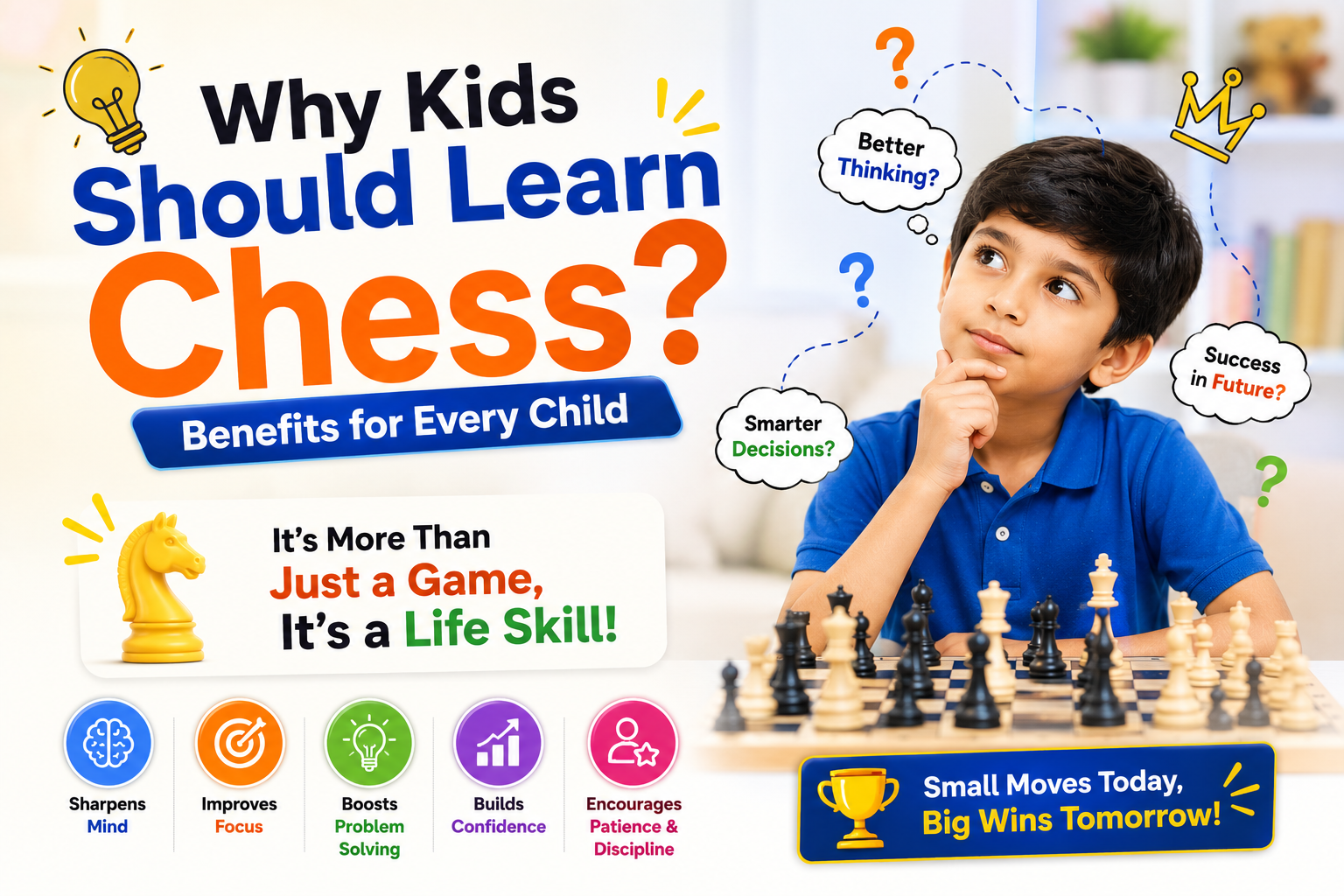
As a parent, watching your child grow in today's fast-paced world can be incredibly rewarding, but it also comes with deep concerns. With the endless scroll of smartphones, the instant gratification of video games, and shrinking attention spans, families are desperately searching for activities that ground their children. If you find yourself asking why kids should learn chess, you are already on the right path toward finding a meaningful solution.
For centuries, the royal game has been revered not just as a pastime, but as a profound gymnasium for the developing brain. Understanding why kids should learn chess is about looking past the wooden pieces and recognizing the game as a powerful tool for building resilience, sharpening focus, and nurturing emotional intelligence.
In this comprehensive guide, written from the perspective of experienced educators and child development specialists, we will uncover the deep-rooted benefits of this ancient game. You will discover exactly why kids should learn chess to thrive academically, how it shapes their character, and how to introduce them to formal Chess Education successfully. Let us explore how a simple 64-square board can completely transform a child's approach to learning and life.
Why Kids Should Learn Chess in Today's World
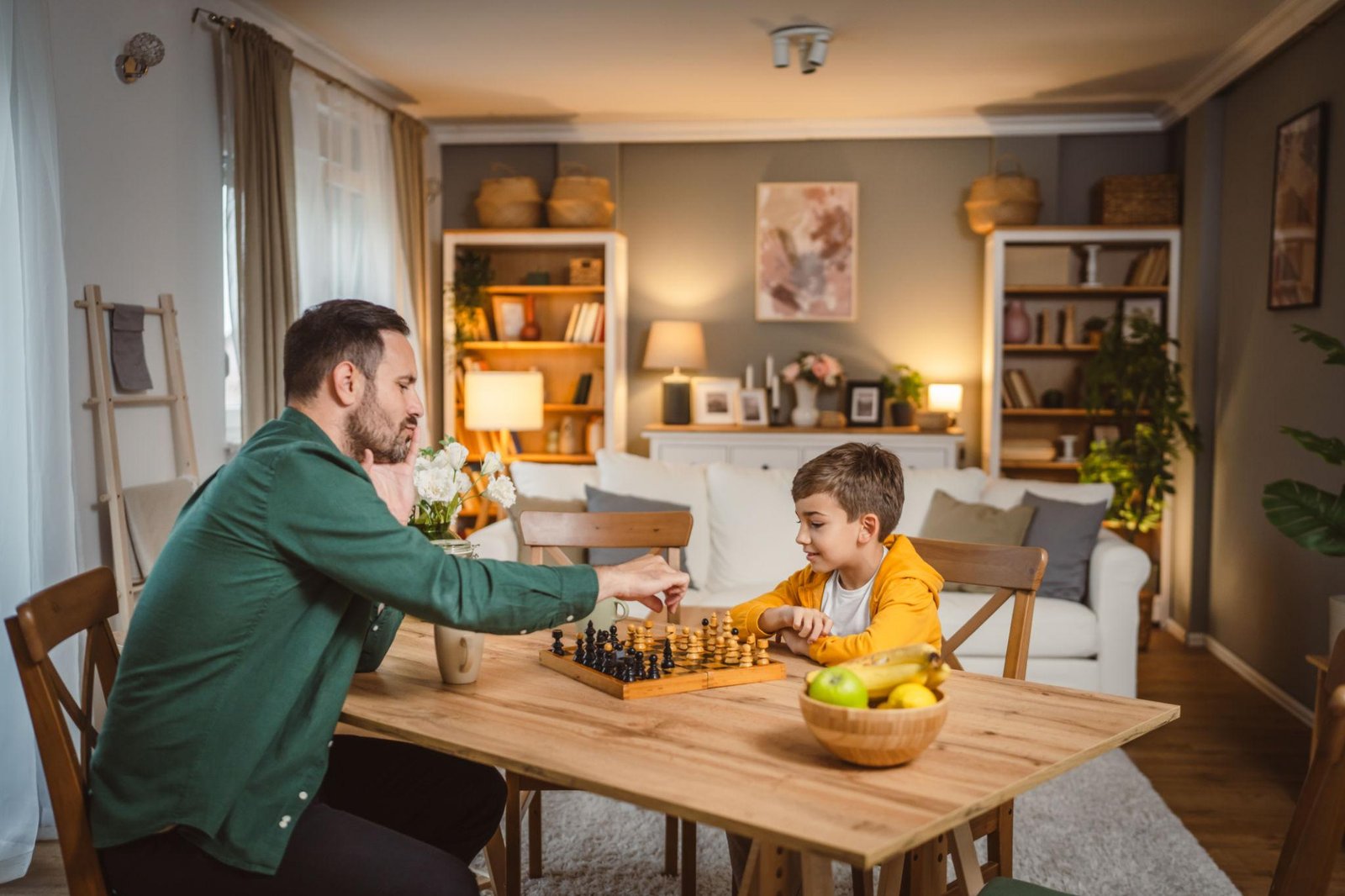
Before diving into the academic perks, we must address the environment our children are growing up in. Today's youth are bombarded with digital distractions. When everything is available at the swipe of a finger, the concepts of delayed gratification and sustained effort are often lost. This environmental shift is a primary reason why kids should learn chess in the modern era.
When a child sits down to play a game of chess, the glowing screens disappear. They are required to sit still, observe quietly, and engage in deep critical thinking. There are no flashing lights to reward a good move; the reward is the strategic advantage they built independently. This shift from passive consumption to active, independent learning is vital.
Furthermore, deciding why kids should learn chess involves looking at emotional intelligence. Every time a child makes a move, they must take ownership of that decision. If they make a blunder, they cannot blame a teammate or a referee. They learn to process frustration, adapt to new problems on the fly, and build the confidence required to trust their own decision-making process. These are the exact skills that modern employers and universities look for in young adults.
💡 The Modern Child's Brain
Educational psychologists note that activities requiring sustained attention for more than 20 minutes physically strengthen the brain's neural pathways related to focus. Chess is one of the few enjoyable activities that naturally demands this level of prolonged concentration.
How Chess Supports Child Development
When parents ask educators why kids should learn chess, the conversation inevitably turns to cognitive growth. Chess for Child Development is not a new concept; it is a scientifically backed approach to enhancing brain function. Let us break down how the game supports vital developmental milestones.
Improves Concentration and Focus
Perhaps the most famous answer to why kids should learn chess is its ability to radically improve focus. A single game requires a child to remain engaged, constantly evaluating the board. If their mind wanders, they lose their pieces. This immediate feedback loop trains children to filter out external noise and concentrate entirely on the task in front of them—a skill that directly transfers to studying for exams.
Builds Logical Thinking
Chess is pure logic. "If I move my knight here, my opponent will respond by moving their bishop there." This sequential, "if-then" thought process is the foundation of computer programming, mathematics, and advanced scientific reasoning. Chess for Child Development relies heavily on teaching kids to connect cause and effect.
Strengthens Memory
To become proficient, a child must remember opening principles, tactical patterns, and past mistakes. This constant exercise of recalling information under pressure expands both their short-term working memory and long-term retention capabilities. If you wonder why kids should learn chess before starting middle school, it is precisely to build this memory capacity.
Encourages Problem Solving
Every chess game presents a unique puzzle that has never been played exactly the same way before. When a child's king is under attack, they must pause, evaluate their resources, and invent a solution to survive. This teaches them not to panic when faced with unexpected life challenges.
Develops Patience and Discipline
You cannot rush a good chess game. Acting on impulse usually leads to a quick defeat. One major reason why kids should learn chess is that it forces impulsive children to slow down, sit on their hands, and think twice before taking action. Over time, this breeds immense discipline.
Improves Decision Making
There is a clock ticking, and a move must be made. Children learn to weigh multiple options, evaluate the pros and cons of each, and execute a decision with confidence. They learn that doing nothing is not an option, and making a calculated choice is better than freezing in uncertainty.
Boosts Self-Confidence
Imagine a seven-year-old child successfully executing a complex four-move checkmate against an older opponent. The surge of self-esteem is incredible. Because chess is entirely skill-based (with no luck involved), every victory is a direct result of the child's own intellect, deeply boosting their academic confidence.
Teaches Responsibility
In chess, you are the general of your army. If you leave your queen undefended, you face the consequences alone. This teaches profound personal responsibility. It is a brilliant example of Chess for Child Development—teaching kids that their choices dictate their outcomes.
Benefits of Chess for Students
While the psychological growth is impressive, the academic Benefits of Chess for Students are what truly excite teachers and school administrators. There is a reason why schools across the globe are integrating chess into their standard curriculums.
First, the Benefits of Chess for Students in mathematics are well documented. Chess utilizes spatial reasoning, geometry, and arithmetic. A child learning the point value of pieces (a Queen is 9 points, a Rook is 5) is constantly doing mental math to determine if a trade is profitable.
Secondly, reading comprehension naturally improves. To understand complex chess notations and study strategy books, students must read carefully and visualize the text in their minds. Furthermore, the Benefits of Chess for Students extend to time management. Playing with a chess clock teaches students how to allocate their time efficiently—an invaluable skill when sitting for standardized tests or managing homework schedules.
Finally, it enhances creative thinking. While there are rules, the number of possible games is infinite. Students are encouraged to find beautiful, creative combinations to win, proving that the Benefits of Chess for Students cover both the analytical left brain and the creative right brain.
Chess Education Beyond Winning Games
If you ask a grandmaster why kids should learn chess, they will tell you it is not about the trophies. Chess Education is fundamentally about character building.
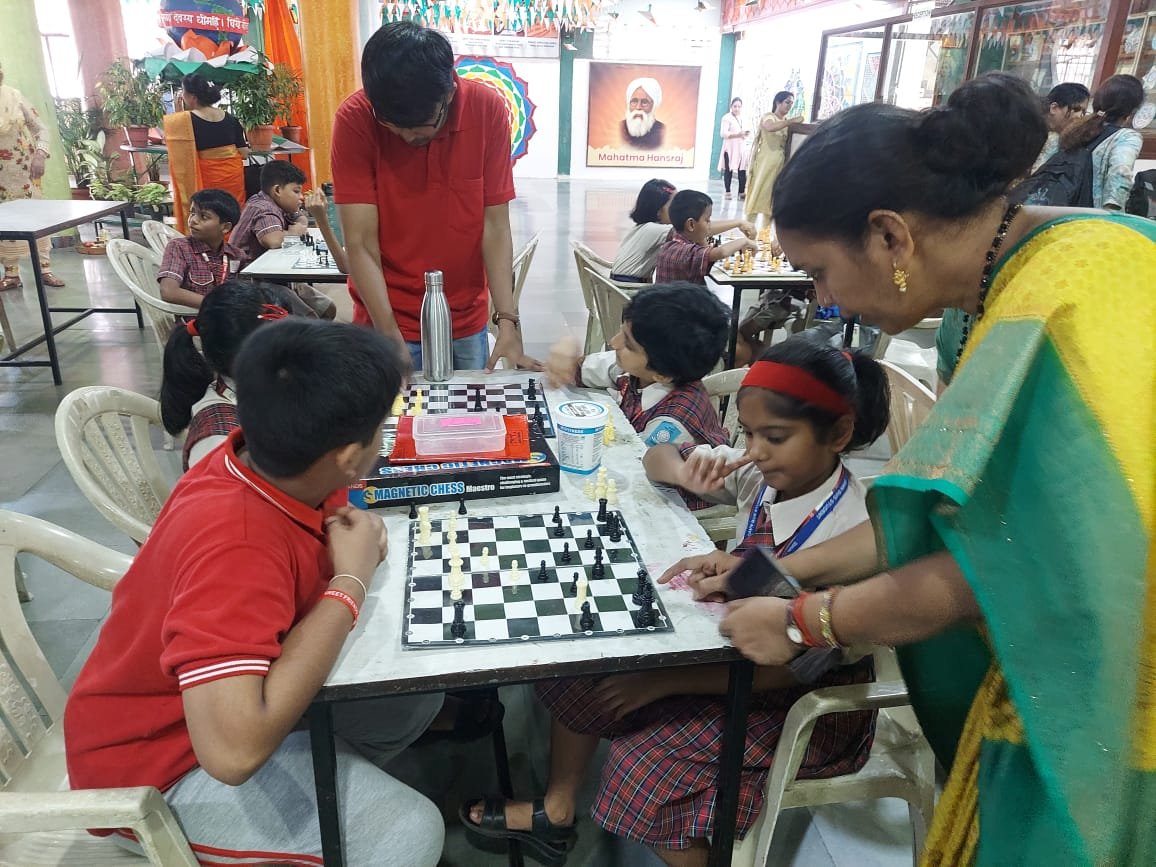
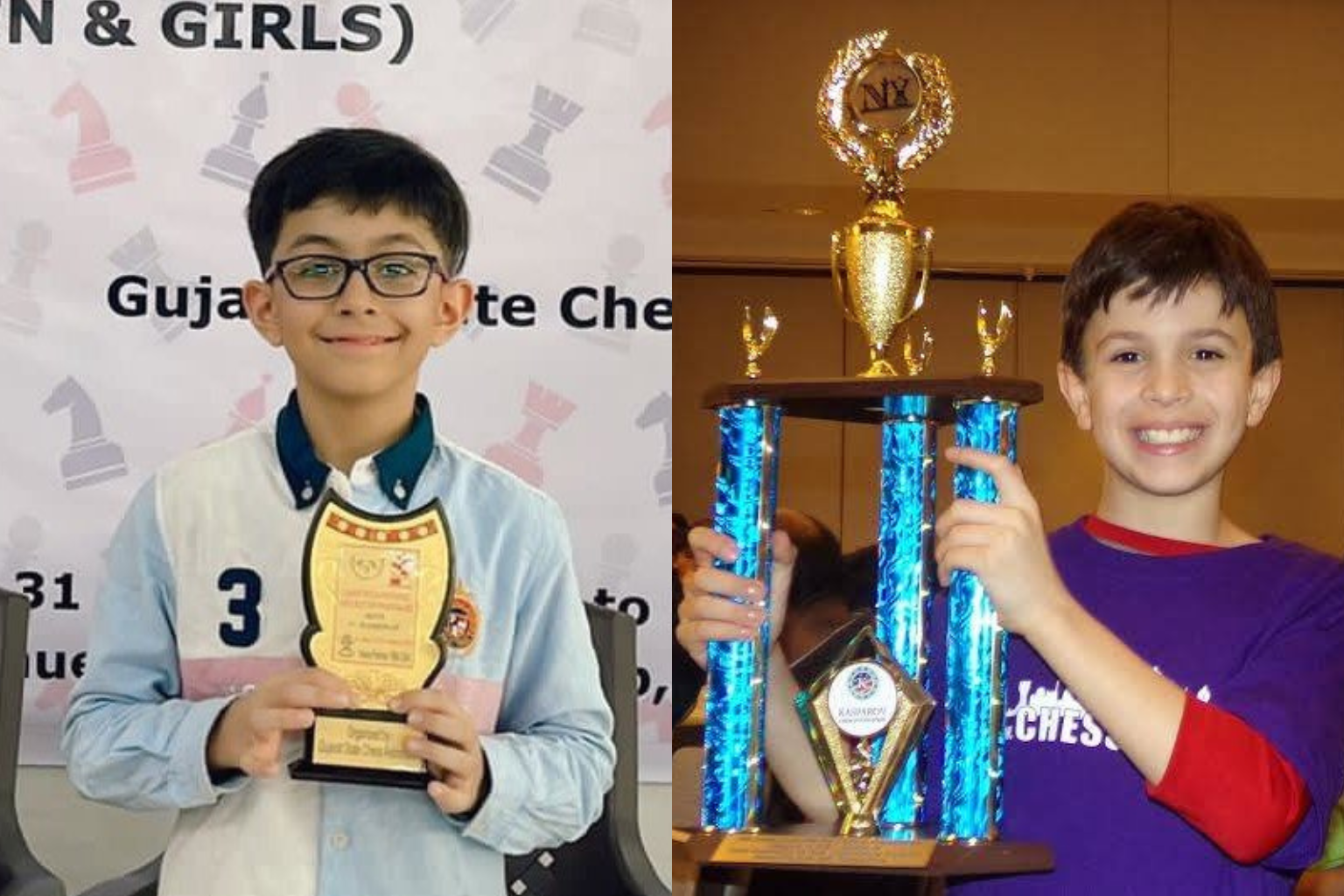
In any given tournament, a child will experience both exhilarating victories and crushing defeats. Chess Education provides a safe environment to experience failure. A good coach teaches a child that losing is simply an opportunity to review the game, find the mistake, and learn from it. This builds incredible emotional resilience.
Additionally, Chess Education enforces strict sportsmanship. Players must shake hands before and after a match, regardless of the outcome. They must remain completely silent while their opponent thinks. This level of respect and decorum is rare in modern sports, making structured Chess Education a masterclass in manners and emotional control.
Signs Your Child Is Ready to Learn Chess
Parents often understand why kids should learn chess, but they wonder *when* to start. While most academies accept children around age 5 or 6, here are the behavioral signs that your child is ready to begin their journey:
- They show a natural curiosity about puzzles, mazes, or building blocks.
- They can sit still and focus on a single activity (like drawing or reading) for at least 15 to 20 minutes.
- They enjoy games that require taking turns and following specific rules.
- They have a competitive spirit and enjoy challenging themselves.
- They frequently ask "why" and show a desire to understand how things work.
How Parents Can Encourage Chess Learning
Once you recognize why kids should learn chess, the next step is fostering that interest without overwhelming them. Here are practical ways parents can nurture a budding chess player:
- Play together: You do not need to be an expert. Let them teach you what they learned in class. It empowers them.
- Limit screen distractions: Dedicate a quiet corner of the house strictly for over-the-board chess practice.
- Celebrate progress, not just wins: Praise them for finding a great move or for sitting patiently, even if they ultimately lost the game.
- Keep it fun: Use chess puzzles as a fun weekend activity rather than a strict chore.
- Choose the right academy: Look for a program like Kid’s Chess Classes: Shaping Young Minds Through Smart Learning that focuses on foundational understanding rather than just tournament pressure.
Common Myths About Chess
Sometimes, parents hesitate to introduce the game because of societal misconceptions. Let us clear up the myths surrounding why kids should learn chess.
Myth 1: Chess is only for gifted or "genius" children.
Truth: Chess actually *creates* smarter children. It is a learned skill, much like playing the piano or riding a bicycle. Any child can learn and benefit from it.
Myth 2: Chess is boring and too slow for modern kids.
Truth: Once a child understands the tactics—like forks, pins, and skewers—the game becomes a thrilling battle of wits. It is highly engaging.
Myth 3: Only boys play chess.
Truth: Chess is completely gender-neutral. Girls benefit equally from the logical training, and the global push for female chess players is stronger than ever. The World Chess Federation (FIDE) actively promotes events for girls worldwide.
Myth 4: It will distract them from their schoolwork.
Truth: The Benefits of Chess for Students prove the exact opposite. The concentration and time management learned on the board translate to faster, more efficient homework completion.
Why Professional Chess Coaching Matters
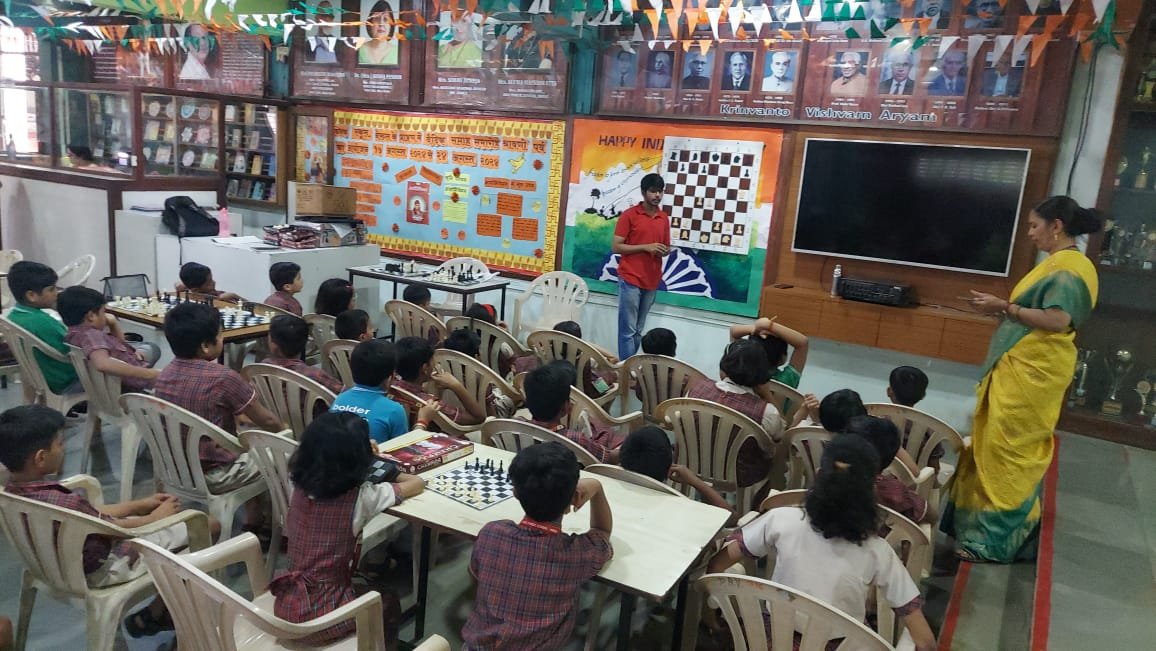
Knowing why kids should learn chess is the first step; knowing *how* they should learn it is the second. While teaching your child the basic moves at home is wonderful, professional coaching is required to unlock the deep cognitive benefits.
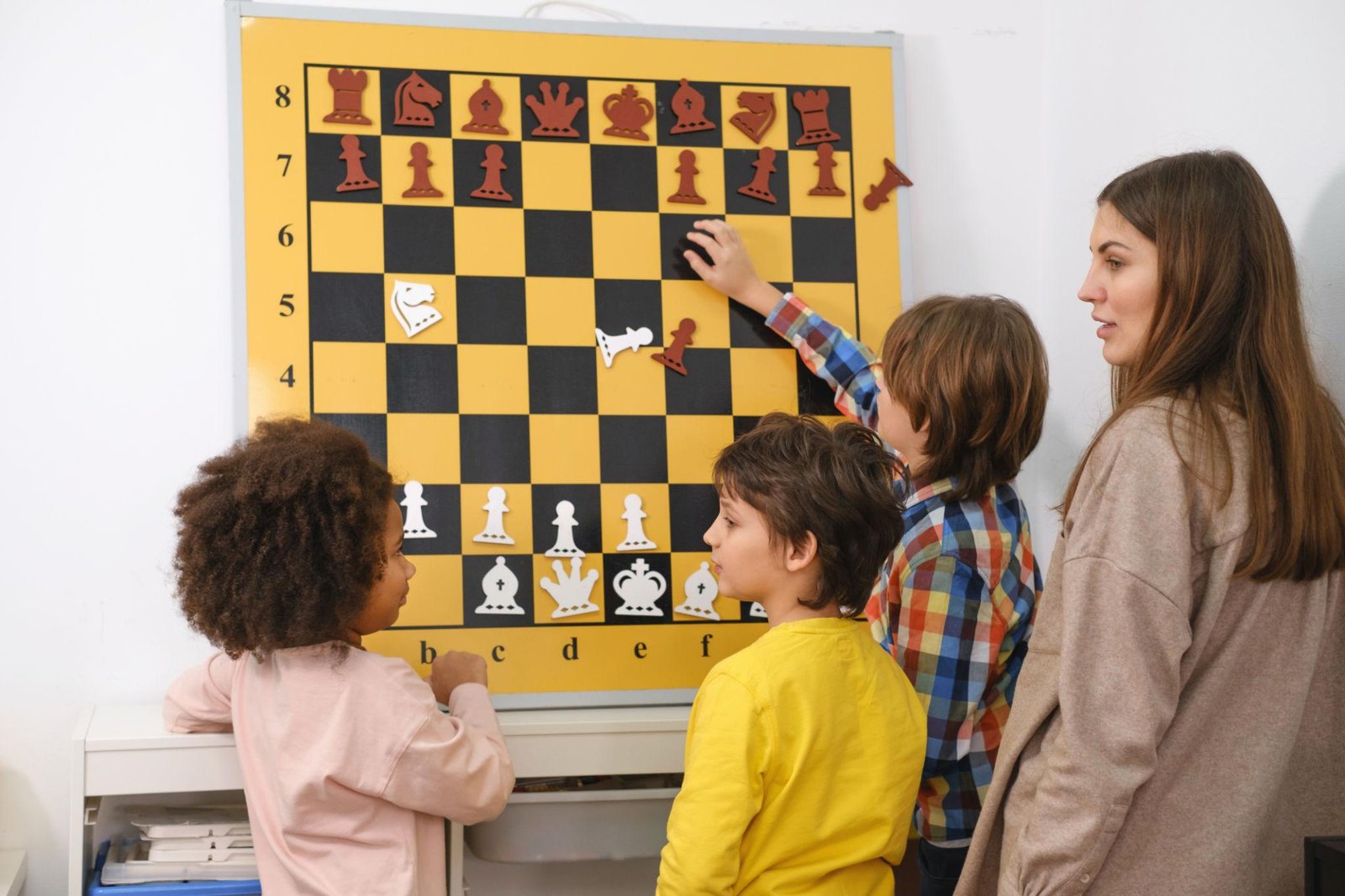
Professional coaches provide a structured curriculum. Instead of playing aimless games, children are taken through a logical progression of opening principles, middle-game tactics, and endgame checkmates. A professional coach provides personalized feedback, identifying a child's specific weaknesses—such as moving too fast or ignoring the opponent's threats—and gently corrects them.
Furthermore, structured academies prepare students for friendly tournaments, teaching them how to handle performance anxiety in a safe, supportive environment. If you want to explore global learning options, check out our International Online Chess Academy.
Why Choose Brainiac Chess Academy?
If you are convinced of why kids should learn chess and are looking for the perfect environment for your child, Brainiac Chess Academy is your trusted partner. We specialize in comprehensive Chess Education tailored specifically for young minds.
We are proud to offer the premier Kids Chess Classes in the region, featuring highly Experienced Coaches who understand child psychology. We keep our Small Batch Sizes strict to ensure every child receives Personalized Coaching and individual attention.
Whether you prefer Online & Offline Coaching, our structured programs guide students from absolute beginners all the way to advanced Tournament Preparation. With Flexible Timings designed for busy parents, we make it easy to integrate the brilliant Benefits of Chess for Students into your family's weekly routine.
Book Your Free Demo Class
Looking for a structured chess program that helps your child grow academically and personally?
Brainiac Chess Academy offers engaging online and offline chess coaching designed to develop confidence, focus, and strategic thinking.
📞 Call / WhatsApp: +91 9324829329
👉 Book Your Free Demo Right Now
Frequently Asked Questions
Why should children learn chess?
Is chess good for brain development?
At what age should kids start chess?
Can chess improve concentration?
Does chess help in school?
How often should children practice?
Are online chess classes effective?
How do I choose the right chess academy?
Conclusion
The question is no longer if the game is beneficial, but rather how quickly parents can introduce it to their children. When we look at why kids should learn chess, we see a beautiful tapestry of cognitive enhancement, emotional growth, and academic preparation. It is far more than a game; it is a lifelong educational tool that equips children to navigate the complexities of the real world with patience and strategic foresight.
As parents, providing your child with the right environment to learn these skills is one of the greatest investments you can make. At Brainiac Chess Academy, we are dedicated to helping your child unlock their full potential through world-class instruction and a deeply supportive community.
Do not wait for your child's focus to develop on its own—cultivate it today. Take the first step in your child's developmental journey and see the transformation for yourself.