How to Prepare for Chess Tournaments | Tournament Guide
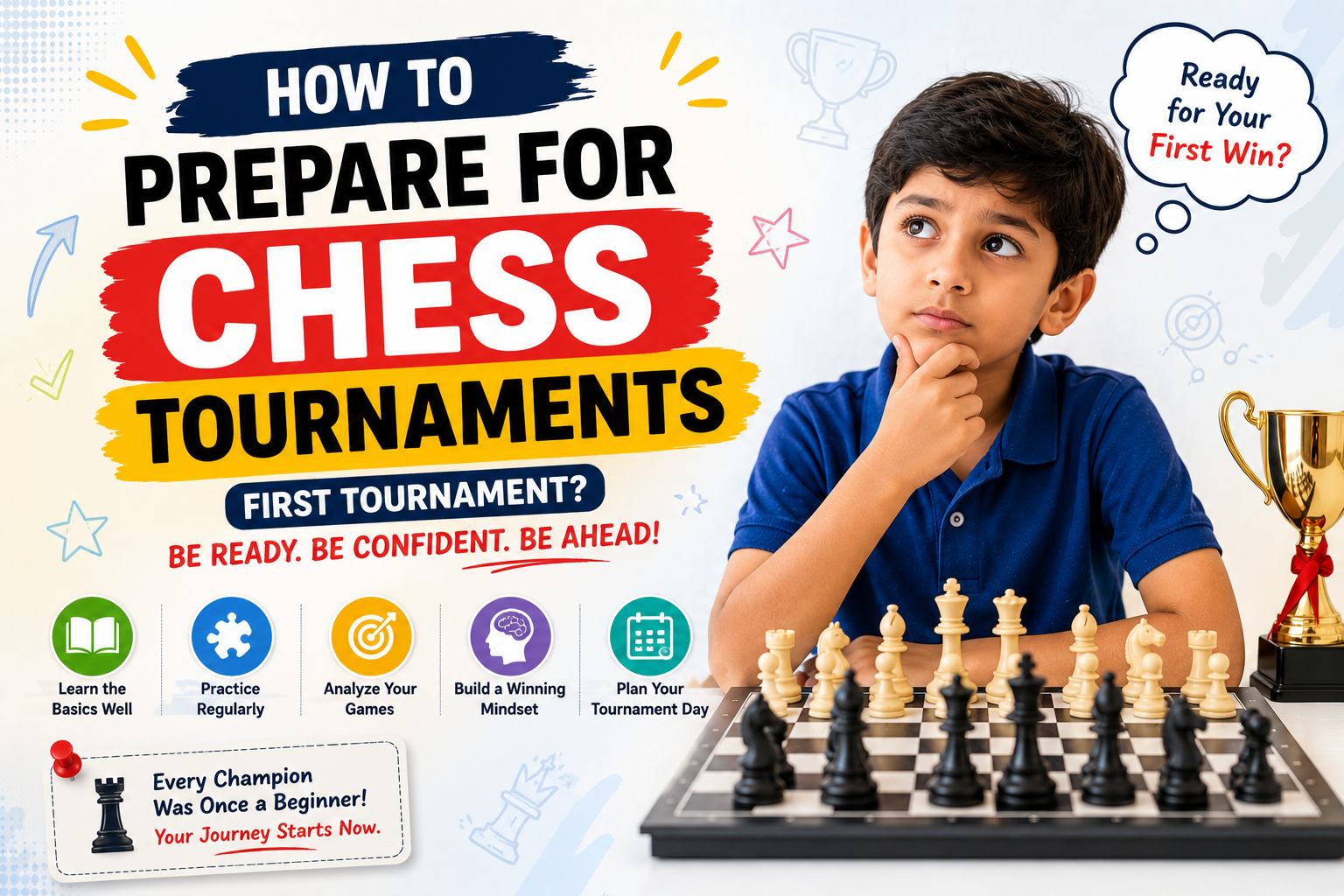
💡 Quick Answer: How to Prepare for Chess Tournaments
The best way to prepare for a chess tournament is to follow a structured training schedule that balances tactical puzzles, opening review, endgame studies, and long time-control practice games. Additionally, optimizing your physical health (sleep and nutrition) and organizing your tournament day equipment in advance will drastically reduce competitive anxiety.
The night before your first major chess tournament can feel overwhelming. Your heart races, your mind cycles through endless opening variations, and the fear of making a massive blunder keeps you wide awake. Every competitive player, from eager school beginners to seasoned grandmasters, knows this feeling intimately.
However, the secret to stepping confidently into the playing hall is not just raw talent—it is structured preparation. If you want to know how to prepare for chess tournaments, you must understand that the real battles are won weeks before you even shake your opponent's hand.
Whether you are entering your first local district event or a state-level championship, this comprehensive guide will give you the exact blueprint used by professional coaches. You will learn how to build a training schedule, master your mental state, manage your time on the clock, and pack the perfect tournament day bag.
Why Tournament Preparation Matters
Many amateur players assume they can just show up on a Sunday morning and play brilliant chess simply because they love the game. Unfortunately, tournament chess is an entirely different beast compared to casual online blitz games. Here is why dedicated preparation is non-negotiable.
- Confidence: When you have drilled your opening lines and practiced your endgames, you sit at the board trusting your own mind. Fear is replaced by readiness.
- Performance: Structured preparation sharpens your tactical vision, allowing you to spot combinations instantly and avoid simple one-move blunders.
- Decision Making: Tournaments require you to make critical decisions under pressure. Preparation trains your brain to evaluate positions logically rather than emotionally.
- Mental Stamina: A standard tournament game can last up to four hours. Without training your focus through practice games, mental fatigue will cause you to collapse in the final hour.
- Consistency: The goal is not just to win one brilliant game, but to play solid, objective chess across five to seven grueling rounds.
How to Prepare for Chess Tournaments: Step-by-Step Guide
To maximize your chances of success, you need a balanced routine. As a coach, I always remind my students that studying openings for 10 hours while ignoring tactics is a recipe for disaster. Follow these steps to build a well-rounded preparation strategy.
📋 10-Step Tournament Preparation Checklist
- Finalize your opening repertoire (one for White, two for Black).
- Solve 20 to 30 tactical puzzles daily to sharpen calculation.
- Review essential theoretical endgames (King and Pawn, Rook endgames).
- Analyze your previous tournament games to identify recurring mistakes.
- Play at least two long time-control practice games per week.
- Identify and drill your time management strategies.
- Adopt a healthy sleep schedule one week before the event.
- Plan your tournament day meals and hydration.
- Pack your chess bag with all necessary equipment the night before.
- Arrive at the tournament venue at least 45 minutes early.
Create a Tournament Training Schedule
Consistency beats intensity. It is far better to study for one hour every day than to cram for seven hours the day before the event. Here is a sample weekly preparation schedule you can adapt to your routine.
| Day | Primary Focus (1-2 Hours) | Secondary Focus (30 Mins) |
|---|---|---|
| Monday | Tactics & Calculation Training | Reviewing classic master games |
| Tuesday | Opening Repertoire (White) | Endgame drills (Pawn structures) |
| Wednesday | Long Time-Control Practice Game | Game Analysis (Finding mistakes) |
| Thursday | Tactics (Mating nets & Pins) | Opening Repertoire (Black) |
| Friday | Long Time-Control Practice Game | Game Analysis & Review |
| Saturday | Rest & Light Tactics | Mental preparation & visualization |
| Sunday | Mock Tournament Day (2 Games) | Full review with a coach |
Study Your Opening Repertoire
In the weeks leading up to the event, do not try to learn entirely new, complicated openings. Stick to the systems you already know and understand. Your goal is to review the main lines, understand the pawn structures, and memorize the key traps. If you want to establish a solid foundation, check out our guide on the 7 Best Chess Openings Every Beginner Should Learn.
Practice Tactical Puzzles Daily
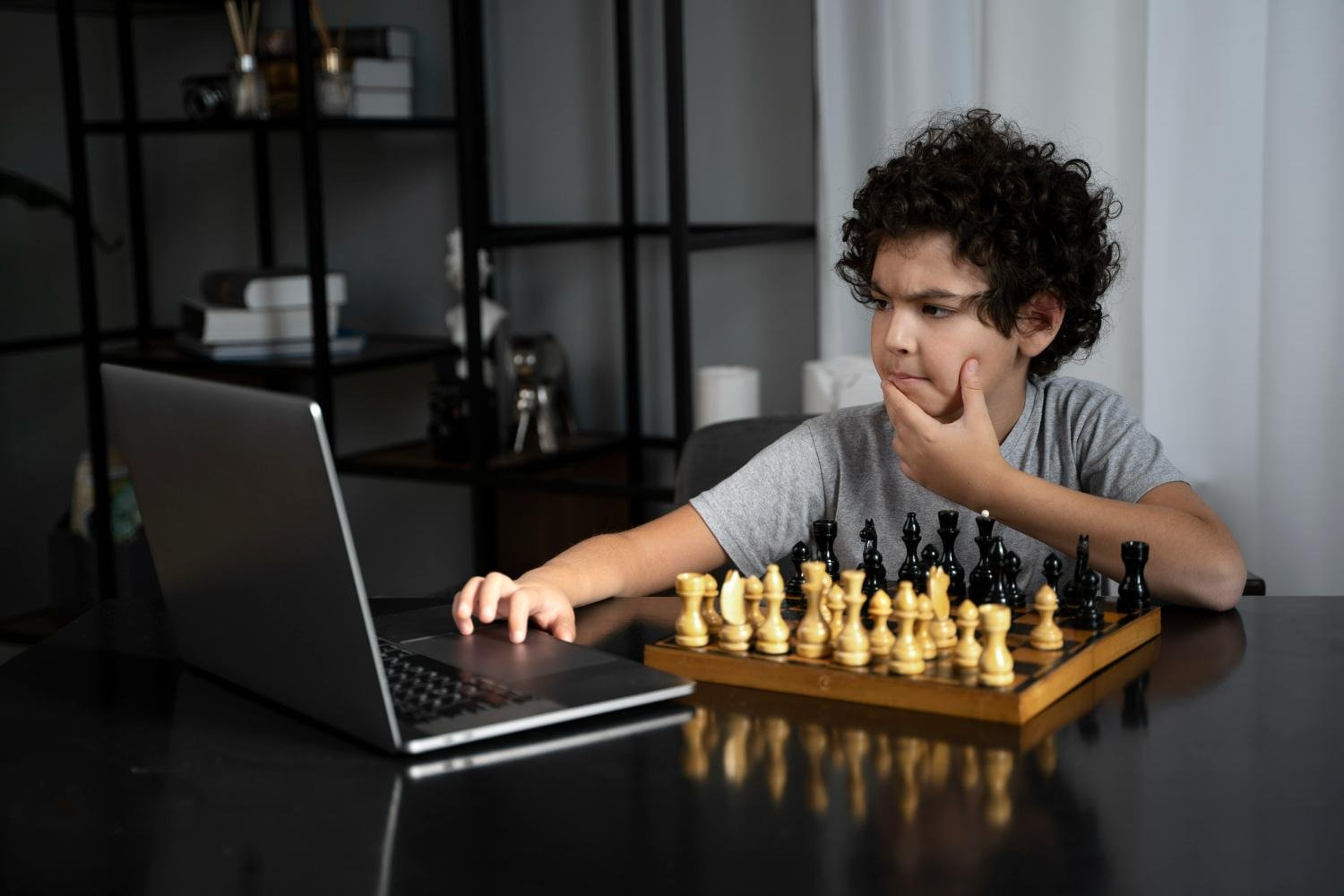
Chess is 99% tactics. You can play a brilliant strategic game for 39 moves, but if you miss a simple knight fork on move 40, you lose. Dedicate at least 30 minutes every single day to solving puzzles. This keeps your board vision razor-sharp.
Review Endgames
Many amateur games are decided in the endgame. Brush up on your basic checkmates, King and Pawn opposition, and the Philidor and Lucena positions in Rook endgames. Knowing these by heart will save you massive amounts of time on the clock when the pressure is highest.
Analyze Your Previous Games
You cannot fix a mistake if you do not know you are making it. Sit down with a coach or use a chess engine to review your recent losses. Do you consistently lose material in the middlegame? Do you mismanage your time? Identifying your personal weaknesses is a crucial part of learning how to prepare for chess tournaments.
Play Long Time-Control Games
If your tournament features games that are 60 minutes plus a 30-second increment, playing 3-minute blitz games online will ruin your sense of danger. You must practice playing long games. This builds the discipline required to sit on your hands and calculate deeply before touching a piece.
Improve Time Management
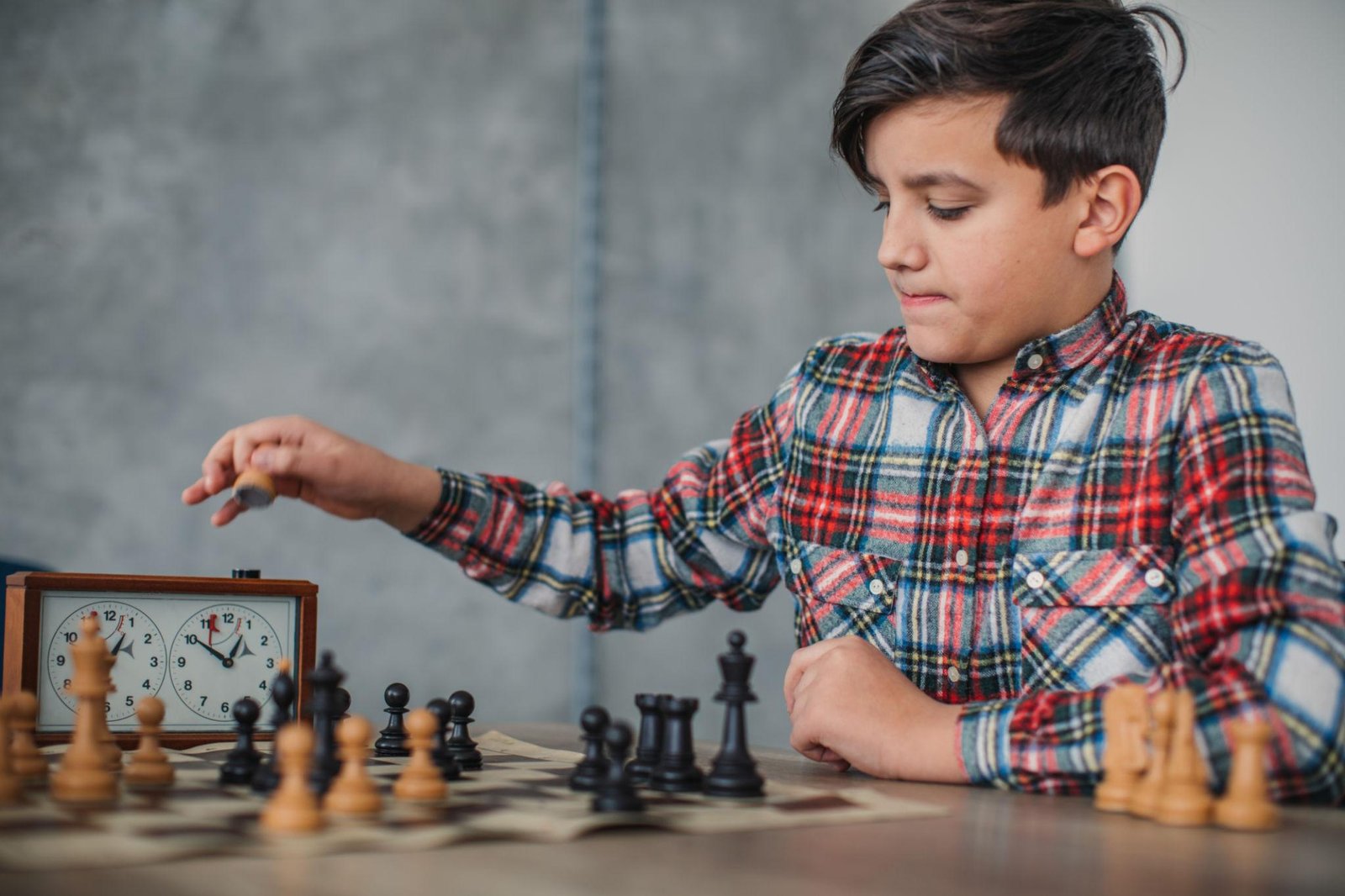
Time is a piece on the board. One of the most vital chess tournament tips is learning when to think and when to move quickly. Do not spend 20 minutes calculating in a known opening position, and do not blitz out moves in a complex middlegame. Practice pacing yourself during your mock games.
Physical Preparation Before a Chess Tournament
Chess is a sport. Your brain consumes a massive amount of energy during a four-hour game. If your body is exhausted, your calculation will fail.
- Proper Sleep: Aim for 8 to 9 hours of quality sleep for at least three nights before the tournament. You cannot "catch up" on sleep the night before.
- Healthy Meals: Avoid heavy, carbohydrate-loaded lunches during the tournament, as they cause a sudden energy crash (food coma) right when you need to focus. Opt for light proteins, nuts, and fruits.
- Hydration: Dehydration leads to brain fog and headaches. Keep a water bottle at the board and take small sips regularly.
- Light Exercise: Go for a brisk walk between rounds to get the blood flowing back to your brain and clear your mind of the previous game.
- Avoiding Last-Minute Stress: Do not scramble to pack your bags on Sunday morning. Have everything ready so your morning is peaceful and focused.
Mental Preparation for Competitive Chess
The board is only half the battle; the other half is in your head. Competitive Chess Training involves building psychological resilience. Even Grandmasters make mistakes, but what separates a champion from an amateur is how they react to those mistakes.
Confidence is built through preparation. When you sit at the board, trust the hours of work you have put in. If you find yourself in a bad position, stay calm, breathe deeply, and look for the most stubborn defensive resources. Never resign prematurely. Furthermore, you must learn to let go of previous games. If you lose Round 1, you cannot carry that anger into Round 2.
For younger players, parents play a huge role in mental preparation. Discover how platforms like Learn Chess Online for Kids help children develop emotional control and sportsmanship.
Tournament Day Checklist
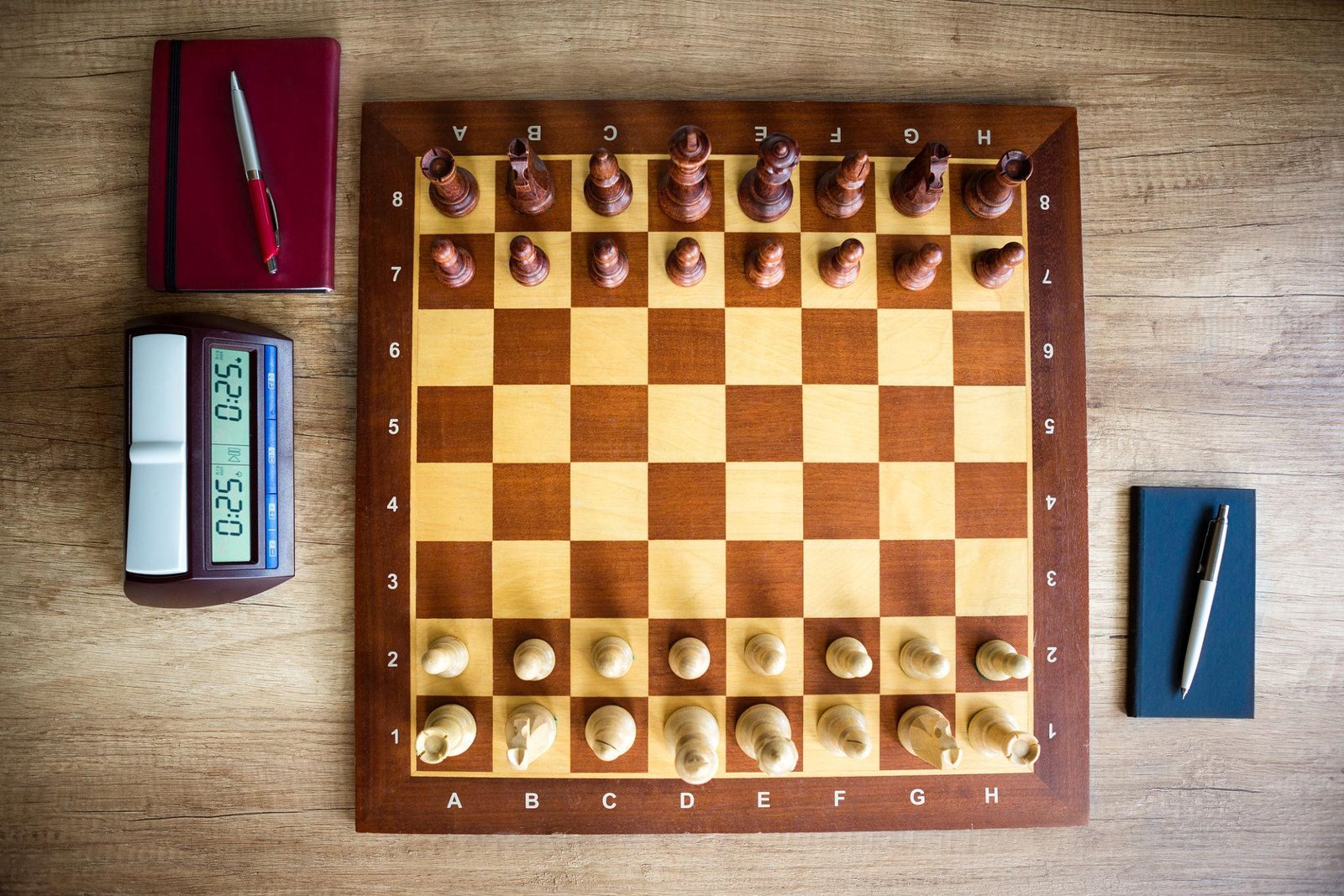
Nothing spikes anxiety faster than arriving at the venue and realizing you forgot your scoresheet or ID card. Print this table out and check it the night before.
| Item | Why You Need It |
|---|---|
| Chess Set & Clock | Many local tournaments require you to bring your own tournament-standard board, pieces, and digital clock. |
| Scoresheets & Pens | You must record your moves. Bring at least two reliable pens (one might run out of ink). |
| Water Bottle | Essential for staying hydrated during long calculations. |
| Healthy Snacks | Dark chocolate, bananas, or almonds to keep your energy up during 4-hour games. |
| ID Card & Registration | Your FIDE ID, national federation card, or tournament registration receipt for verification. |
| Light Jacket | Tournament halls with aggressive air conditioning can be freezing. Stay comfortable. |
Good Preparation vs Poor Preparation
To truly understand how to prepare for chess tournaments, you must recognize the stark contrast between a prepared player and an unprepared one.
| Good Preparation | Poor Preparation |
|---|---|
| Plays long practice games weekly. | Only plays 3-minute blitz games online. |
| Sticks to a trusted opening repertoire. | Tries a brand-new opening they saw on YouTube yesterday. |
| Sleeps 8 hours the night before. | Stays up until 3 AM cramming tactical variations. |
| Takes deep breaths and manages time. | Plays instantly, gets anxious, and blunders pieces. |
| Reviews mistakes with a coach calmly. | Gets angry and refuses to analyze lost games. |
Common Tournament Mistakes to Avoid
As an experienced coach, I have seen players ruin their own chances before the opponent even makes a threat. Avoid these critical errors:
- Playing too fast: If you finish a 90-minute game with 85 minutes left on your clock, you did not use your time. You rushed.
- Ignoring time management: Conversely, spending 45 minutes on move 8 will leave you with no time to navigate complex endgames.
- Changing openings at the last minute: Trust your preparation. Do not switch to the Sicilian Defense if you have played the Caro-Kann all year.
- Skipping breakfast: Your brain needs fuel. Eat a balanced meal before heading to the hall.
- Losing confidence after one loss: A tournament is a marathon. A loss in Round 2 means nothing if you win the next four rounds. Reset and refocus.
How Professional Coaching Improves Tournament Results
You can read books and watch videos, but nothing replaces the sharp, objective eye of a professional coach. A FIDE-level instructor understands exactly how to prepare for chess tournaments because they have lived through the pressure themselves.
A coach provides personalized preparation, identifying flaws in your game that engines cannot explain. They conduct game analysis sessions that turn painful losses into profound learning moments. Through mock tournaments, coaches simulate the exact environment, rules, and pressures of competitive play. They refine your opening preparation, ensure your performance is tracked over time, and act as a sports psychologist to keep you mentally grounded.
To understand the profound impact of structured coaching on young minds, read more about Online Chess Training for Children and how it builds confident thinkers.
Why Choose Brainiac Chess Academy?
At Brainiac Chess Academy, we do not just teach students how to move the pieces; we build resilient, tournament-ready athletes. Our academy is renowned for its elite Tournament Preparation Programs, designed specifically for players who want to compete at the district, state, and national levels.
Led by Experienced Tournament Coaches, we offer both Online & Offline Coaching tailored to your specific needs. Our Personalized Training Plans ensure that whether you are struggling with endgames or opening traps, you get the targeted help you need. With Small Batch Sizes, Regular Practice Games, and deep Game Analysis Sessions, our students learn exactly how to handle the pressure of the clock.
We offer Flexible Timings to accommodate busy academic schedules. For parents and students based in Maharashtra, our physical academy in Sector 7, Janata Market, Vashi, Navi Mumbai provides the perfect environment for focused learning, while our digital platforms serve dedicated students globally.
Book Your Free Demo Class
Preparing for your first or next chess tournament?
Brainiac Chess Academy offers structured coaching, tournament-focused training, personalized feedback, and regular practice games to help students compete with unmatched confidence.
📞 WhatsApp / Call: +91 9324829329
👉 Book Your Free Demo Right Now
Frequently Asked Questions
How should beginners prepare for chess tournaments?
How many hours should I practice?
What should I carry to a tournament?
How do I overcome tournament nervousness?
What should I eat before playing?
Should I change openings before a tournament?
Are online tournaments good practice?
Is professional coaching necessary?
Conclusion
Stepping into a tournament hall should be an exciting experience, not a terrifying one. Knowing exactly how to prepare for chess tournaments removes the uncertainty and allows you to focus purely on playing brilliant moves. By establishing a solid weekly training routine, mastering your time management, prioritizing physical health, and bringing the right equipment, you set yourself up for absolute success.
Remember, true progress requires consistency. Do not wait until three days before the championship to start studying your endgames. Build your habits now, review your mistakes honestly, and seek guidance from those who have navigated the competitive landscape before you. If you want to explore how structured, expert guidance shapes young champions, check out our guide on Kids Chess Lessons Online.
If you are serious about improving your competitive results, Brainiac Chess Academy is ready to help you unlock your full potential. Let us build your confidence, refine your strategy, and prepare you to conquer the chessboard.
Stop guessing your way through tournaments. Take action today and let our expert coaches guide your preparation!