Online Chess Classes in Australia: Learn with Expert Coaches
A practical guide for Australian parents and beginners looking for structured, live online chess coaching that fits around school, sports, and family life.
Finding quality extracurricular activities for children in Australia often comes down to timing, location, and balance. Between school commitments, weekend sports, and family routines, driving across town for specialized tuition isn't always practical—especially for families living outside major hubs like Sydney or Melbourne, or those managing busy schedules in regional areas. When a child shows a genuine interest in strategy and board games, parents naturally want to support that curiosity with structured learning, but local options may be limited or physically out of reach.
This is where online chess classes in Australia provide a flexible, highly effective solution. Live digital coaching allows students from Perth to Brisbane to connect directly with experienced coaches, learn step-by-step strategy, and participate in interactive games from the comfort of their home study desk. Rather than relying on passive screen time or unstructured apps, children receive live guidance tailored to their current skill level.
Quick Answer: Are online chess classes effective for Australian kids and beginners?
Yes, live online chess classes are highly effective when delivered through interactive digital boards and real-time coaching. They combine structured lessons, game analysis, and guided practice into flexible time slots. This allows students across different Australian time zones to access dedicated instruction without extra travel time or rigid location constraints.
Article Summary: This guide explains how online chess coaching works for Australian learners, comparing live instruction against self-study apps. It covers core skill progression for children, practical selection criteria for parents, time zone considerations, and how structured digital lessons help build focus and tactical thinking step by step.
What Are Online Chess Classes in Australia?
Online chess classes are live, interactive training sessions conducted over modern video conferencing platforms and shared digital chessboards. Unlike recorded video courses or simple chess apps, a live online class connects a student directly with a chess coach who monitors every move, points out tactical opportunities, and corrects mistakes as they happen.
In a standard live session, students can expect:
- Interactive Digital Boards: Both coach and student interact on a shared digital board, making piece movements, arrows, and highlighted squares visible instantly.
- Real-Time Communication: Students can ask questions freely, explain their reasoning behind a move, and receive immediate coaching feedback.
- Guided Problem Solving: Lessons focus on tactical puzzles appropriate for the student's level, helping them recognize patterns through active practice.
- Post-Game Analysis: Students play practice games where the coach reviews key decisions, demonstrating better alternative moves.
- Structured Homework & Practice: Targeted exercises are assigned between classes to reinforce concepts learned during the live session.
Are Online Chess Classes Good for Kids in Australia?
For most families balancing school hours, swimming lessons, and weekend sport, adding another physical commute is tough. Online learning opens up dedicated coaching without adding stress to weekday afternoons. Children learn comfortably from home, using the devices they are already familiar with.
One major advantage for Australian students is access. Whether living in central Sydney, regional Queensland, or Western Australia, online coaching removes geographic barriers. Children can join structured group batches or individual lessons without relying on local club availability.
Learning chess online also introduces children to healthy digital interaction. Instead of passively consuming videos, they actively engage in reasoning, spatial planning, and decision-making. That said, online learning may not suit every single child—very young children (under 5 years) who struggle with basic screen focus or mouse navigation often benefit more from physical board play before transitioning to digital lessons.
What Do Children Learn in Online Chess Classes?
A structured chess program takes a child systematically from basic piece movement to deep strategic understanding. Rather than memorizing endless lists of moves, lessons focus on understanding why specific moves work.
Chess Rules and Board Basics
Beginners start by learning file and rank coordinates, how each piece moves, special rules like castling and en passant, and the precise conditions for checkmate versus stalemate. Building a solid foundation early prevents confusion later.
Opening Principles
Instead of forcing young children to memorize complex opening lines, coaches teach core concepts: control the center of the board, develop your minor pieces (knights and bishops), and protect your king early. This helps young players navigate the start of any game confidently.
Tactical Thinking
Tactics are short move sequences that gain an immediate advantage. Children learn to recognize fundamental tactical patterns such as forks, pins, skewers, and discovered attacks. Recognizing these visual patterns is key to turning defensive situations into winning opportunities.
Strategy and Planning
Strategy moves beyond single-turn tactics to long-term planning. Students learn to evaluate piece safety, identify weak squares in an opponent's position, and construct simple multi-step plans. Understanding these concepts is closely linked to how chess and problem-solving skills develop together over time.
Endgame Skills
Many beginner games flounder at the end when few pieces remain. Online coaching ensures students know how to convert an advantage, use their king effectively, promote pawns, and execute clean checkmates with basic piece combinations (such as King and Queen vs. King).
Calculation and Decision-Making
Before making a move, players are taught to ask: "If I move here, what can my opponent do?" This deliberate habit trains calculation skills and encourages thoughtful decision-making over hasty reactions.
Game Analysis
Reviewing completed games is one of the fastest ways to improve. Coaches walk through a student's recent games, highlighting great tactical saves alongside missed opportunities, helping players learn directly from their own experiences.
Online Chess Coaching vs. Other Learning Methods
Parents often wonder whether paid live coaching is necessary when free videos and automated apps exist. Here is a balanced look at how different learning options compare:
| Method | Personal Feedback | Structure | Flexibility | Best Suited For |
|---|---|---|---|---|
| Live Online Coaching | High (Immediate corrections) | Structured curriculum | High (Select home timings) | Children & beginners needing guidance |
| YouTube / Free Videos | None (Passive watching) | Unstructured / Random | Very High | Casual players looking for quick tips |
| Chess Apps & Bots | Automated (Engine evaluation) | Level-based puzzles | Very High | Solo puzzle practice between classes |
| Local In-Person Clubs | High | High | Low (Fixed travel & schedule) | Students with nearby active clubs |
Who Can Join Online Chess Classes?
Online chess programs are flexible enough to accommodate various age groups and experience levels:
- Complete Beginners: Children or adults who have never touched a piece learn step-by-step without feeling overwhelmed.
- Young Children (Ages 5–7): Focuses on interactive piece stories, simple captures, and short 30-to-45-minute sessions to maintain attention.
- School-Aged Students (Ages 8–15): Ideal for building tactical depth, opening knowledge, and analytical habits that complement school study.
- Intermediate Players: Designed for learners who know the rules but want to stop making simple blunders and understand positional strategy.
- Adult Learners: Adults looking to take up chess as a mentally engaging hobby benefit from flexible evening slots.
How to Choose the Right Online Chess Academy in Australia
When selecting an online academy for your family, reviewing a few core details helps ensure a rewarding experience. Understanding what parents should know before enrolling a child in chess will save time and keep your child motivated.
- Coach Patience and Communication: Teaching children requires patience and encouragement. A great coach knows how to keep lessons engaging without putting unnecessary pressure on young learners.
- Small Group Sizes: Ensure group classes keep student counts low (ideally under 6–8 students) so every child gets to speak, answer questions, and receive individual attention.
- Structured Step-by-Step Curriculum: Ask if the academy follows a clear syllabus progressing from beginner to advanced stages, rather than running random, disconnected lessons.
- Trial or Demo Lesson: Always attend a trial session first. This allows you to evaluate how the coach interacts with your child and whether the digital platform is comfortable to use.
- Time Zone Compatibility: Because Australia spans multiple time zones (AEST, ACST, AWST, and daylight saving variations), ensure the academy provides batch times that align with your local afternoon or weekend routine.
💡 Expert Tip for Parents
Don't judge an introductory chess class by how advanced the openings look. For young beginners, the clarity of explanations, coach enthusiasm, and how comfortably a child asks questions matter far more than complex theory. Confidence comes first; theory follows naturally.
Benefits of Learning Chess Online from Australia
Beyond convenience, online chess coaching fits neatly into the routines of modern Australian households:
- Zero Travel Time: Eliminates commute stress during peak after-school hours.
- Equal Access for Regional Students: Families living in non-metropolitan regions gain access to dedicated coaches without traveling long distances.
- Easier Consistency: Being able to log in from home makes it much easier to keep attendance steady around school projects and holidays.
- Digital Record of Progress: Online platforms store played games automatically, making it easy to review progress over time.
- Encourages Calm Focus: Learning to think independently at a quiet home study setup can help foster calm concentration. Parents often notice how chess builds discipline and patience over regular practice sessions.
Online Chess Classes for Kids Australia: What Parents Should Expect
If your child is starting online lessons for the first time, establishing healthy expectations keeps the process enjoyable:
In the first few weeks, the priority is building familiarity with piece movements and basic board vision. Children learn how pieces capture, protect one another, and control key squares. Coaches keep explanations brief, moving quickly into interactive puzzles and practice games so children spend more time playing than listening.
Patience is essential. Mistakes, missed captures, and sudden blunders are a completely natural part of the learning journey. A positive coaching environment emphasizes effort, sportsmanship, and learning from mistakes over winning every single game.
How Much Time Should a Child Spend Learning Chess?
Practice frequency should always match a child's age, baseline interest, and overall routine. There is no universal requirement, but practical guidelines help keep learning balanced:
- Young Beginners (Ages 5–7): 1 live class per week (30–45 mins) plus 15–20 minutes of casual board play or basic puzzles at home.
- Intermediate Learners (Ages 8–12): 1–2 live classes per week alongside 20–30 minutes of puzzle solving or online practice 2–3 times a week.
- Tournament-Oriented Students: 2 live classes per week, detailed game analysis, and structured practice schedules.
Keeping practice sessions short and consistent prevents burnout and helps children stay motivated while learning chess over the long run.
Pros and Cons of Online Chess Coaching
To help you evaluate if digital coaching is the right fit for your household, here is a quick summary of the main advantages and considerations:
PROS
- High scheduling flexibility around school and sports
- No travel or commuting required
- Access to specialized coaching regardless of location
- Instant game recording and digital analysis tools
- Comfortable, quiet learning environment at home
CONS
- Requires a stable internet connection and desktop/tablet
- Younger kids may need initial help logging in
- Adds to total daily screen time
- Lacks physical piece tactile feedback during class
Why Brainiac Chess Academy Can Be an Option for Australian Learners
Brainiac Chess Academy is an established chess training academy based in Sector 7, Janata Market, Vashi, Navi Mumbai, Maharashtra, India. While operating physically in India, the academy specializes in providing structured online chess coaching for international students, including learners across Australia.
For Australian families looking for structured guidance, Brainiac Chess Academy offers live interactive sessions designed for beginners and developing players. The focus remains on step-by-step progress, interactive puzzle solving, and supportive coaching that helps young learners build confidence at their own pace. Convenient batch timings are scheduled to match Australian afternoon and evening routines smoothly.
How to Get Started with Online Chess Classes in Australia
Getting started with live online chess training is straightforward:
- Assess Current Level: Determine whether your child is a complete beginner or has basic experience on the board.
- Check Batch Timings: Review available session slots to select a time that fits comfortably around your family's daily routine.
- Book a Demo Class: Participate in a live trial session to experience the coaching style and digital board layout.
- Set Up a Quiet Study Corner: Ensure your child has a stable internet connection and a comfortable workspace free from background distractions.
- Begin Regular Practice: Start attending weekly live lessons and complete short practice activities between sessions.
Ready to Start Learning Chess?
If you are looking for structured online chess coaching for your child or yourself, explore our interactive programs and experience a live session firsthand.
WhatsApp / Call: +91 9324829329 | Web: brainiac-chess.com
Frequently Asked Questions About Online Chess Classes in Australia
Are online chess classes suitable for children in Australia? +
Yes, online chess classes are well-suited for Australian children. Live digital coaching allows kids to learn interactively from home, fitting lessons easily around school and sports commitments. The visual nature of digital chess boards keeps young learners engaged while building strategic focus step by step.
Can complete beginners learn chess online? +
Absolutely. Beginners do not need prior experience. Structured online chess lessons for beginners start with basic board layout, piece movements, and core rules, gradually introducing simple tactics and checkmate patterns as confidence grows.
How do live online chess classes work? +
Classes take place over video calls integrated with digital chess boards. The coach presents interactive puzzles, explains tactical concepts, and observes students during live practice games to provide real-time feedback and move corrections.
What should parents look for in online chess coaching? +
Parents should evaluate coach patience, small class sizes, clear structured syllabus progression, time zone compatibility, and the availability of a demo session to ensure the coaching style suits their child.
Can Australian students join an overseas chess academy online? +
Yes. Online education allows Australian learners to enrol in overseas academies. As long as class timings align with Australian time zones and sessions are conducted clearly in English, students receive high-quality, flexible coaching regardless of location.
Are live online chess classes better than chess apps? +
Apps are great for solo puzzle practice, but live coaching provides personal interaction, tailored explanations, game reviews, and emotional encouragement that automated apps cannot replicate.
How often should children attend chess classes? +
For most beginners, 1 to 2 weekly live sessions combined with 15–30 minutes of occasional home puzzle practice provides steady progress without causing study burnout.
Can online chess coaching help with tournament preparation? +
Yes. Advanced online training covers clock management, opening preparation, scorekeeping practice, and game reviews according to official rules established by bodies like FIDE, preparing students for over-the-board local competitions.
Final Thoughts on Online Chess Classes in Australia
Learning chess offers children a rewarding blend of strategic thinking, discipline, and creative problem solving. Choosing online chess classes in Australia allows families to access structured, engaging coaching without adding travel stress to their weekly routines.
Whether your child is taking their very first steps on the board or looking to refine their tactical skills, live digital coaching offers an ideal balance of guidance and convenience. Take time to explore different learning options, attend a trial class, and find a program that helps your young learner build confidence and enjoy the game.
Recent Posts
- Online Chess Classes vs Self-Learning for Kids
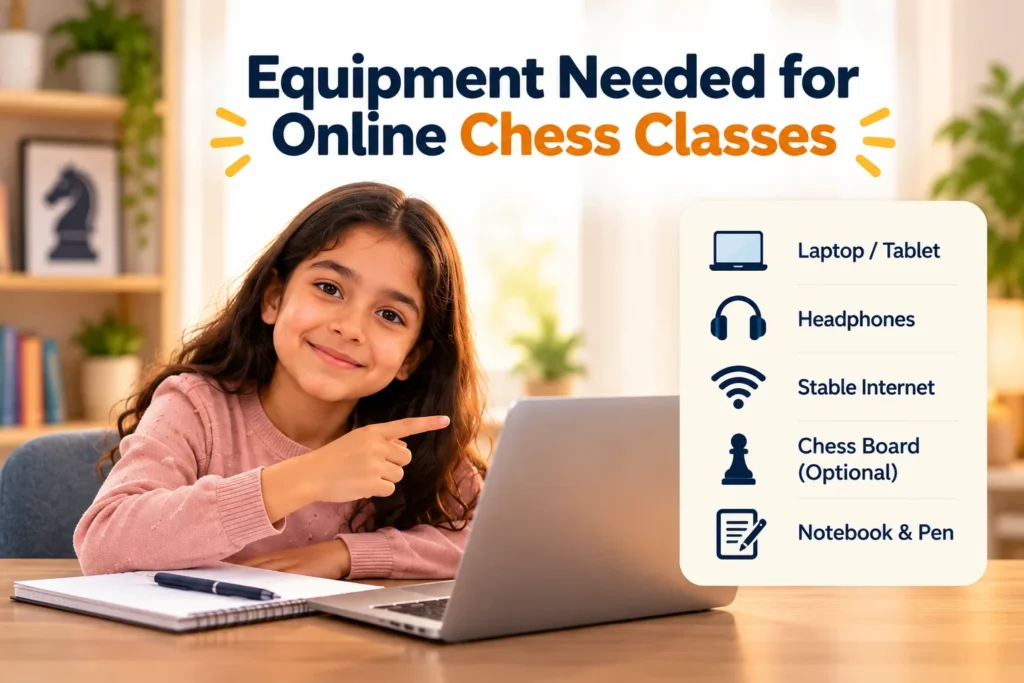
- Equipment Needed for Online Chess Classes
- Online Chess Classes for Homeschoolers
- Online Chess Classes for Shy Kids: A Parent’s Guide
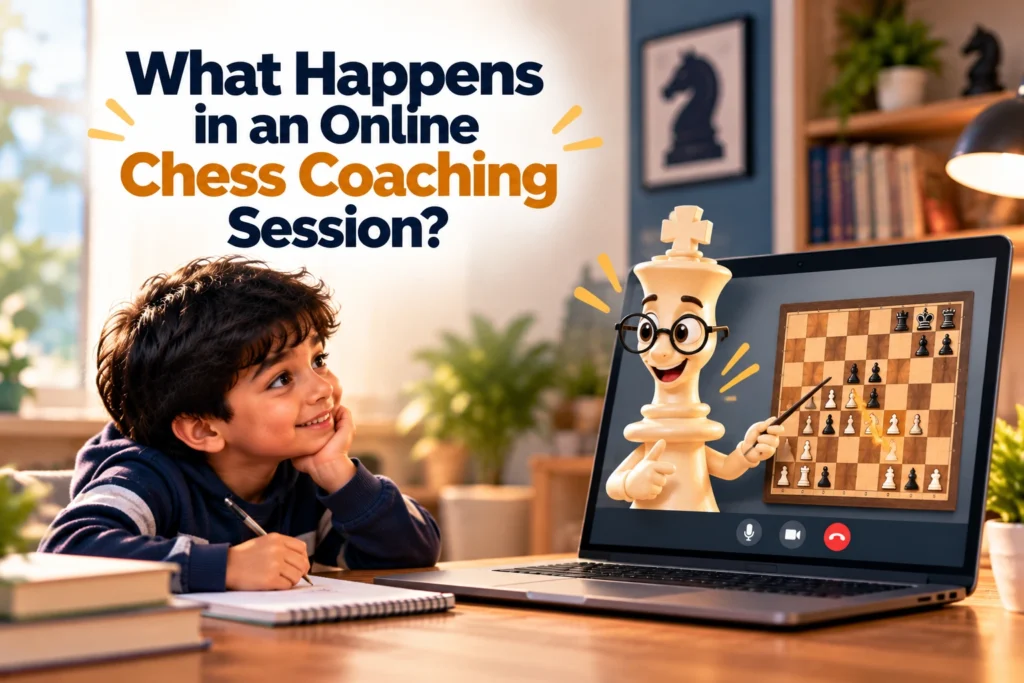
- What Happens in an Online Chess Coaching Session?
- Online Chess Lessons Cost: A Parent’s Guide
- What Is a Hanging Piece in Chess?
- What Is a Blunder in Chess?
- What Is a Draw in Chess?
- What Is a Stalemate in Chess?
- How Does Castling Work in Chess?
- What Is Checkmate in Chess? A 30-Second Lesson
- What Is Check in Chess? A 30-Second Chess Lesson
- Online Chess Classes After School for Kids Living Abroad

- What Should Parents Ask Before Joining Online Chess Classes?
- How Children Abroad Can Learn Chess Online From Home?
- How Much Practice Does a Child Need for Online Chess Training?
- How to Schedule Online Chess Lessons Across Time Zones
- Best Time for Online Chess Classes for Kids in Different Countries
- Can Kids Learn Chess Online from a Coach in Another Country?